

Guide de voyage général : Le pays des mythes et de la beauté sauvage
La Roumanie est une destination qui éveille l’imagination comme peu d’autres. C'est la terre du comte Dracula, mais le mythe n'est que la porte d'entrée vers un pays d'une beauté et d'une diversité surprenantes. Ici, les châteaux gothiques dominent les villes médiévales de conte de fées, les monastères peints brillent comme des joyaux dans les vallées verdoyantes et les Carpates cachent certaines des dernières forêts vierges d'Europe. De la grandeur de Bucarest à la sérénité du delta du Danube et aux anciennes traditions du Maramureș, la Roumanie offre un voyage dans le temps, une aventure dans la nature et une immersion dans une culture latine vibrante et accueillante.
Capital
Bucarest
Population
19.760.314
Langue
Roumain
Sites du patrimoine de l'UNESCO
9
Indices de voyage
Scores basés sur des données réelles de 0 à 100
Le meilleur de Roumanie
Expériences uniques
Conduire sur l'autoroute Transfăgărășan
Considérée comme l'une des routes les plus spectaculaires au monde, la Transfăgărășan serpente à travers les Carpates, offrant des vues vertigineuses, des virages en épingle à cheveux et de superbes paysages alpins. Construit pour des raisons militaires, c'est aujourd'hui une aventure inoubliable pour tout conducteur (ouvert uniquement en été).
Explorez le château de Dracula
Visitez le château de Bran, perché sur un rocher à la frontière de la Transylvanie et de la Valachie. Bien que son lien avec Vlad l'Empaleur soit ténu, sa silhouette imposante, ses tours et ses passages secrets incarnent parfaitement la légende de Dracula créée par Bram Stoker.
Souriez à la mort dans le cimetière joyeux
Dans le village de Săpânța, dans le Maramureș, se trouve un cimetière unique au monde. Chaque tombe est marquée par une croix en bois aux couleurs vives, avec une épitaphe poétique et souvent humoristique relatant la vie et les circonstances du décès de la personne enterrée. C'est une célébration émouvante de la vie.
Décrypter les fresques des monastères peints
Visiter les monastères de Bucovine (comme Voroneț, Moldovița ou Sucevița), c'est comme lire une Bible illustrée sur les murs extérieurs. Ses impressionnantes fresques, peintes aux XVe et XVIe siècles pour enseigner aux paysans analphabètes, ont survécu aux éléments et sont inscrites au patrimoine mondial.
Né dans une cité médiévale
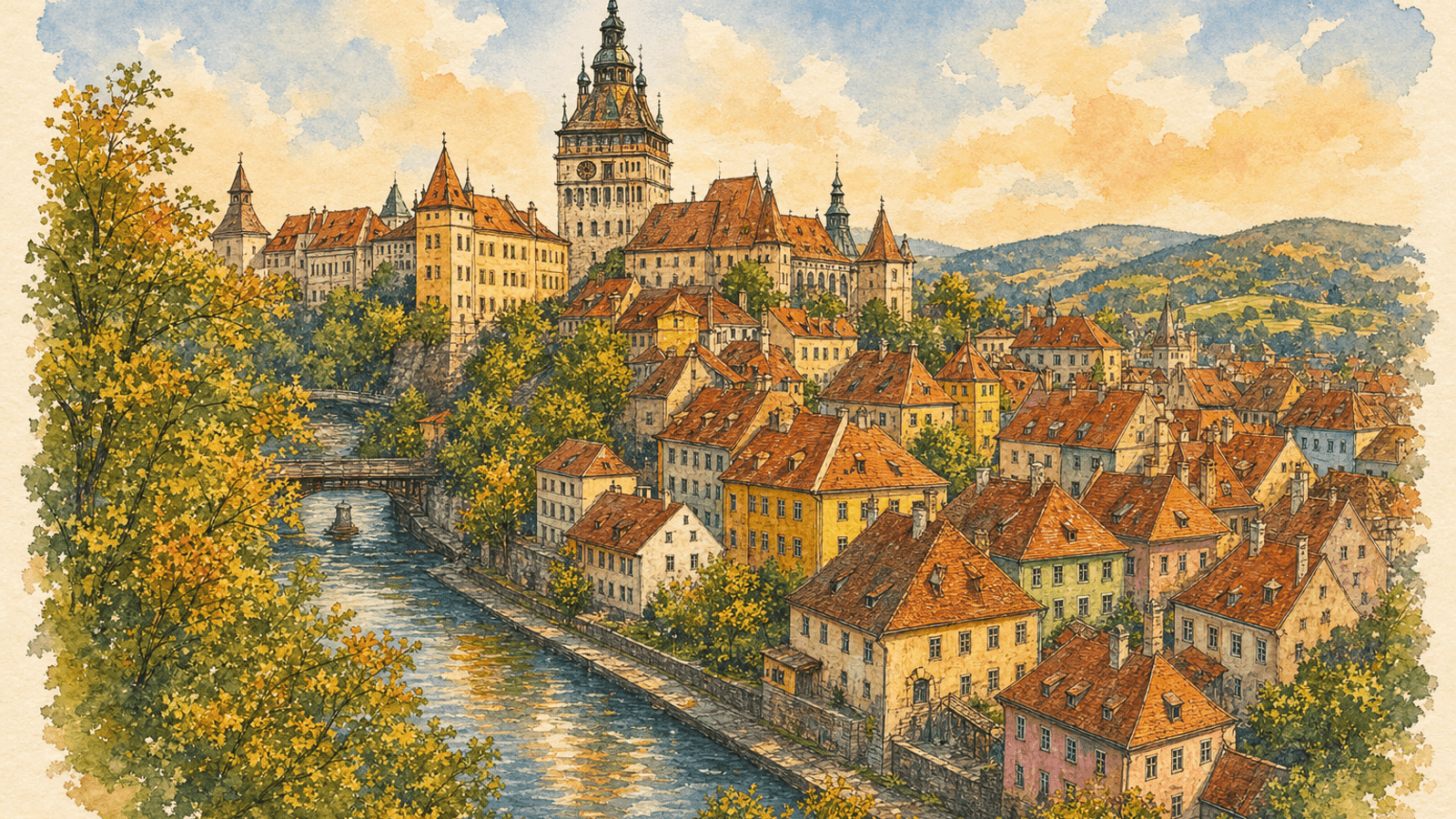
Promenez-vous dans les rues pavées de Sighișoara, la citadelle médiévale habitée la mieux conservée d'Europe. Escalader sa Tour de l'Horloge, explorer ses maisons colorées et visiter la maison où serait né Vlad l'Empaleur est un véritable voyage dans le temps.
Repérez les ours dans leur habitat naturel
Les Carpates roumaines abritent la plus grande population d'ours bruns d'Europe. Faire une excursion guidée dans un observatoire des forêts de Transylvanie au coucher du soleil offre de grandes chances de voir ces animaux majestueux dans leur environnement naturel. C'est une expérience passionnante et respectueuse.
Un festin de saveurs de grand-mère
La cuisine roumaine est l'âme de son hospitalité. C'est une gastronomie forte, savoureuse et généreuse, avec un riche mélange d'influences ottomanes, austro-Hongriees et balkaniques sur une base latine. La nourriture faite maison (« mâncare ca la mama acasă »), cuite lentement, est la norme, et les ingrédients frais de la ferme sont essentiels.
Ciorbă : le premier plat sacré
Tout repas roumain digne de ce nom commence par une « ciorbă », une soupe aigre. Ils sont traditionnellement aigris avec du « borș » (son de blé fermenté) ou du citron. Il y a de tout : burtă (tripes), perișoare (boulettes de viande), fasole cu afumătură (haricots à la viande fumée)..
Le garde-manger d'hiver (« Chambre »)
La préparation des conserves pour l'hiver est un rituel national. Le « Zacuscă » (une délicieuse pâte de légumes rôtis) et le « murături » (cornichons de toutes sortes, notamment le chou et les cornichons) sont indispensables dans toute maison.
Plats Iconiques
Sarmale
Considéré comme le plat national. Ce sont des rouleaux de chou aigre (choucroute) ou de feuilles de vigne fourrés à la viande hachée, au riz et aux épices, cuits lentement pendant des heures. Ils sont servis avec du « mămăligă » et de la crème sure.
Mamanliga
La version roumaine de la polenta, un aliment de base historiquement associé aux paysans. C'est l'accompagnement parfait du « sarmale » ou de tout ragoût, et est souvent servi avec du fromage et de la crème sure (« mămăligă cu brânză și smântână »).
Mici (ou Mititei)
Petits rouleaux de viande hachée grillés (un mélange de bœuf, d'agneau et de porc), fortement épicés à l'ail et autres herbes. Ils sont la star de tout barbecue et sont servis avec de la moutarde et du pain.
Ciorbă de Burtă
Une soupe aux tripes que beaucoup considèrent comme un délice et le remède définitif contre la gueule de bois. Il est crémeux et servi chaud avec du vinaigre ou de l'ail et du piment.
Vinete Salată
Une salade ou un pâté populaire d'aubergines rôties, pelées et hachées, mélangées à de l'huile et de l'oignon. Il est servi froid et tartiné sur du pain frais.
Boulz
Une boule de 'mămăligă' remplie de 'brânză de burduf' (un fromage de brebis fort), qui est grillée ou cuite au four. C'est un plat pastoral incroyablement savoureux et copieux.
Boissons typiques
Țuică / Palincă
La liqueur nationale. Le « Țuică » est fabriqué exclusivement à partir de prunes, tandis que le « Pălincă » (typique de Transylvanie) peut être fabriqué à partir d'autres fruits. Il est puissant et se sert à l'apéritif.
Vin (Vin)
La Roumanie est l'un des plus grands producteurs de vin au monde, avec une tradition ancienne. Les variétés indigènes telles que Fetească Neagră (rouge) et Fetească Albă (blanche) sont excellentes.
Afinată / Vișinată
Liqueurs maison très appréciées. L'Afinată est préparée avec des myrtilles et la Vişinată avec des cerises, macérées dans du cognac et du sucre.
Socata
Une boisson traditionnelle et rafraîchissante issue de la fermentation de fleurs de sureau, de sucre et de citron. C'est la limonade de l'été.
Que voir par thème
La richesse de la Roumanie réside dans ses paysages incroyablement variés et dans ses régions aux identités très fortes. Ensuite, nous vous proposons de découvrir le pays à travers différents thèmes.
Transylvanie : le cœur médiéval
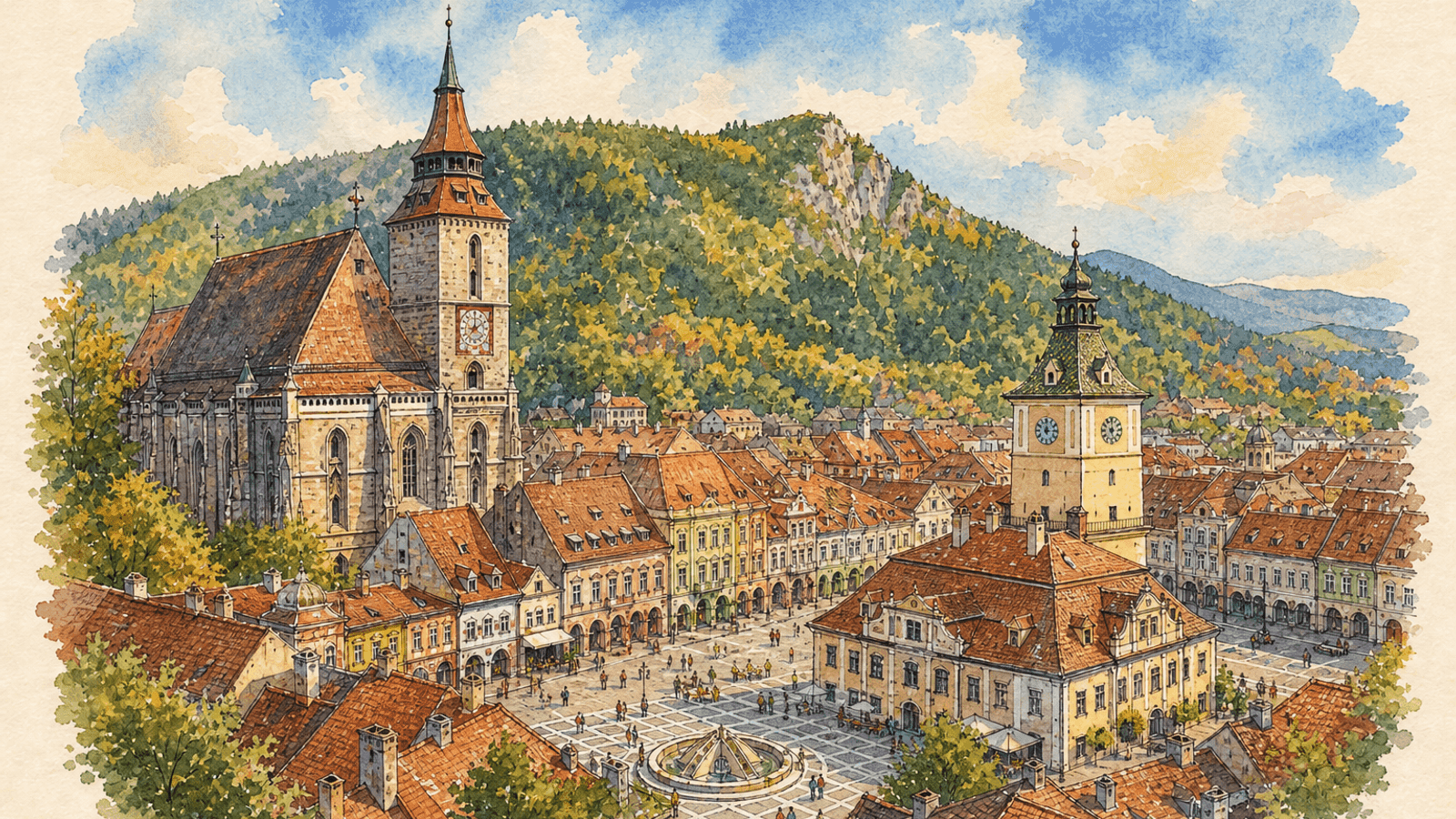
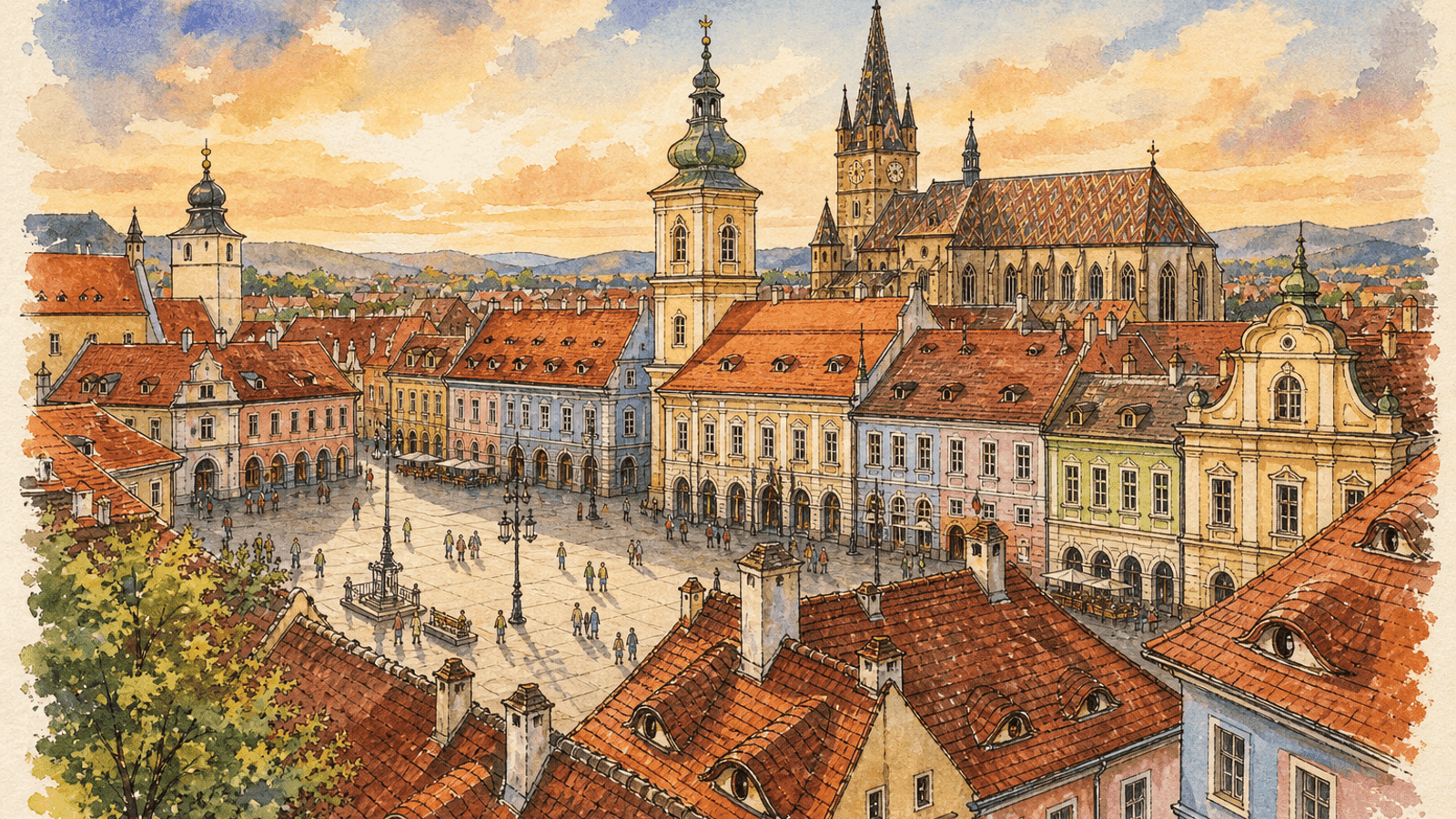
La région la plus célèbre du pays est un trésor de villes médiévales fondées par les Saxons, comme Sighișoara, Brașov et Sibiu. Elle est parsemée d'églises fortifiées et de châteaux légendaires comme Bran ou Corvin.
Bucarest : Capitale des Contrastes
La capitale roumaine est un mélange fascinant d'élégance Belle Époque (pour laquelle elle a été surnommée « Petit Paris »), d'architecture brutaliste communiste et de modernité vibrante. Le Palais du Parlement et la charmante vieille ville sont des incontournables.
Maramureș et Bucovine : Roumanie rurale et spirituelle
Ces régions du nord constituent l’âme traditionnelle du pays. Maramureș séduit par ses églises en bois élaborées et son cimetière joyeux. La Bucovine abrite les monastères peints, un site du patrimoine mondial.
Aventure dans les Carpates
Les montagnes des Carpates traversent le pays en arc de cercle. C'est un paradis pour la randonnée, avec des parcs nationaux comme Retezat ou Piatra Craiului. L'autoroute Transfăgărășan est le moyen le plus spectaculaire de les traverser.
Le delta du Danube et la mer Noire
À son embouchure, le Danube crée un vaste delta, l'une des zones humides les plus importantes au monde et un paradis pour l'observation des oiseaux. La côte voisine de la mer Noire offre des stations balnéaires telles que Mamaia et la ville portuaire historique de Constanța.
Conseils de voyage
Devise
La monnaie officielle est le leu roumain (RON). Bien que la Roumanie soit membre de l'UE, elle n'utilise pas l'euro. Le paiement par carte est répandu dans les villes, mais il est indispensable d'avoir de l'argent sur soi pour les zones rurales.
Transport interne
Les trains sont une bonne option pour parcourir de longues distances entre les grandes villes, même s'ils peuvent être lents. Les bus et minibus («maxitaxi») sont plus efficaces pour les trajets plus courts. La location d'une voiture est la meilleure option pour plus de flexibilité et explorer les zones reculées, mais la qualité des routes peut être variable.
Langue
La langue officielle est le roumain, une langue romane. L'anglais est de plus en plus courant chez les jeunes et dans le secteur du tourisme. Le Hongrie et l'allemand sont également parlés dans certaines régions de Transylvanie.
Conseils
Donner un pourboire est une pratique courante. Dans les restaurants, il est d'usage de laisser environ 10 % de la facture totale, bien que cela ne soit généralement pas inclus dans le billet. Il est également généralement arrondi dans les taxis.
Ce guide n'est qu'une invitation à découvrir un pays plein de surprises, qui va bien au-delà des mythes. La Roumanie est une destination à découvrir sans hâte, pour profiter de sa nature sauvage, de son histoire profonde et, surtout, de la chaleur de ses habitants. Tambour! (Bon voyage !)
Chargement peut-être...
Explore Regions of Roumanie
Discover the most beautiful regions and plan your perfect trip
București-Ilfov
București-Ilfov offers distinctive landscapes, culture and experiences in Roumanie.
Centru
Centru offers distinctive landscapes, culture and experiences in Roumanie.
Nord-Est
Nord-Est offers distinctive landscapes, culture and experiences in Roumanie.
Nord-Vest
Nord-Vest offers distinctive landscapes, culture and experiences in Roumanie.
Avant de partir
Réponses rapides pour planifier votre voyage en toute confiance
- 74Familles
- 71Gastronomie
- 76Sécurité
- 48Abordable
Styles de voyage
Classements liés
 76Villes les plus sûres d’EuropeDestinations où voyager plus sereinement.
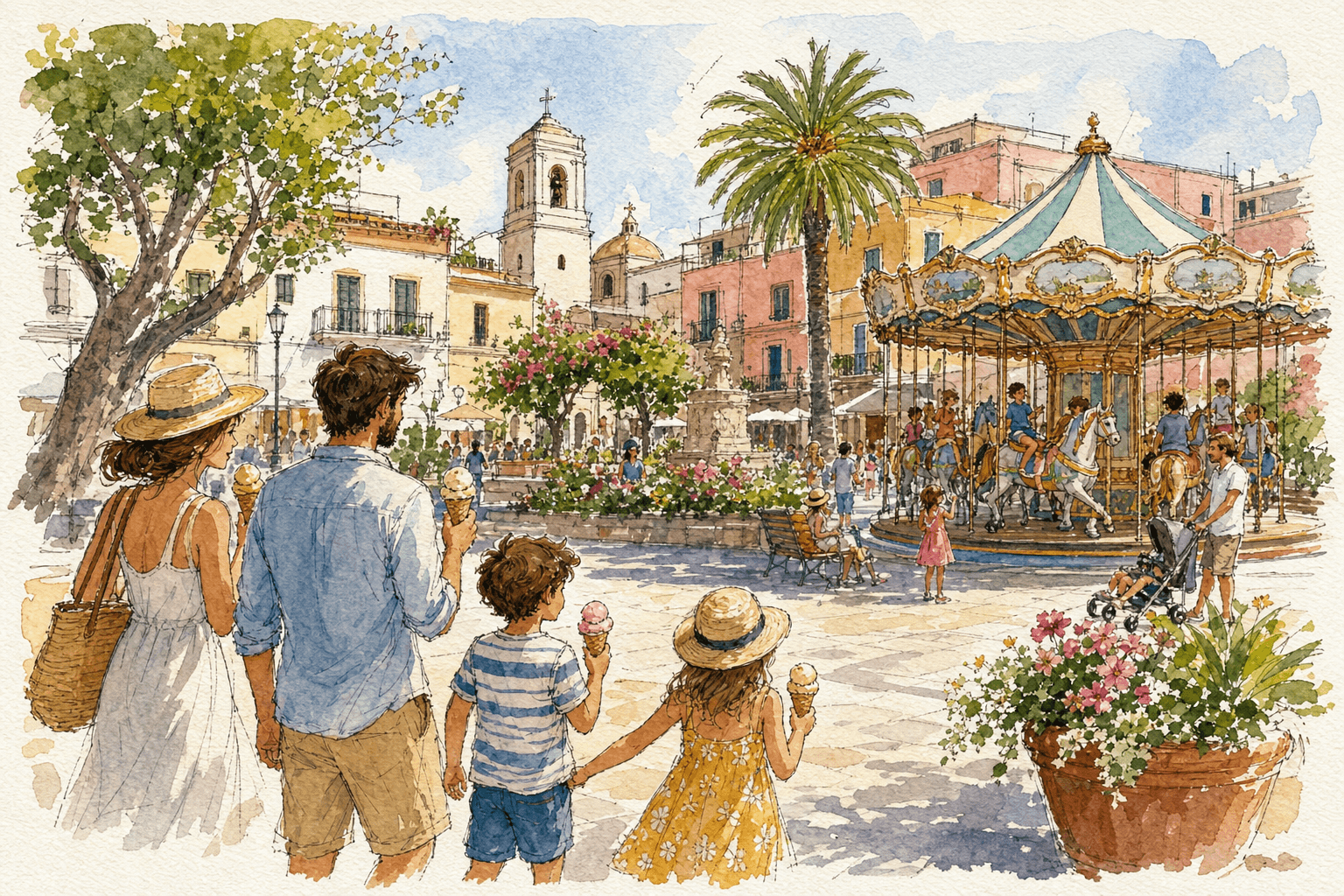
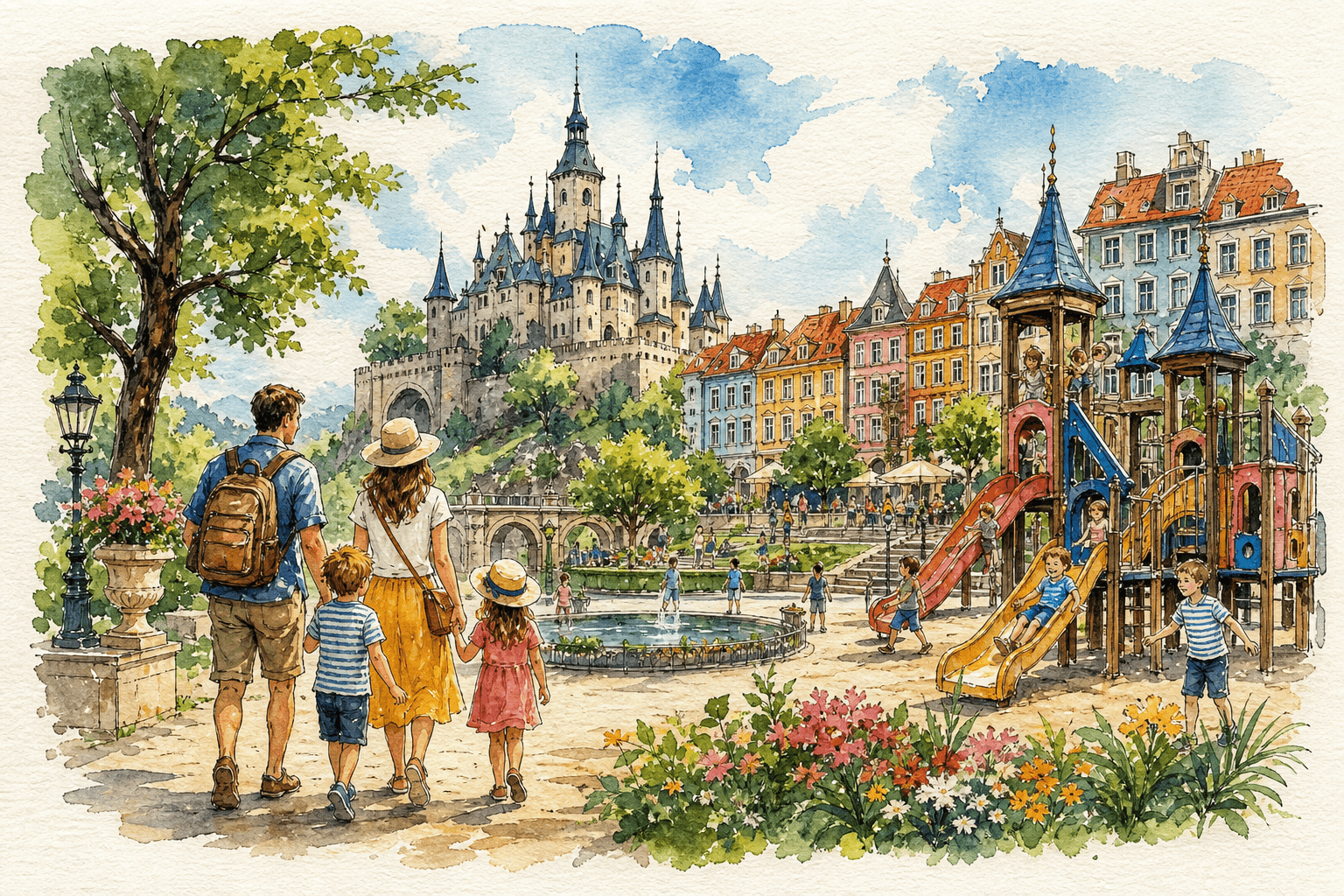 74Meilleures villes d’Europe pour voyager en familleVilles pensées pour les familles : sécurité, rythme et activités enfants.
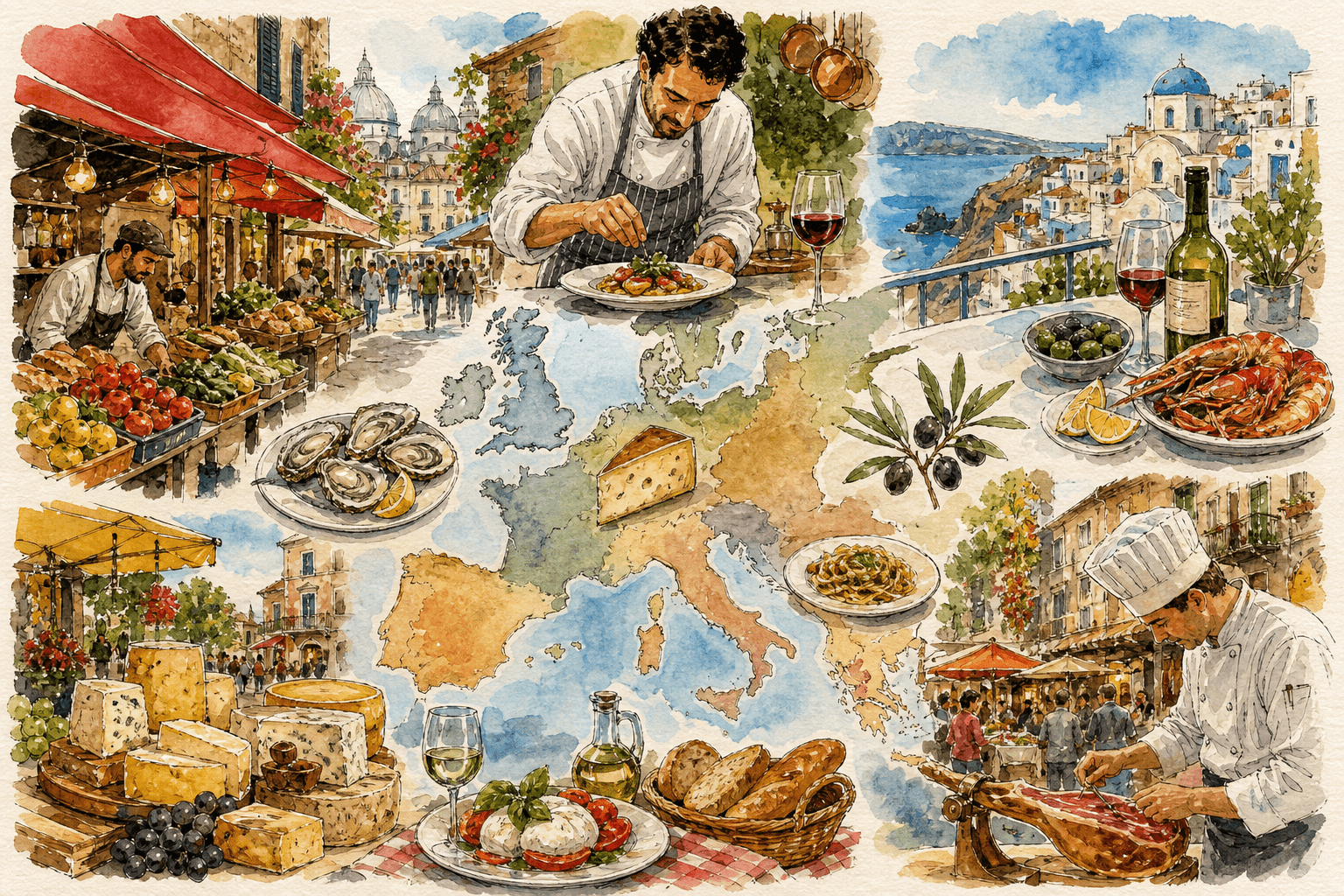 71Meilleures destinations gastronomiques d’EuropeVilles avec la meilleure scène gastronomique d’Europe.
Tout près d'ici
Escapades faciles et day trips pour prolonger votre itinéraire

Collections et routes
- 76Villes les plus sûres d’EuropeDestinations où voyager plus sereinement.
- 74Meilleures villes d’Europe pour voyager en familleVilles pensées pour les familles : sécurité, rythme et activités enfants.
- 71Meilleures destinations gastronomiques d’EuropeVilles avec la meilleure scène gastronomique d’Europe.
 76Voyage en famille
 71Voyage gastronomique
TripPlanner
Créez votre itinéraire parfait
Chargement...
Votre profil de voyageur
Découvrez votre style de voyage
Chargement...