

Guide de voyage général : l'âme vibrante des Balkans
La Serbie est un pays doté d’une énergie débordante, une nation qui est au centre de l’histoire européenne depuis des siècles et qui envisage aujourd’hui l’avenir avec un dynamisme contagieux. Sa capitale, Belgrade, ne dort jamais, avec une vie nocturne légendaire qui coule des cafés du centre-ville jusqu'aux péniches (« splavovi ») de ses rivières. Au-delà de la ville, la Serbie dévoile un paysage de monastères qui murmurent des histoires médiévales, des montagnes sauvages qui cachent des canyons spectaculaires et un Danube majestueux qui sculpte le territoire. Mais le véritable trésor de la Serbie, ce sont ses habitants : passionnés, fiers et propriétaires d'une hospitalité qui transforme chaque visiteur en ami. Préparez-vous à un voyage intense, savoureux et profondément humain.
Capital
Belgrade
Population
7.149.077
Langue
Serbe
Sites du patrimoine de l'UNESCO
5
Indices de voyage
Scores basés sur des données réelles de 0 à 100
Le meilleur de Serbie
Expériences uniques
Vivez la nuit dans un « Splav » à Belgrade
Les « splavovi » sont des clubs et bars flottants amarrés aux rives de la Sava et du Danube. Vivre une soirée dans l'un d'entre eux, avec de la musique allant du folk local (« narodna ») à l'électronique, c'est se plonger dans l'essence de la célèbre vie nocturne de Belgrade. La fête dure jusqu'à l'aube.
Parcourez les portes de fer
Faites une croisière le long du Danube à travers les gorges des Portes de Fer, les plus longues gorges d'Europe. Le voyage offre des vues spectaculaires sur les falaises, l'ancienne Tabula Traiana romaine et l'imposante forteresse de Golubac, qui semble émerger de l'eau.
Visitez la Tour des Crânes à Niš
Une visite à la « Ćele Kula » (Tour des Crânes) est une expérience historique impressionnante. Construit par les Ottomans avec les crânes des rebelles serbes après la bataille de Čegar, c'est un monument macabre et puissant à la lutte pour l'indépendance et à l'esprit de résistance du pays.
Explorez le monde de Kusturica à Drvengrad
Visiter Drvengrad (« la ville en bois »), également connue sous le nom de Küstendorf, c'est entrer dans l'univers surréaliste du cinéaste Emir Kusturica. Cette ville ethnographique, construite pour son film « La vie est un miracle », est un lieu magique avec des rues portant les noms de ses idoles, du cinéma et une atmosphère unique.
Assister à un « Slava »
La « Slava » est la célébration du saint patron d'une famille, une tradition orthodoxe serbe unique inscrite sur la liste de l'UNESCO. Si vous avez la chance d'y être invité, vous vivrez une expérience d'hospitalité inégalée, avec une table remplie de nourriture et de boissons qui dure toute la journée, et où les invités vont et viennent.
Perdez-vous dans un «Kafana» traditionnel
Le « kafana » est bien plus qu’une taverne. C'est le cœur social et musical de la Serbie. Entrer dans un kafana dans le quartier Skadarlija de Belgrade pour déguster une cuisine copieuse, du « rakija » et de la musique traditionnelle live (« starogradska muzika ») est l'une des expériences les plus authentiques que vous puissiez vivre dans le pays.
Un festin de saveurs fortes et passionnées
La cuisine serbe est un puissant mélange d'influences balkaniques, ottomanes et austro-Hongriees. C'est une gastronomie robuste, axée sur la viande grillée (« roštilj »), les légumes frais du jardin, les produits laitiers crémeux et les pains faits maison. La nourriture est un acte d'amour et de générosité, toujours abondante et pleine de saveurs.
Roštilj : la religion du grill
Le grill est le centre de la cuisine serbe. De l'omniprésent « ćevapi » à l'énorme « pljeskavica », la viande grillée est une obsession nationale et la star de tout rassemblement social.
Zimnica : le garde-manger d'hiver
En automne, les familles se consacrent à la préparation des « zimnica », des conserves pour l'hiver. L'ajvar (pâte de poivre), les cornichons (kiseli krastavci) et la choucroute (kiseli kupus) sont des incontournables du garde-manger serbe.
Plats Iconiques
Cevapi et Pljeskavica
Le duo dynamique du grill serbe. « ćevapi » sont de petits rouleaux de viande hachée et « pljeskavica » est un gros hamburger, souvent fourré au fromage. Ils sont servis sur du pain plat (« lepinja ») avec de l'oignon et du « kajmak ».
Sarma
Rouleaux de feuilles de chou aigre (choucroute) fourrés d'un mélange de viande hachée et de riz, cuits à feu doux pendant des heures. C'est le plat phare des fêtes de famille, notamment le « Slava ».
Gibanica
Un savoureux gâteau étagé composé de fine pâte filo (« kore ») et d'un mélange de fromage frais, d'œufs et de « kajmak ». C'est croustillant, savoureux et très addictif.
Karađorđeva šnicla (Escalope de Karađorđe)
Un plat copieux surnommé « le rêve d'une jeune fille ». Il s'agit d'une escalope de bœuf ou de porc roulée, farcie de « kajmak », panée et frite. Servi avec une sauce tartare et un quartier de citron.
Ajvar
Le « caviar serbe ». C'est une délicieuse pâte de poivrons rouges rôtis, parfois accompagnée d'aubergines et de piment. Sa préparation maison est un rituel automnal.
Kajmak
Un produit laitier onctueux, à mi-chemin entre la crème épaisse et le beurre. Il est obtenu à partir de la couche supérieure de lait bouilli. Il accompagne parfaitement les viandes grillées et le pain chaud.
Boissons typiques
Rakija
L'esprit national. Cette eau-de-vie de fruits puissante se boit à l'apéritif. Celle à la prune (« šljivovica ») est la reine, mais celles à l'abricot, au coing ou au raisin sont également appréciées.
Domaća kafa (Café fait maison)
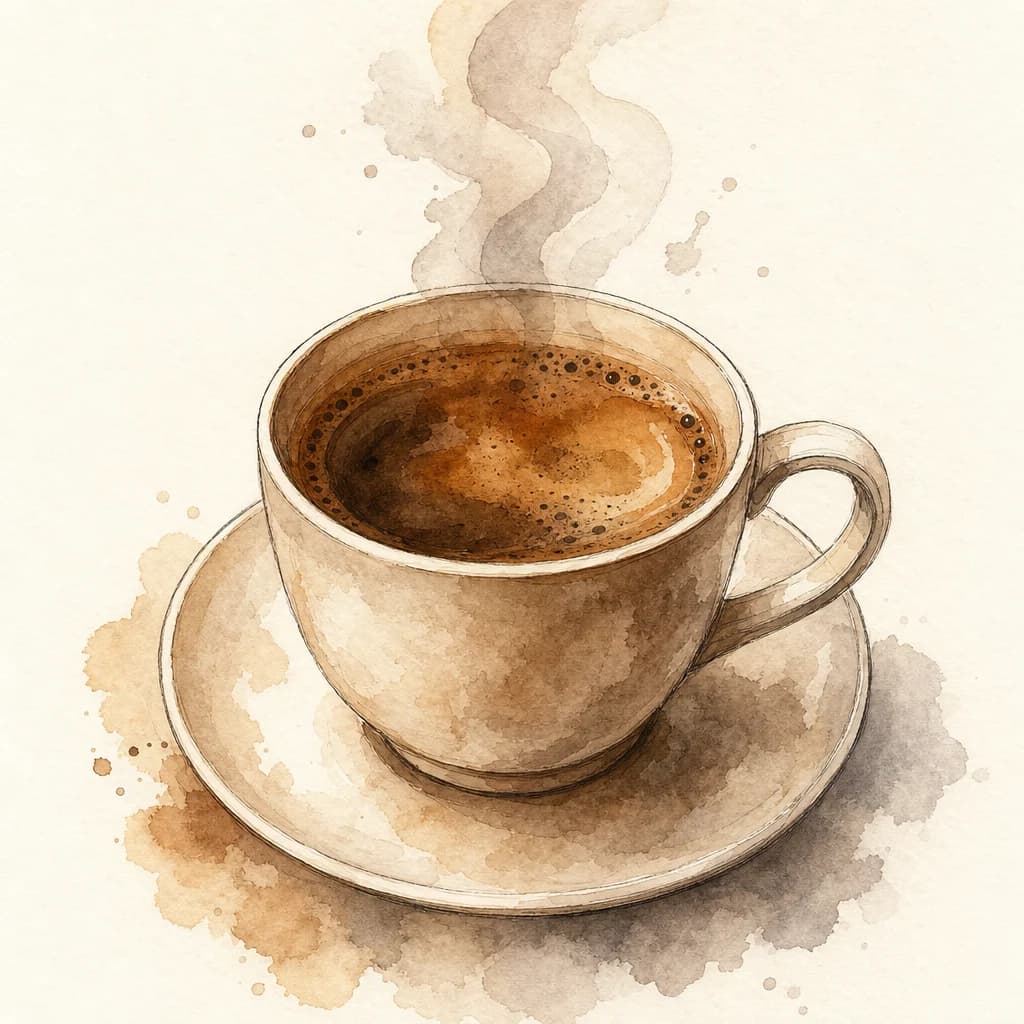
Café turc, préparé dans une « džezva » et servi fort et épais. C'est le début et le centre de tout rassemblement social.
Pivo (bière)
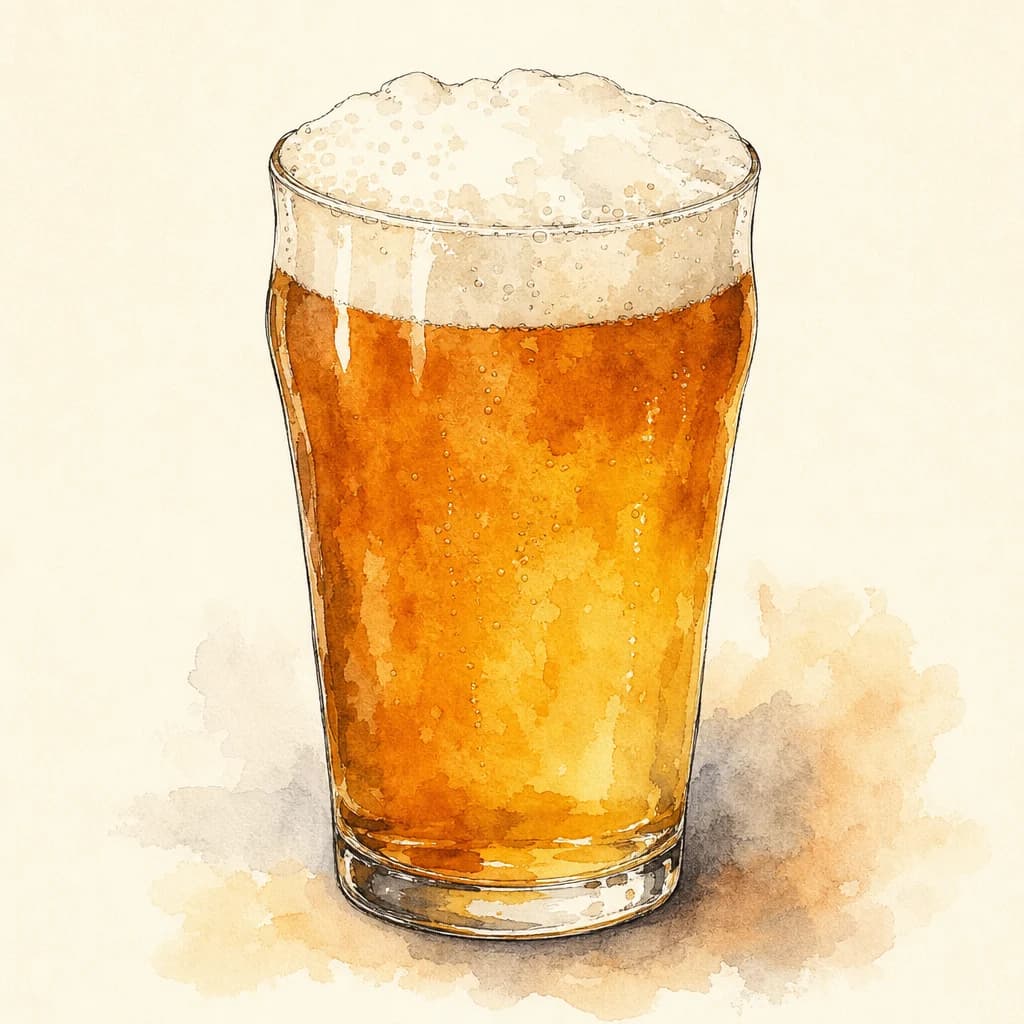
La bière est très populaire, avec des marques nationales telles que Jelen Pivo et Lav Pivo qui dominent le marché, ainsi qu'une scène de brasserie artisanale en pleine croissance.
Est venu
La Serbie a une longue histoire viticole avec plusieurs régions importantes. Les variétés indigènes telles que Prokupac (rouge) et Tamjanika (blanc) sont de plus en plus reconnues.
Que voir par thème
La richesse de la Serbie réside dans sa vie urbaine dynamique, sa riche histoire et ses paysages naturels spectaculaires. Ensuite, nous vous proposons de découvrir le pays à travers différents thèmes.
Belgrade : le carrefour des Balkans
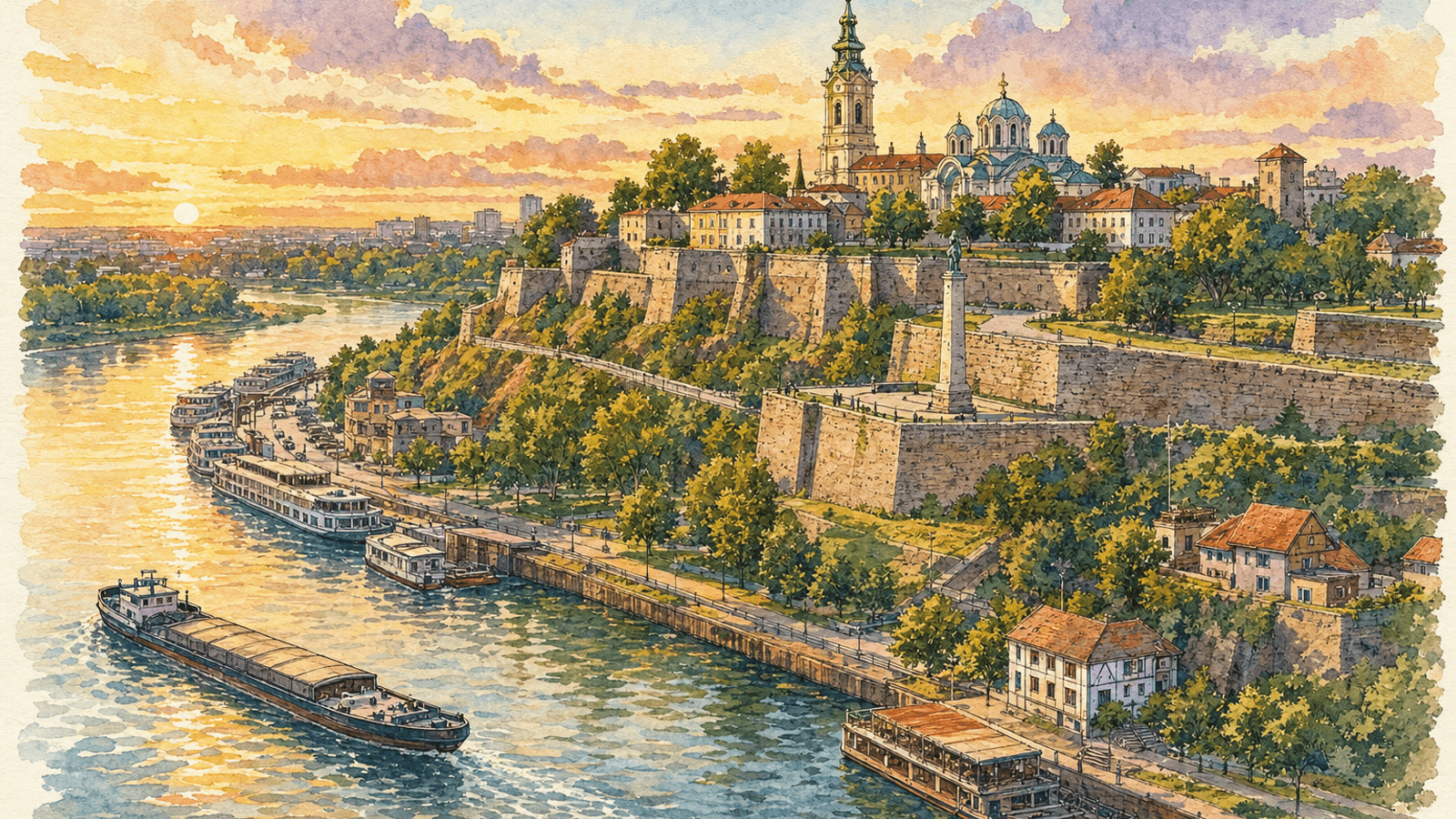
La capitale est une ville à l'énergie inépuisable. Explorez la forteresse de Kalemegdan, le quartier bohème de Skadarlija, l'église monumentale de Saint Sava et l'architecture de l'époque yougoslave à Novi Beograd.
Voïvodine : l'héritage austro-Hongrie
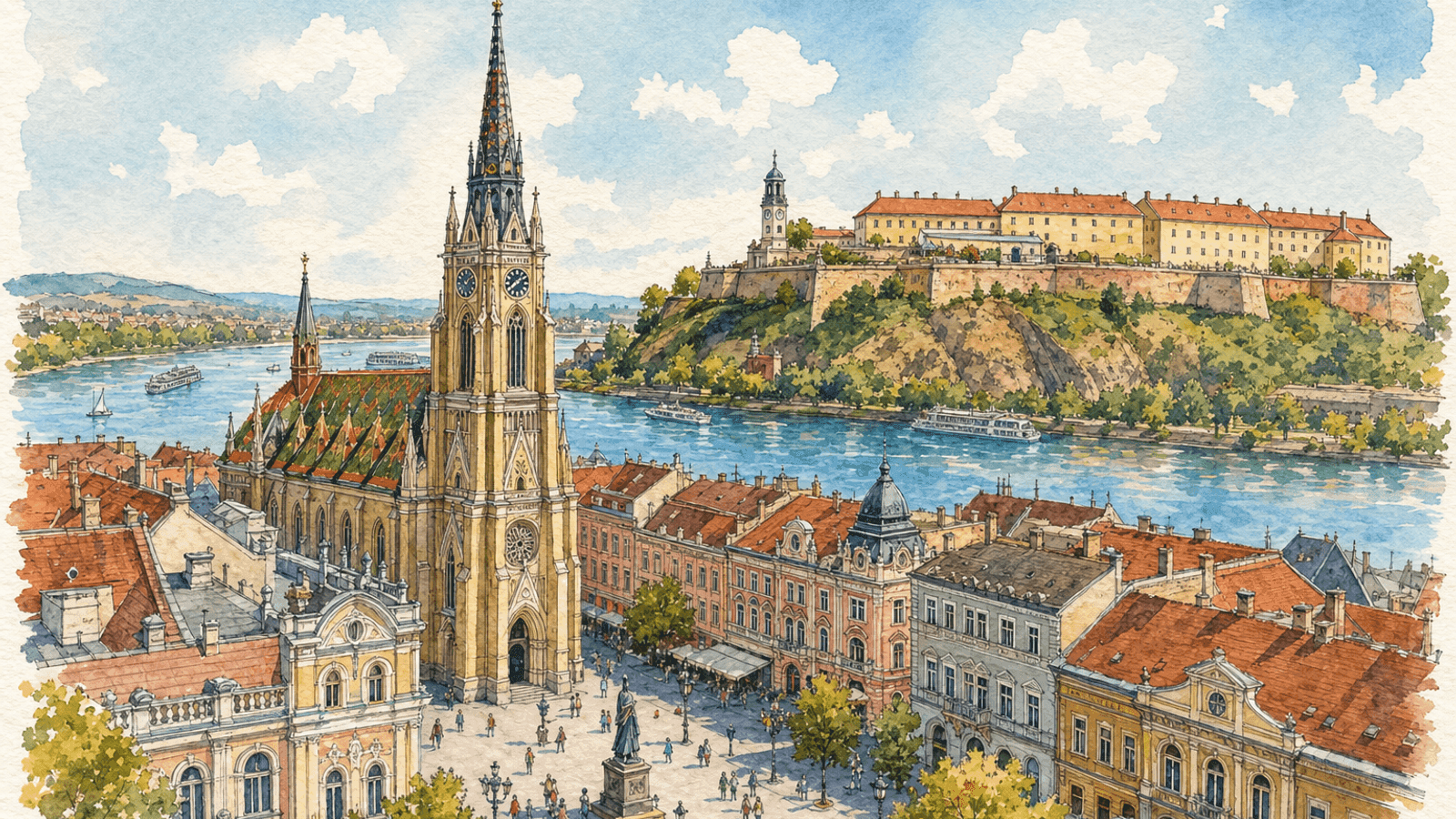
La province du nord dégage une atmosphère d’Europe centrale. Novi Sad, la capitale culturelle, est son joyau. Ne manquez pas la ville Art nouveau de Subotica ou le charmant village viticole de Sremski Karlovci.
Monastères médiévaux et route des empereurs romains
Suivez les traces de la dynastie Nemanjić en visitant les monastères de Studenica, Žiča et Sopoćani. La Serbie a également été le berceau de 18 empereurs romains et le site de Viminacium est un témoignage de cette époque.
Nature sauvage : montagnes et canyons
La Serbie occidentale est un paradis naturel. Le parc national de Tara, le canyon d'Uvac avec ses vautours fauves et les stations de montagne de Zlatibor et Kopaonik offrent des possibilités infinies de randonnée et d'aventure.
La route du Danube
Le Danube traverse la Serbie, créant des paysages spectaculaires. L'itinéraire comprend la forteresse de Golubac, le site préhistorique de Lepenski Vir et l'impressionnante gorge des Portes de Fer.
Conseils de voyage
Devise
La monnaie officielle est le dinar serbe (RSD). Même si certains lieux touristiques acceptent les euros, il est toujours conseillé de payer dans la monnaie locale. Le paiement par carte est courant dans les villes, mais les espèces sont essentielles dans les zones rurales.
Transport interne
Le réseau de bus constitue le moyen le plus fiable et le plus complet pour voyager à travers le pays. Les trains sont généralement plus lents, même si certains nouveaux itinéraires améliorent le service. Dans les villes, les taxis sont abordables.
Langue
La langue officielle est le serbe. Les alphabets cyrillique (officiel) et latin sont utilisés. L'anglais est de plus en plus parlé par les jeunes et dans le secteur touristique de Belgrade et de Novi Sad.
Conseils
Donner un pourboire est une pratique courante. Dans les restaurants, il est d'usage de laisser environ 10 % de la note totale. Il est également courant d’arrondir le prix dans les taxis et de laisser un petit pourboire dans les bars.
Ce guide n'est qu'un petit échantillon de l'intensité et de la chaleur de la Serbie. C'est un pays qui vous invite à la fête, vous embrasse par son hospitalité et vous émeut par son histoire. Nous vous encourageons à explorer ses villes dynamiques et ses paysages sereins. Ziveli! (Santé!)
Chargement peut-être...
Explore Regions of Serbie
Discover the most beautiful regions and plan your perfect trip
Belgrade
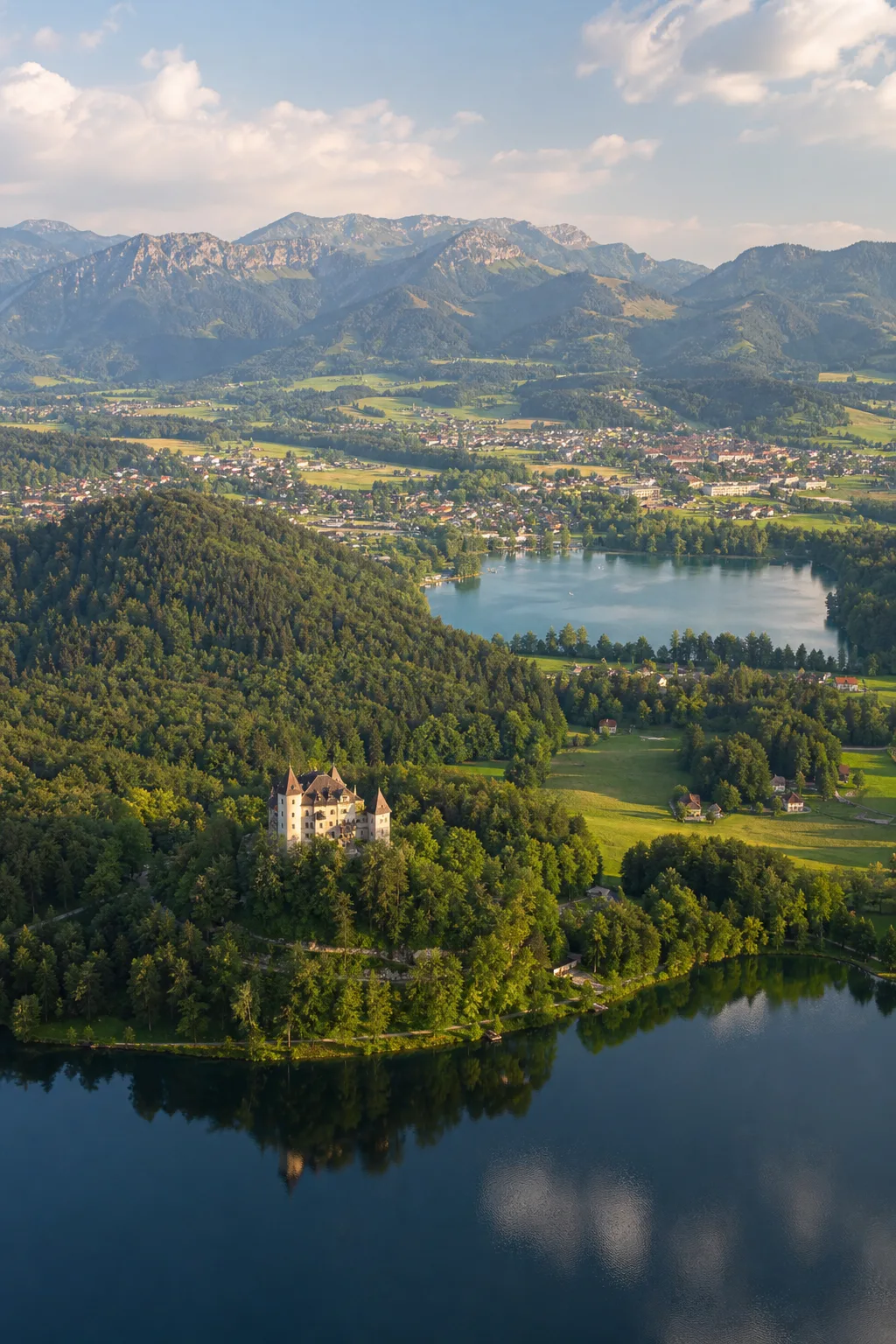
Belgrade offers distinctive landscapes, culture and experiences in Serbie.
Kosovo and Metohija
Kosovo and Metohija offers distinctive landscapes, culture and experiences in Serbie.
Southern and Eastern Serbia
Southern and Eastern Serbia offers distinctive landscapes, culture and experiences in Serbie.
Šumadija and Western Serbia
Šumadija and Western Serbia offers distinctive landscapes, culture and experiences in Serbie.
Avant de partir
Réponses rapides pour planifier votre voyage en toute confiance
- 70Familles
- 75Gastronomie
- 74Sécurité
- 46Abordable
Styles de voyage
Classements liés
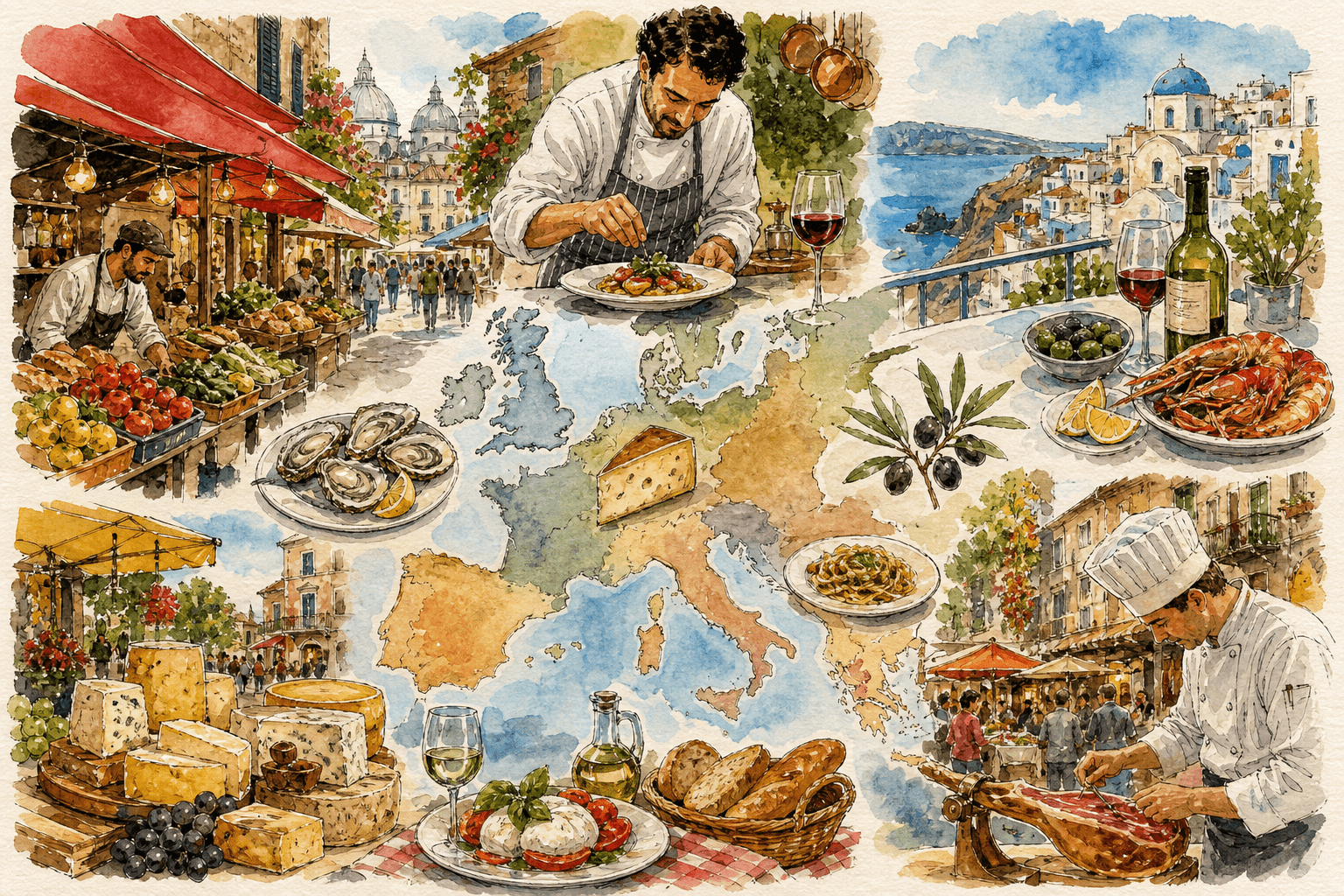 75Meilleures destinations gastronomiques d’EuropeVilles avec la meilleure scène gastronomique d’Europe.
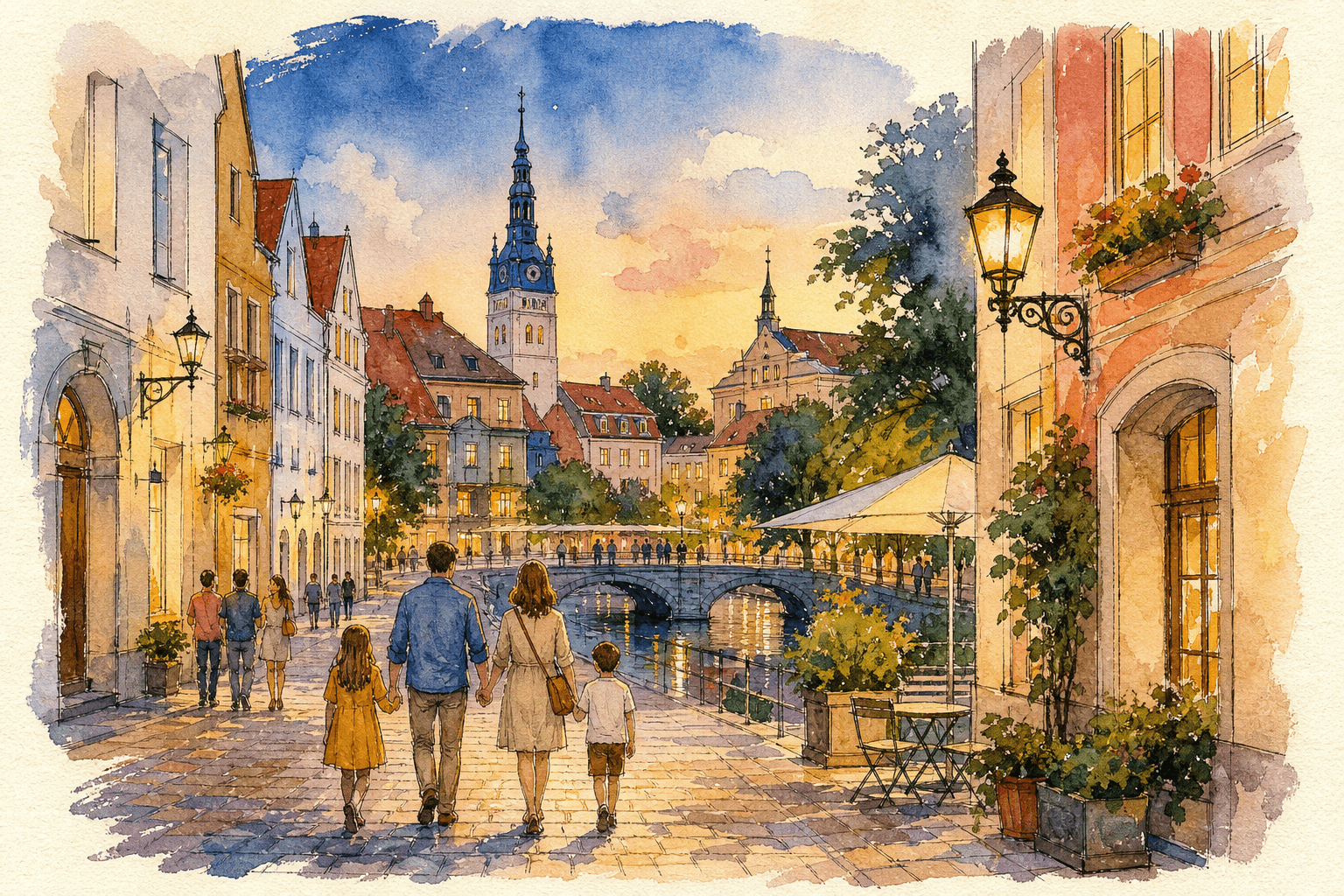 74Villes les plus sûres d’EuropeDestinations où voyager plus sereinement.
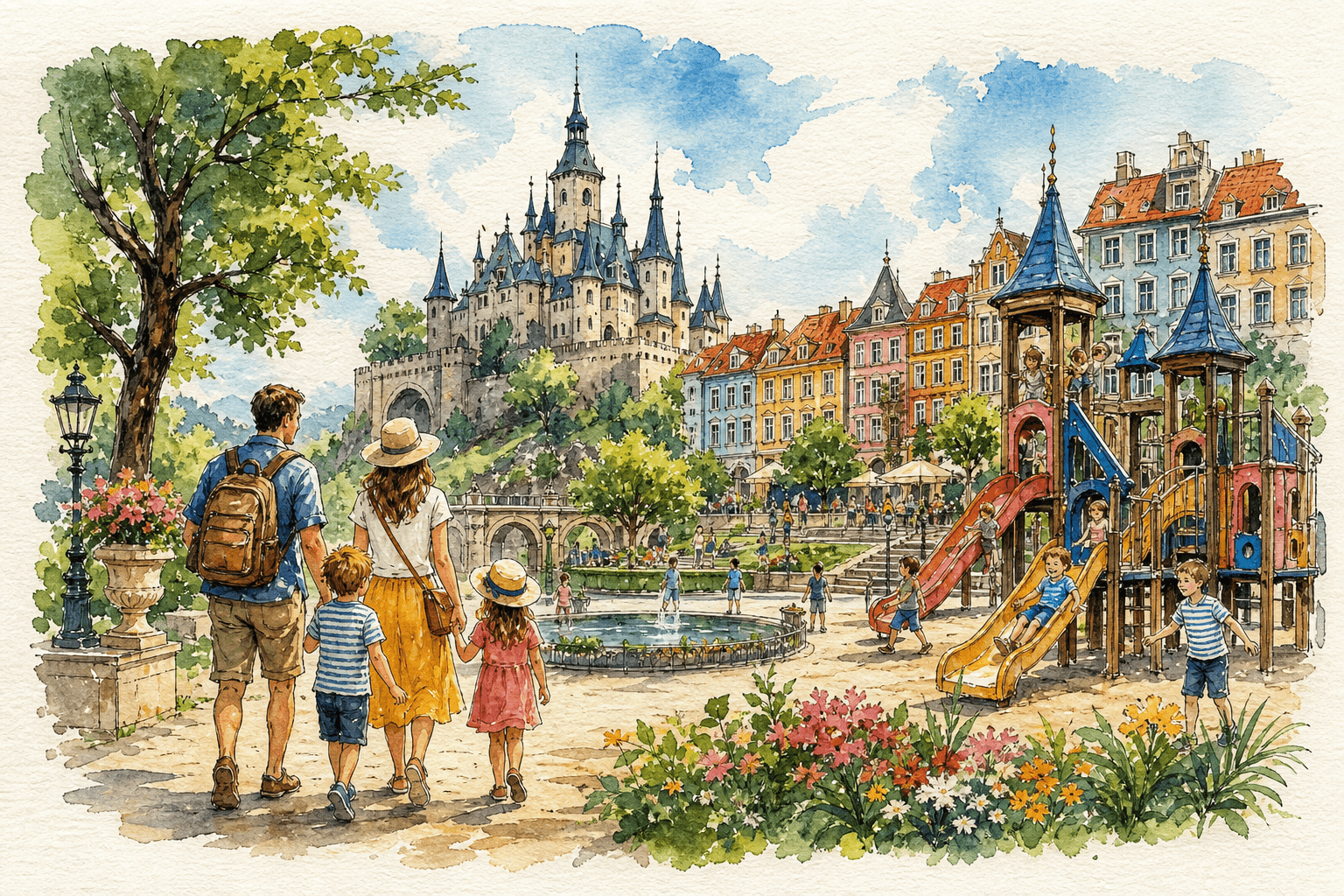 70Meilleures villes d’Europe pour voyager en familleVilles pensées pour les familles : sécurité, rythme et activités enfants.
Tout près d'ici
Escapades faciles et day trips pour prolonger votre itinéraire
Collections et routes
- 75Meilleures destinations gastronomiques d’EuropeVilles avec la meilleure scène gastronomique d’Europe.
- 74Villes les plus sûres d’EuropeDestinations où voyager plus sereinement.
- 70Meilleures villes d’Europe pour voyager en familleVilles pensées pour les familles : sécurité, rythme et activités enfants.
 75Voyage gastronomique
 74Voyage en famille
TripPlanner
Créez votre itinéraire parfait
Chargement...
Votre profil de voyageur
Découvrez votre style de voyage
Chargement...