

Guide de voyage général : L'essence de la nature et du design
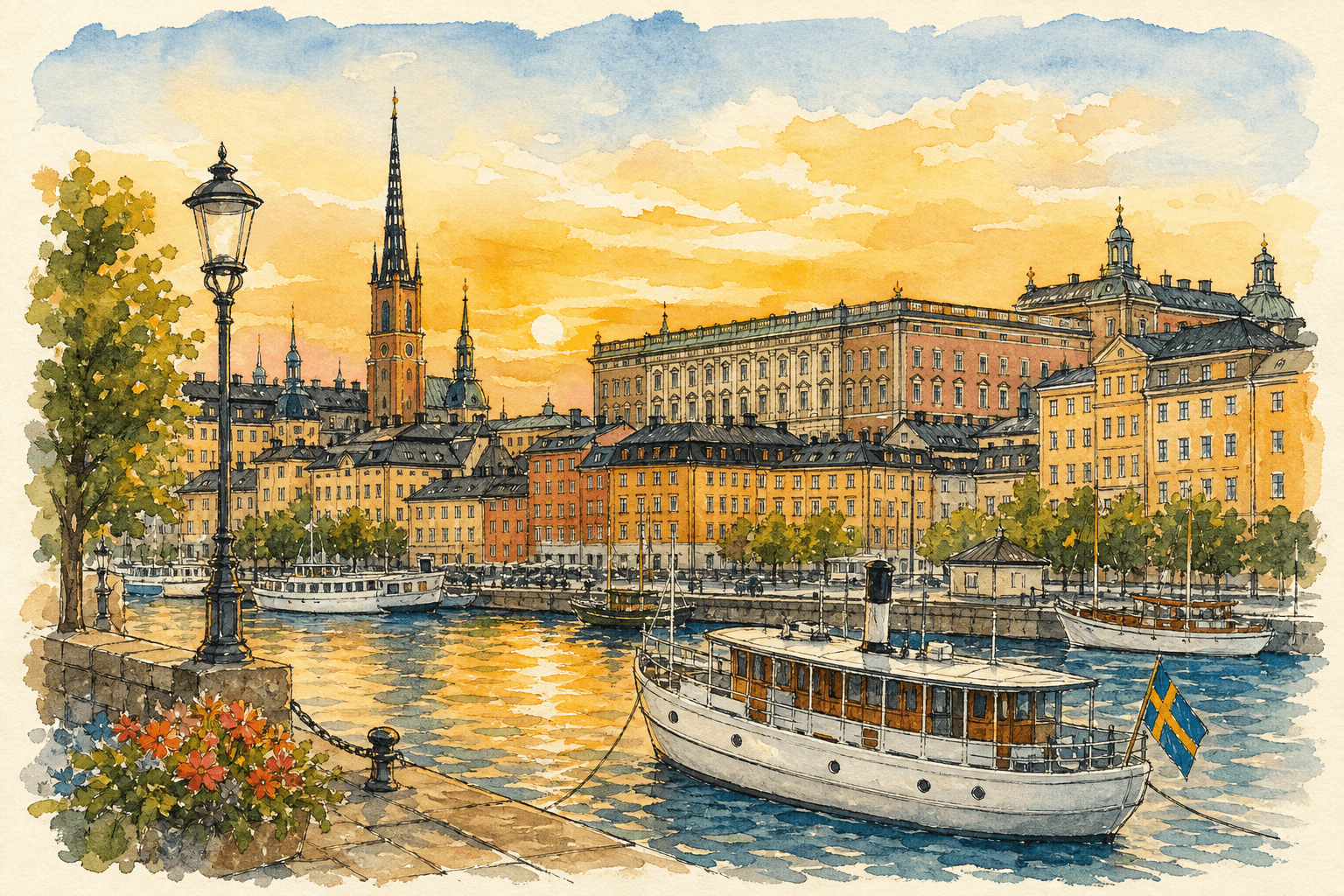
La Suède est une destination aux dualités captivantes, où villes cosmopolites et avant-gardistes cohabitent en parfaite harmonie avec une nature vaste, silencieuse et immaculée. C'est un pays qui vous invite à pagayer à travers des archipels sereins, à vous promener dans des forêts anciennes et à vous émerveiller devant les aurores boréales de la Laponie arctique. En même temps, il vous plonge dans une société progressiste et créative, berceau du design minimaliste et de concepts vitaux comme le « lagom ». Du charme médiéval de Gamla Stan à Stockholm aux célébrations païennes de Midsommar, en passant par l'incontournable pause « Fika », la Suède offre une expérience qui équilibre aventure en plein air et raffinement culturel. Préparez-vous à découvrir un pays où le respect de la nature et le bien-être sont un art de vivre.
Capital
Stockholm
Population
10.549.449
Langue
Suédois
Sites du patrimoine de l'UNESCO
15
Indices de voyage
Scores basés sur des données réelles de 0 à 100
Le meilleur de Suède
Expériences uniques
Pratiquez le « Fika » comme n'importe quel autre Suédois
Le « Fika » est une institution culturelle suédoise. Bien plus qu'une pause café, c'est un rituel social pour ralentir, discuter et profiter de la compagnie de chacun, toujours accompagné de quelque chose de sucré. L'accompagnement par excellence est la « kanelbulle » (rouleau à la cannelle). Participer à un « Fika » est la manière la plus authentique de comprendre le rythme de vie suédois et l'accent mis sur l'équilibre et les liens sociaux.
Chassez les aurores boréales en Laponie
Voyager dans le nord de la Suède en hiver offre l'opportunité d'assister à l'un des spectacles les plus impressionnants de la nature : les aurores boréales. Des endroits comme le parc national d'Abisko, grâce à son microclimat de ciel clair, ou la région de Kiruna, sont considérés parmi les meilleurs au monde pour l'observation. La saison idéale s'étend de septembre à mars.
Célébrez Midsommar (solstice d’été)
Midsommar est probablement la fête la plus importante et la plus appréciée de Suède. Elle est célébrée un vendredi entre le 19 et le 25 juin et marque le jour le plus long de l'année. Les Suédois se rassemblent dans la campagne pour confectionner des couronnes, soulever et danser autour du « Midsommarstång » (mât de mai) et savourer un festin de hareng, de pommes de terre nouvelles et de fraises.
Naviguez dans l'archipel de Stockholm
Aux abords de la capitale se trouve une impressionnante mosaïque de près de 30 000 îles, îlots et rochers. Explorer l’archipel en ferry, en kayak ou en bateau privé est une expérience estivale incontournable. Vous pouvez tout visiter, des îles animées avec des restaurants et des hôtels, comme Sandhamn ou Vaxholm, aux sites naturels presque vierges pour vous connecter avec la nature.
Profitez d'un sauna et d'un bain au lac
Le sauna fait partie intégrante de la culture nordique. L'expérience suédoise complète consiste à se réchauffer dans un sauna au feu de bois, souvent situé au bord d'un lac, suivi d'un plongeon revitalisant dans les eaux froides, même à travers un trou dans la glace en hiver. C'est un rituel qui allie détente, socialisation et connexion revigorante avec la nature.
Dormir à l'Icehotel à Jukkasjärvi
Chaque hiver, à 200 km au nord du cercle polaire arctique, des artistes du monde entier reconstituent le célèbre hôtel de glace en utilisant la glace et la neige de la rivière Torne. Dormir dans l'une de ses « Art Suites », à une température constante de -5ºC, est une expérience vraiment unique. L'hôtel dispose également d'un bar de glace où les cocktails sont servis dans des verres à glace.
Saveurs nordiques : entre tradition et innovation
La cuisine suédoise, ou « husmanskost » (plats faits maison), est basée sur des ingrédients simples et de haute qualité, souvent issus de ses forêts, lacs et côtes. Des plats copieux à base de poisson, de viande, de pommes de terre et de produits laitiers définissent la cuisine traditionnelle. Cependant, ces dernières années, une nouvelle cuisine nordique a fleuri, réinterprétant ces traditions en mettant l'accent sur le local, le durable et l'innovation.
Allemansrätten : le droit de collecter
Le « droit d'accès du public » permet à quiconque de cueillir des baies, des champignons et des fleurs sauvages dans la nature. Cela a un impact profond sur la gastronomie, avec des ingrédients tels que les airelles, les chicoutés et les girolles qui apparaissent frais dans les plats d'été et dans les conserves en hiver.
Smörgåsbord : le buffet suédois
C'est la version suédoise du buffet, une table remplie de plats chauds et froids. Traditionnellement, un ordre est suivi : en commençant par le hareng et le saumon, suivis par d'autres plats froids comme les saucisses et les pâtés, puis par les plats chauds comme les boulettes de viande, et enfin par les fromages et les desserts.
Plats Iconiques
Köttbullar (boulettes de viande)
Le plat suédois le plus connu au monde. Ces boulettes de viande sont traditionnellement servies avec une sauce à la viande crémeuse (gräddsås), de la purée de pommes de terre, de la confiture d'airelles et des cornichons. C'est la quintessence de la cuisine suédoise réconfortante.
Inlagd Sill (hareng mariné)
Le hareng est la pièce maîtresse de toute fête suédoise (Midsommar, Noël, Pâques). Il est présenté mariné dans une variété de sauces, de la classique à l'oignon et à l'aneth aux plus créatives à la moutarde ou à l'ail. Il est généralement consommé avec des pommes de terre bouillies, de la crème sure et de la ciboulette.
Gravad Lax (saumon séché)
Saumon cru salé pendant des jours dans un mélange de sel, sucre et aneth. Il est coupé en fines tranches et est généralement servi avec une sauce à la moutarde et à l'aneth (« hovmästarsås ») sur du pain de seigle. C'est un classique du smörgåsbord.
Ärtsoppa och Pannkakor (soupe aux pois et aux crêpes)
Traditionnellement, c'est le menu de tous les jeudis en Suède. Un bol de soupe aux pois jaunes copieuse avec de la moutarde est servi en premier, suivi de fines crêpes (pannkakor) avec de la confiture et de la crème.
Smörgåstårta (gâteau sandwich)
Un plat festif et spectaculaire qui ressemble à un gâteau sucré mais salé. Il se compose de couches de pain de mie entrecoupées de garnitures crémeuses à base de mayonnaise, de crevettes, de saumon, de jambon et d'œuf. L'extérieur est abondamment décoré.
Kräftskiva (Fête de l'écrevisse)
Plus qu'un plat, c'est un événement social qui a lieu au mois d'août. Les Suédois se rassemblent pour manger d'énormes quantités d'écrevisses bouillies dans de l'aneth, portant des chapeaux en papier et chantant des chansons à boire (« snapsvisor »).
Boissons typiques
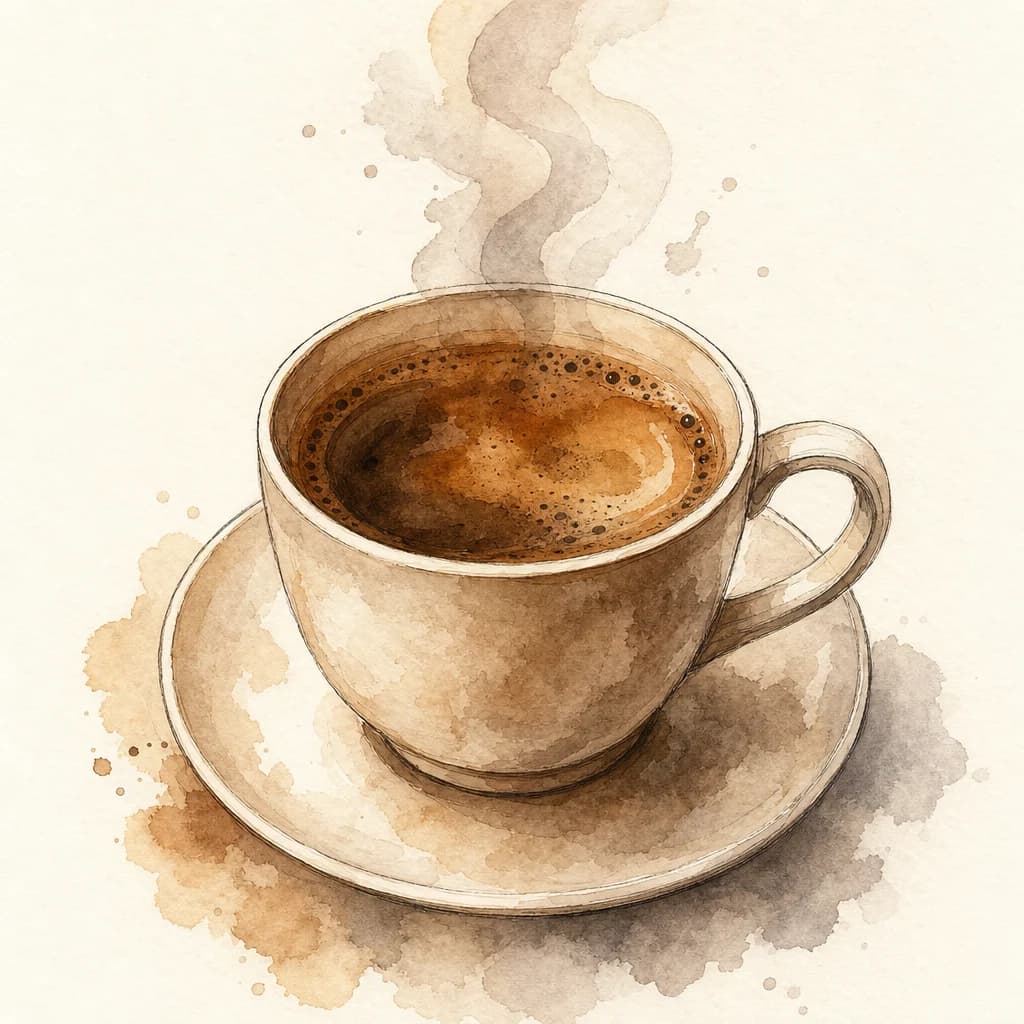
Kaffé (Café)
Les Suédois comptent parmi les plus grands consommateurs de café au monde. Le café filtre est un élément essentiel du « Fika » et de la vie sociale.
Akvavit / Snaps
Un distillat à base de pomme de terre ou de céréales, aromatisé avec des herbes comme le cumin, l'anis ou le fenouil. C'est la boisson traditionnelle pour accompagner le hareng et pour porter un toast lors des célébrations en chantant le « snapsvisor ».
juillet doit
Une boisson gazeuse sombre et mousseuse, aromatisée au houblon et au malt, qui se consomme presque exclusivement à Noël. Pendant les vacances, ses ventes dépassent celles de toute autre boisson gazeuse. À Pâques, la même boisson est vendue sous le nom de « Påskmust ».
Cidre
Le cidre suédois, à la fois de pomme et de poire (« päroncider »), est très apprécié, surtout en été. Il est généralement plus doux et rafraîchissant que les autres cidres européens.
Desserts traditionnels
Kanelbulle (rouleau à la cannelle)
La douceur par excellence du 'Fika'. Un petit pain à la pâte levée, souvent avec un soupçon de cardamome, rempli de beurre, de sucre et de cannelle, et garni de sucre perlé.
Prinsesstårta (Gâteau Princesse)
Un gâteau suédois emblématique composé de couches de génoise, de confiture de framboise, de crème pâtissière et d'un épais dôme de chantilly, le tout recouvert d'une fine couche de pâte d'amande verte et décoré d'une rose en pâte d'amande rose.
Semla (singulier), Semlor (pluriel)
Un petit pain de carême traditionnel. Il s'agit d'un petit pain à la levure et à la cardamome, dont le dessus est coupé, vidé et rempli de pâte d'amande et de chantilly. Saupoudrer de sucre glace.
Kladdkaka (gâteau collant au chocolat)
Un gâteau au chocolat dense et collant, croustillant à l'extérieur et presque coulant à l'intérieur. C'est facile à préparer et très apprécié dans toute la Suède. Il est généralement servi avec de la chantilly ou de la glace à la vanille.
Que voir par thème
La richesse de la Suède réside dans son incroyable contraste entre une vie urbaine innovante et l'immensité de sa nature préservée. Nous vous proposons ensuite de découvrir le pays à travers différentes thématiques qui vous feront découvrir ses multiples facettes.
Villes de design et d’eau
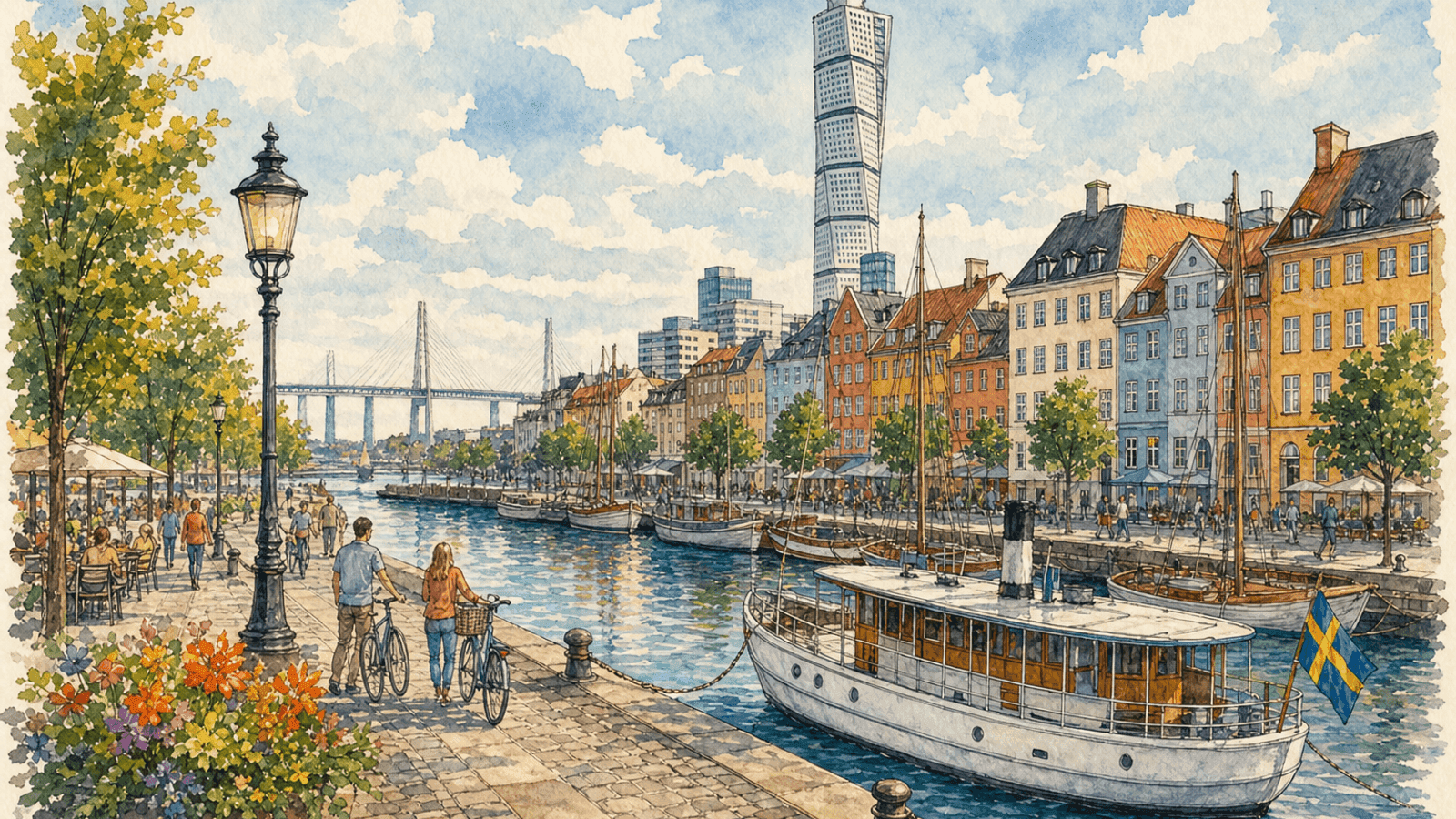
Stockholm, la « Venise du Nord », est construite sur 14 îles et est une vitrine du design, des musées et de l'histoire, avec sa vieille ville Gamla Stan. Göteborg, sur la côte ouest, jouit d'une atmosphère plus détendue et est célèbre pour sa scène culinaire. Malmö, reliée au Danemark par le pont de l'Öresund, est un exemple d'architecture moderne et de durabilité.
Aventure en Laponie arctique
La Laponie suédoise est la destination pour des expériences hivernales uniques. Ici, vous pourrez dormir à l'Icehotel, faire des excursions en traîneau à chiens ou en motoneige, découvrir la culture du peuple indigène Sami et, bien sûr, contempler les aurores boréales. En été, le soleil de minuit permet de partir en randonnée ou de pêcher à toute heure.
Côtes, archipels et villages de pêcheurs
La côte ouest, notamment la région du Bohuslän, est parsemée de charmants villages de pêcheurs avec leurs maisons en bois rouge caractéristiques, comme Smögen ou Marstrand. L'île baltique de Gotland abrite la ville médiévale fortifiée de Visby, classée au patrimoine mondial, et des paysages uniques avec des formations rocheuses (« raukar »).
Cœur rural : lacs, forêts et tradition
La région de Dalécarlie est considérée comme le cœur folklorique de la Suède, avec ses maisons rouges Falu, le lac Siljan et le lieu de naissance du célèbre cheval dalécarlien. Les régions du Småland et du Värmland sont couvertes de forêts denses et de milliers de lacs, offrant une immersion totale dans la Suède rurale et traditionnelle.
Histoire viking et châteaux royaux
La Suède possède un riche patrimoine historique. Vous pouvez explorer les colonies vikings telles que Birka, sur une île du lac Mälaren, ou les tumulus de Gamla Uppsala. De plus, le pays est parsemé de châteaux et de palais royaux, comme le palais de Drottningholm (résidence royale et site du patrimoine mondial) ou le château de Gripsholm.
Design, art et musées
Le design suédois est connu dans le monde entier. À Stockholm, le musée Vasa expose un navire de guerre du XVIIe siècle sauvé des fonds marins. Le Moderna Museet abrite l'une des meilleures collections d'art moderne et contemporain. Le musée en plein air de Skansen propose un voyage à travers l'histoire et les traditions de la Suède dans un cadre vivant.
Conseils de voyage
Horaires et systèmebolaget
Les magasins ont tendance à fermer plus tôt que dans le sud de l’Europe, surtout le week-end. La vente de boissons alcoolisées à plus de 3,5 % est monopolisée par l'État par l'intermédiaire des magasins « Systembolaget », qui ont des horaires restreints et ne sont pas ouverts le dimanche.
Transport interne
Le réseau ferroviaire est moderne et efficace, reliant les principales villes. Pour les longues distances, comme aller en Laponie, les trains de nuit ou les vols intérieurs sont de bonnes options. Les bus couvrent davantage d'itinéraires locaux. Louer une voiture est idéal pour explorer librement les zones rurales.
Langue
La langue officielle est le suédois. Cependant, la grande majorité des Suédois, en particulier les jeunes générations, parlent un anglais excellent, la communication ne pose donc généralement pas de problème pour le touriste.
Conseils
Le pourboire n’est ni requis ni attendu car le service est inclus dans la facture. Si le service a été exceptionnel, arrondir l'addition ou laisser un petit pourboire (5 à 10 %) est acceptable, mais ce n'est pas une pratique courante.
Ce guide n'est que le point de départ pour explorer la vaste et fascinante Suède. Chaque région offre un caractère distinct, depuis les champs fertiles et les châteaux de Skåne au sud jusqu'à la toundra arctique au nord. Nous vous invitons à vous plonger dans les guides spécifiques à chaque territoire pour planifier un voyage sur mesure, que vous recherchiez du design urbain, du calme dans la nature ou des aventures inoubliables sous les aurores boréales ou le soleil de minuit. Trevlig resa! (Bon voyage !)
Chargement peut-être...
Explore Regions of Suède
Discover the most beautiful regions and plan your perfect trip
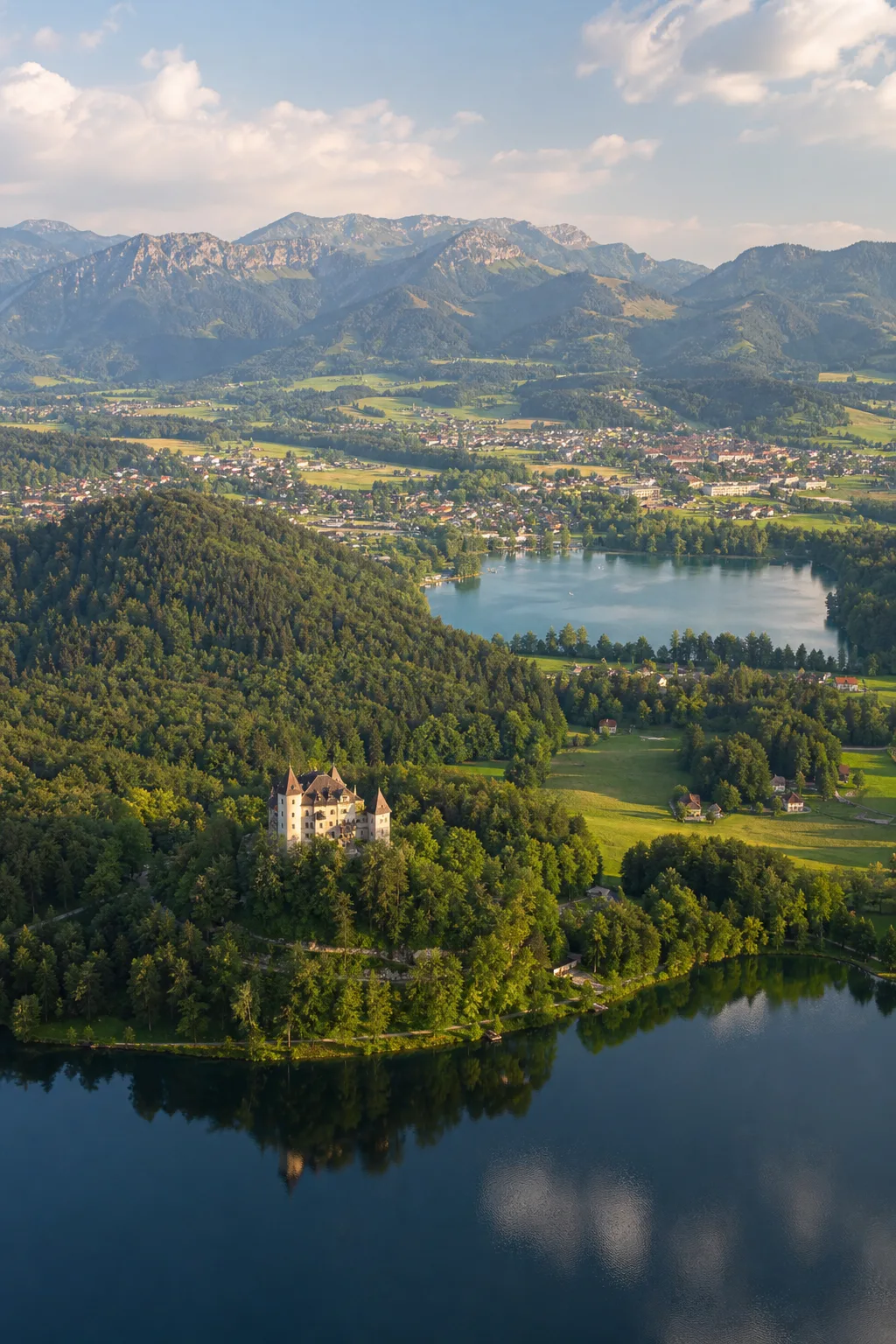
Götaland
Götaland offers distinctive landscapes, culture and experiences in Suède.
Norrland
Norrland offers distinctive landscapes, culture and experiences in Suède.
Svealand
Svealand offers distinctive landscapes, culture and experiences in Suède.
Avant de partir
Réponses rapides pour planifier votre voyage en toute confiance
Pourquoi cette destination
- Suède convient très bien aux familles (indice 91/100).
- Scène gastronomique au top : 81/100.
- Destination sûre : indice 83/100.
- 91Familles
- 81Gastronomie
- 83Sécurité
- 82Abordable
Styles de voyage
Classements liés
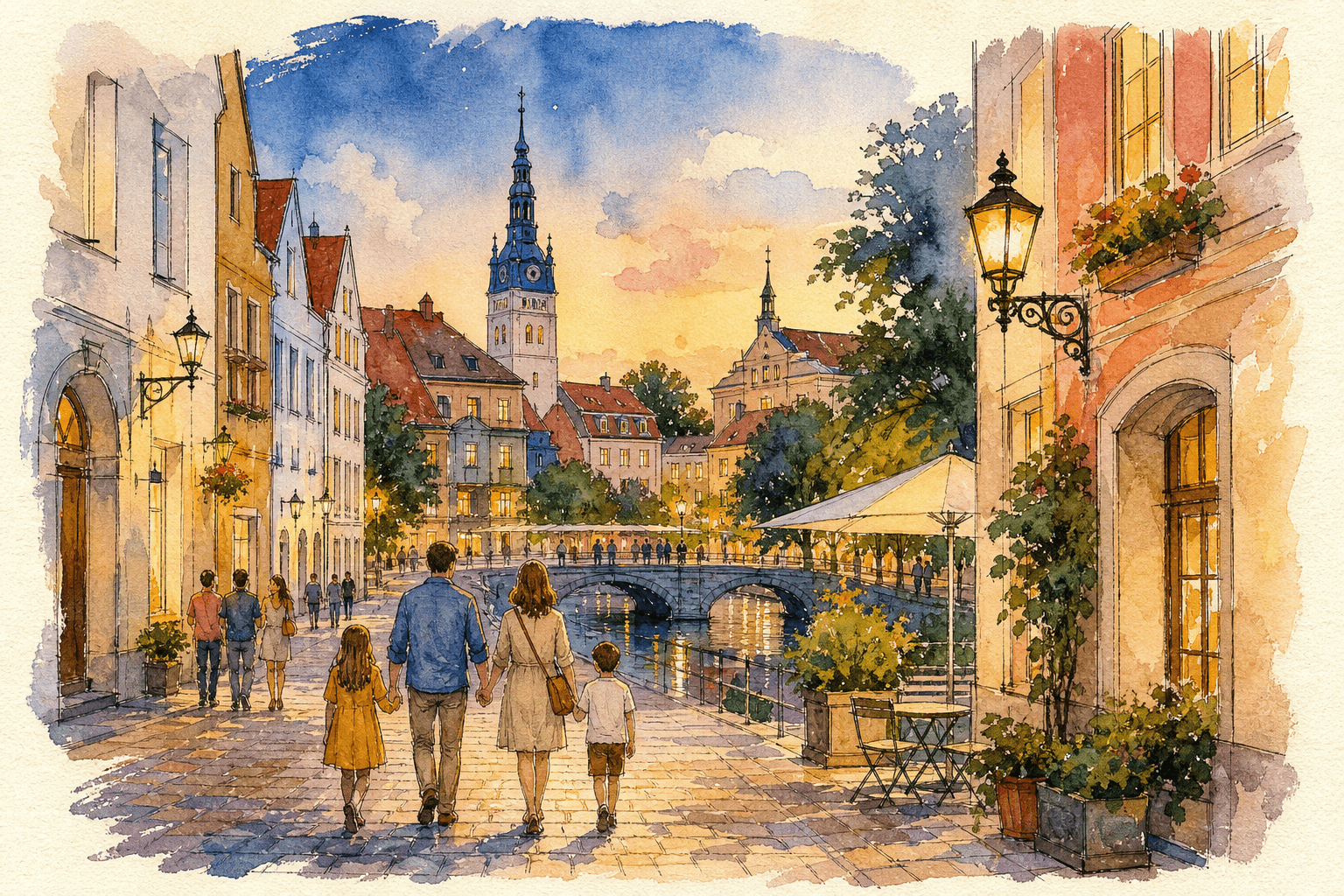
 91Meilleures villes d’Europe pour voyager en familleVilles pensées pour les familles : sécurité, rythme et activités enfants.
 83Villes les plus sûres d’EuropeDestinations où voyager plus sereinement.
 82Destinations les moins chères en EspagneVilles espagnoles où le budget va plus loin sans sacrifier l’expérience.
- 82Destinations les moins chères en EuropeVilles les plus abordables pour voyager sans sacrifier l’expérience.
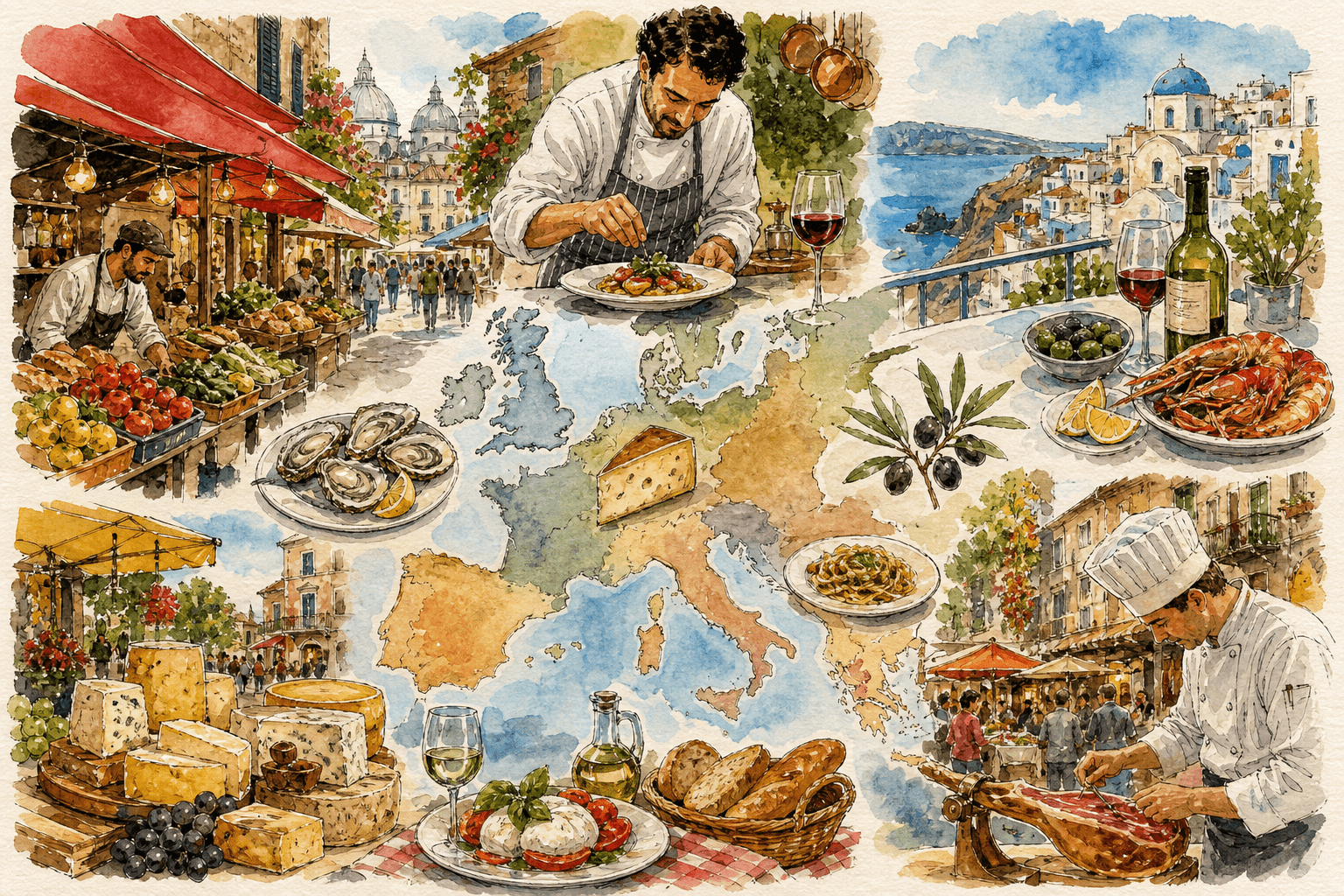 81Meilleures destinations gastronomiques d’EuropeVilles avec la meilleure scène gastronomique d’Europe.
Tout près d'ici
Escapades faciles et day trips pour prolonger votre itinéraire

Collections et routes
- 91Meilleures villes d’Europe pour voyager en familleVilles pensées pour les familles : sécurité, rythme et activités enfants.
- 83Villes les plus sûres d’EuropeDestinations où voyager plus sereinement.
- 82Destinations les moins chères en EspagneVilles espagnoles où le budget va plus loin sans sacrifier l’expérience.
- 82Destinations les moins chères en EuropeVilles les plus abordables pour voyager sans sacrifier l’expérience.
- 81Meilleures destinations gastronomiques d’EuropeVilles avec la meilleure scène gastronomique d’Europe.
 91Voyage en famille
 82Voyage petit budget
 81Voyage gastronomique
TripPlanner
Créez votre itinéraire parfait
Chargement...
Votre profil de voyageur
Découvrez votre style de voyage
Chargement...