


Guide de voyage général : l'essence maya, caribéenne et sauvage du Honduras
Le Honduras est l’un des joyaux les plus complets, diversifiés et authentiques du continent américain. Située au cœur de l’Amérique centrale, cette terre bénie par une nature débordante vous invite à un voyage aux contrastes extraordinaires. Dans l'ouest montagneux, les stèles de pierre de Copán émergent de la brume de la jungle et révèlent l'art le plus raffiné de la civilisation maya, tandis que les villes coloniales aux églises blanchies à la chaux perpétuent les traditions du peuple Lenca. Vers le nord, les eaux cristallines des Caraïbes baignent des îles désertes de sable blanc, des récifs regorgeant de vie marine et des communautés garifuna où le grondement des tambours égaye les après-midi face à la mer. De la descente des canyons fluviaux de la jungle de Pico Bonito à la plongée aux côtés des requins baleines ou à la dégustation d'une baleada fraîchement préparée au bord du lac Yojoa, le Honduras séduit par son esprit indomptable, sa biodiversité et la chaleur inconditionnelle de son peuple Catracha.
Capital
Tegucigalpa
Population
9.904.607
Langue
Espagnol
Sites du patrimoine de l'UNESCO
0
Indices de voyage
Scores basés sur des données réelles de 0 à 100
Le meilleur de Honduras
Expériences uniques
Décryptez les mystères mayas des ruines de Copán
Connue comme « l'Athènes du monde maya » pour la finesse inégalée de ses sculptures en pierre volcanique de tuf vert, Copán est un joyau archéologique de l'UNESCO. Se promener sur la Grande Place parmi les stèles sculptées en 3D qui représentent les rois de la dynastie Yax Kuk Mo, contempler le célèbre escalier hiéroglyphique (le texte hiéroglyphique maya le plus ancien conservé) et descendre dans les tunnels souterrains de Rosalila pendant que des aras écarlates libres survolent les ruines est un voyage inoubliable dans le passé préhispanique.
Plongez avec les requins baleines et les récifs dans les îles de la Baie
Les îles de Roatán et Utila font partie de la deuxième plus grande barrière de corail de la planète. Utila est célèbre au niveau international pour être l'un des endroits les plus abordables et les plus prestigieux au monde pour obtenir des certifications de plongée (PADI/SSI) et pour ses fréquentes rencontres avec le majestueux requin baleine en haute mer. De son côté, Roatán éblouit avec ses jardins de corail accessibles depuis des plages comme West Bay, ses épaves submergées et sa vie marine animée composée de tortues imbriquées, de raies aigles et de mérous géants.
Déconnectez-vous dans le paradis vierge de Cayos Cochinos
Cet archipel protégé de 13 petites cayes au sable blanc et aux eaux turquoise phosphorescentes est l'une des réserves marines les mieux préservées des Caraïbes. À Cayo Menor, les randonneurs recherchent l'énigmatique boa rose endémique, tandis qu'à Cayo Chachahuate ils cohabitent avec une communauté de pêcheurs garifuna, dégustant du poisson frit fraîchement pêché avec des tostones et du lait de coco sur le sable.
Rafting et aventure dans le parc national de Pico Bonito
La rivière Cangrejal, qui descend abruptement des forêts nuageuses de la chaîne de montagnes Nombre de Dios, est l'un des meilleurs paysages d'eau vive d'Amérique centrale. La descente de ses rapides de classe III, IV et V entre de gigantesques rochers de granit blanc entourés par la canopée de la jungle de Pico Bonito combine de l'adrénaline pure avec des ponts suspendus, des cascades cachées et l'observation des toucans.
Aventurez-vous aux cascades de Pulhapanzak et au lac Yojoa
Le lac Yojoa est le seul lac volcanique naturel du Honduras, entouré de plantations de café et de parcs nationaux, idéaux pour observer plus de 500 espèces d'oiseaux. À proximité, la cascade Pulhapanzak surprend avec son imposant dénivelé de 43 mètres au-dessus de la rivière Lindo, où les plus téméraires pourront faire de la tyrolienne au-dessus de la cascade ou faire une visite guidée derrière le rideau d'eau rugissante jusqu'à des grottes cachées.
Parcourez la route magique de Lenca à Gracias et Santa Rosa
L’ouest du Honduras préserve une atmosphère coloniale calme et authentique. À Gracias, au pied de l'imposant parc national Celaque (le plus haut sommet du pays), vous pourrez visiter la forteresse de San Cristóbal et vous détendre dans les sources chaudes naturelles. À proximité, Santa Rosa de Copán séduit avec ses rues pavées, ses plantations de tabac, sa cuisine autochtone et ses cafés spécialisés de renommée mondiale.
Saveurs de Milpa Maya, Caribbean Fusion et Catracha Tradition
La gastronomie hondurienne est généreuse, variée et profondément liée à ses racines indigènes, coloniales et afro-caribéennes. Elle repose sur deux grands piliers géographiques : la cuisine de l'intérieur, où règnent en maître le maïs nixtamalisé, les haricots rouges frits, les produits laitiers artisanaux et les viandes grillées au charbon de bois ; et la cuisine de la côte caraïbe, caractérisée par l'utilisation de noix de coco fraîche, de plantain vert ou mûr, de manioc et de fruits de mer fraîchement pêchés.
Maïs, haricots et fromage sec
La triade sacrée de la table de catracha quotidienne. Le maïs se transforme en tortillas chaudes cuites sur un comal ou en tamales sucrés ; les haricots rouges sont cuits et frits jusqu'à ce qu'ils soient détrempés et brillants ; et les fromages artisanaux comme le fromage à pâte dure Olanchan ou le quesillo apportent la touche saline caractéristique.
Lait de coco et saveur garifuna
Sur la côte caraïbe et dans les îles de la Baie, le lait de coco fraîchement râpé parfume et épaissit les bouillons de fruits de mer, le riz et les haricots, ainsi que les pains traditionnels au feu de bois, lui conférant une texture soyeuse incomparable.
Plats Iconiques
Tir de Catracha
L'icône incontestée de la fierté gastronomique hondurienne. Une grande tortilla de farine de blé tendre préparée à la main sur commande, pliée en deux et tartinée dans sa version « nature » de haricots rouges frits, de crème sure hondurienne et de fromage à pâte dure salé râpé. Dans sa version « spéciale » ou « avec tout », il est enrichi d'œuf brouillé, d'avocat, de rôti de bœuf, de chorizo ou de poulet.
Soupe d'Escargot
Le plat le plus emblématique de la côte nord, immortalisé par la célèbre chanson Los Paches. C'est un bouillon crémeux et aromatique préparé avec de la tendre chair d'escargot de mer géant cuite dans du lait de coco frais, du manioc, de la banane verte, de la carotte, de l'oignon, de l'ail, de la coriandre sauvage et une touche d'agrumes de citron vert.
Tapado Olanchano et Costeño
Copieux ragoût traditionnel cuit à feu doux dans une cocotte recouverte de feuilles de bananier. Le Tapado Olanchano associe des viandes salées et fumées (bœuf, porc, côte salée et chorizo) avec du plantain mûr et sucré et du yuca ; tandis que le Tapado Costeño remplace les viandes par du poisson séché salé ou des crustacés au lait de coco.
Plat typique du Honduras (Carne Asada)
La fête traditionnelle du week-end. Coupes de bœuf nobles marinées à l'orange aigre, à l'ail et aux épices, grillées sur charbon de bois, servies avec haricots frits, chismol (pico de gallo frais), plantain mûr frit, fromage frais, crème au beurre, chorizo et tortillas de maïs chaudes.
Yucca au chicharrón
Plat de rue et de marché extrêmement populaire, notamment à San Pedro Sula et sur la côte. Il se compose d'une base généreuse de tendres manioc cuits en morceaux, recouverts de couennes de porc charnues et croustillantes ou de peau frite, et surmontés d'une salade rafraîchissante de chou violet ou blanc mariné, de tomate, de chimichurri créole et de sauce tomate maison.
Montucas et Nacatamales
Les tamales traditionnels par excellence. Les Montucas sont faites avec de la pâte de maïs sucrée légèrement sucrée, farcies de porc ou de poulet aux légumes et au lait de coco, enveloppées dans des feuilles de maïs vertes ; tandis que les nacatamales sont de gros tamales de maïs salés assaisonnés de roucou, de riz, de pommes de terre et de viande, enveloppés dans des feuilles de bananier.
Boissons typiques

Café de spécialité Marcala et Copán
Le Honduras est le plus grand producteur de café d’Amérique centrale et l’un des plus prospères au monde. Cafés de hauteur stricte (SHG) cultivés sous ombrage et d'Appellation d'Origine Marcala, reconnus pour leur acidité citrique équilibrée, leur corps velouté et leurs notes de chocolat, de jasmin et de fruits rouges.
Guifiti
La boisson médicinale et spiritueuse ancestrale emblématique du peuple Garifuna. Il est obtenu en faisant macérer un mélange secret de plus d'une vingtaine de racines séchées, de bois aromatiques et d'herbes médicinales sauvages de la jungle (comme la camomille, l'anis et le piment de la Jamaïque) dans de la pure liqueur de canne.
Horchata hondurienne
Boisson traditionnelle rafraîchissante et nutritive à base de graines de courge grillées et moulues avec du riz, de la cannelle, de la muscade, de la vanille et du sucre de canne, mélangées à de l'eau froide ou du lait et servies avec beaucoup de glace.
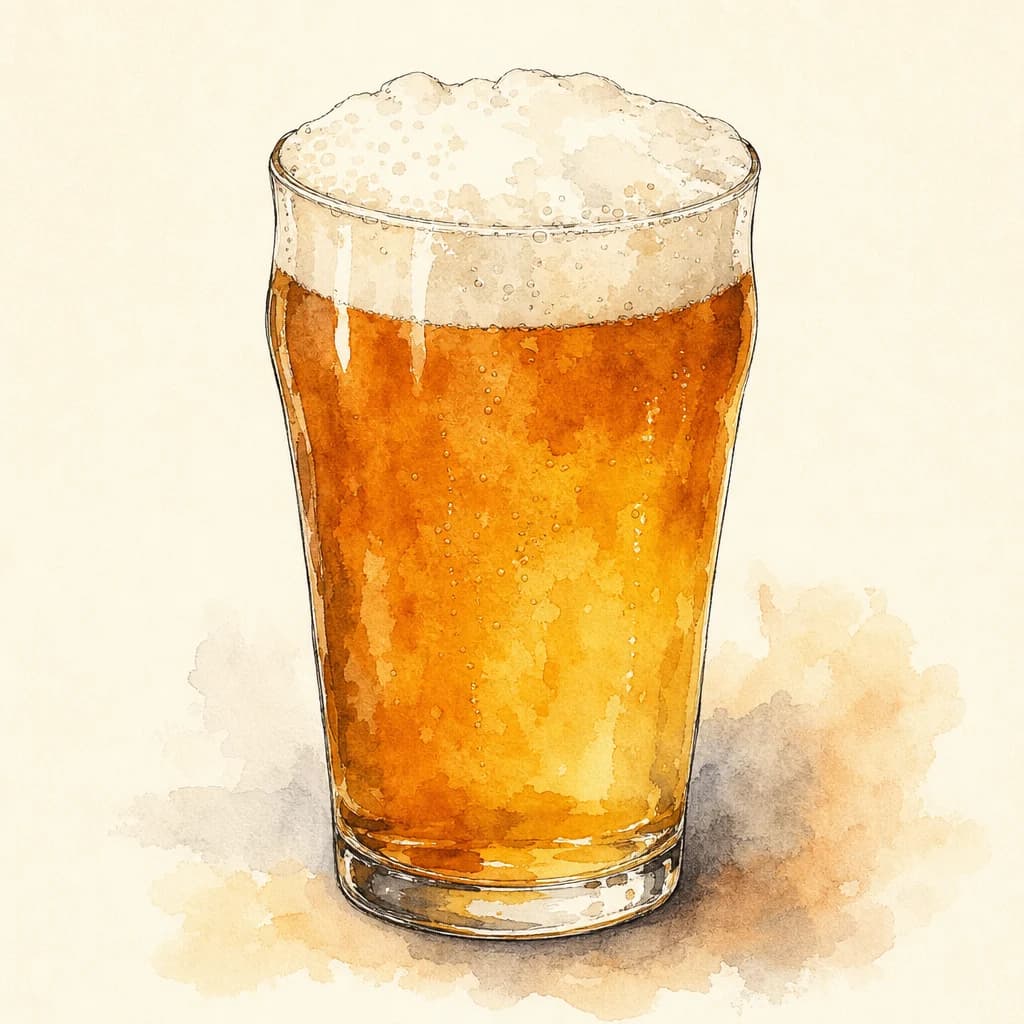
Bières nationales (SalvaVida, Imperial et Barena)
SalvaVida est la bière blonde hondurienne classique de type blonde avec du corps et du caractère depuis 1899 ; Imperial se distingue par son profil plus malté ; et Barena est l'option légère et dorée « facile à boire », parfaite pour étancher la chaleur des plages des Caraïbes.
Desserts traditionnels
Beignets au Miel
Le dessert par excellence pour Pâques et les fêtes nationales. Beignets traditionnels à base de pâte de maïs et de fromage sec cuits jusqu'à ce qu'ils soient grillés, qui sont cuits lentement dans un sirop dense et chaud de panela sucrée (rapadura) aromatisée à la cannelle et aux clous de girofle jusqu'à ce que toute la douceur soit absorbée.
Ayote au miel
Morceaux de citrouille sucrée à coque dure (« ayote ») cuits à feu très doux avec de l'eau, des blocs de pur sucre de canne rapadura et des bâtons de cannelle, jusqu'à ce que la pulpe acquière une couleur caramel foncé brillant et une texture miellée qui fond en bouche.
Comprimés en tissu de noix de coco
Bonbons traditionnels des Caraïbes fabriqués dans les communautés Garifuna en cuisant de la noix de coco fraîchement râpée avec de la cassonade foncée ou du lait concentré, du gingembre frais et de la cannelle, refroidis et coupés en blocs croustillants.
Atol de maïs à la cannelle
Boisson sucrée, chaude et réconfortante à la texture crémeuse obtenue en mélangeant des grains de maïs frais et tendres avec du lait entier, du sucre, une pincée de sel et un bâton de cannelle, servie chaude dans des bols ou des gourdes en argile.
Que voir par thème
Le Honduras abrite une extraordinaire richesse géographique et culturelle concentrée : du monde sous-marin des Caraïbes et des anciens vestiges mayas aux vallées montagneuses coloniales et aux jungles impénétrables.
Îles des Caraïbes, atolls et plongée de classe mondiale
Les îles Bay sont le paradis côtier par excellence. Roatán se distingue par ses plages de sable blanc de West Bay et ses centres de plongée ; Utila est la capitale des randonneurs en matière de plongée accessible et d'observation des requins baleines ; Guanaja séduit par sa tranquillité montagnarde et ses cascades ; et l'archipel protégé de Cayos Cochinos offre un sanctuaire écologique marin vierge de la surpopulation touristique.
Archéologie maya et civilisations préhispaniques
Le parc archéologique de Copán Ruinas est le centre névralgique du patrimoine historique, complété par le musée de sculpture maya (qui abrite la réplique grandeur nature du temple de Rosalila) et le site archéologique de Las Sepulturas. Dans la vallée de Sula, le parc archéologique de Los Naranjos permet d'explorer les routes mayas et lencas vieilles de plus de 3 000 ans au bord du lac.
Forêts tropicales humides, montagnes et écotourisme
Le parc national de Pico Bonito offre des cascades et des ponts suspendus au-dessus de la jungle ; le parc national de la Montaña de Celaque protège les forêts de nuages où couronne le Cerro Las Minas (2 870 m) ; et la Réserve de l'homme et de la biosphère du Río Plátano (UNESCO) à La Mosquitia constitue l'une des plus grandes zones de forêt tropicale vierge d'Amérique centrale.
Route coloniale, poterie Lenca et villes historiques
Gracias (Lempira) et Santa Rosa de Copán conservent des rues pavées, des églises baroques et des sources chaudes. Dans les villes de La Campa et San Manuel de Colohete, vous pourrez admirer d'imposants temples coloniaux avec des retables dorés et des ateliers familiaux de poterie traditionnelle Lenca en argile noire et orange.
Lacs, spéléologie et paysages intérieurs
Le lac Yojoa est l'épicentre des loisirs intérieurs avec des brasseries artisanales locales, des restaurants de poisson frit et du kayak. A quelques kilomètres de là, les grottes de Taulabé fascinent par leurs formations souterraines de stalactites illuminées, et la cascade Pulhapanzak offre une pure aventure sur la rivière Lindo.
Culture Garifuna vivante et plages de la côte nord
Tela Bay abrite le parc national Jeannette Kawas (Punta Sal) et le jardin botanique de Lancetilla (l'un des plus grands de la planète), ainsi que des villages historiques garifuna comme Triunfo de la Cruz et Tornabé, où vous pourrez profiter de danses traditionnelles au rythme des tambours Garawoun et de la cuisine afro-caribéenne.
Conseils de voyage
Devise et paiements (lempira et dollars américains)
La monnaie officielle est le lempira hondurien (HNL). Dans les îles de la Baie (Roatán et Útila) et à Copán Ruinas, le dollar américain (USD) en espèces est largement accepté dans les centres de plongée, les hôtels et les restaurants (les billets doivent être en parfait état, sans déchirures ni marques). Les cartes de crédit sont acceptées dans les zones touristiques et les supermarchés, mais il est essentiel d'avoir sur soi de l'argent liquide à Lempiras pour les motos-taxis, les stands de rue et les villages ruraux.
Transports, ferries et vols internes
Pour voyager vers les îles de la Baie depuis La Ceiba, il existe des ferries maritimes rapides et modernes (le Galaxy Wave pour Roatán et l'Utila Dream pour Útila). Pour voyager entre Tegucigalpa, San Pedro Sula, Roatán et Copán, il existe des compagnies aériennes locales avec des vols internes (CM Airlines et Aerolíneas Sosa) et des lignes de bus exécutifs confortables et sûres (comme Hedman Alas).
Sécurité et bon sens
Les principales destinations touristiques du Honduras (Copán Ruinas, Roatán, Útila, Cayos Cochinos, Lago de Yojoa et villes situées sur la route de Lenca) disposent d'une police touristique dédiée et sont sûres pour les voyageurs internationaux. Il est conseillé de faire preuve de bon sens : évitez de voyager de nuit par la route entre les grandes villes, utilisez les taxis recommandés par les hôtels de San Pedro Sula et de Tegucigalpa et n'exposez pas d'objets de grande valeur dans les zones très fréquentées.
Protection et santé des récifs
Le récif corallien hondurien est strictement protégé. Il est interdit de toucher le corail ou d'utiliser des crèmes solaires contenant des produits chimiques nocifs ; L'utilisation de crèmes solaires biodégradables (« Reef-Safe ») est obligatoire. Dans la jungle et dans les zones côtières, il est recommandé d'utiliser des répulsifs contre les moustiques et les moucherons (« phlébotomes » sur les plages), ainsi que de boire exclusivement de l'eau en bouteille ou purifiée.
Ce guide n'est que le point de départ pour plonger dans la magie débordante et authentique du Honduras. Du décryptage de l'histoire dans les pierres sacrées de Copán à la flottaison sur les récifs turquoise de Cayos Cochinos en passant par le trinquement avec un bon café de Marcala, ce pays vous surprendra à chaque instant par sa nature vierge et sa fierté Catracho. Planifiez vos itinéraires, laissez-vous emporter par le rythme des Caraïbes et préparez-vous à vivre une aventure inoubliable au cœur de l'Amérique centrale. Bienvenue au Honduras !
Chargement peut-être...
Avant de partir
Réponses rapides pour planifier votre voyage en toute confiance
- 35Sécurité
- 42Abordable
TripPlanner
Créez votre itinéraire parfait
Chargement...
Votre profil de voyageur
Découvrez votre style de voyage
Chargement...