


Guide de voyage général : l'essence sauvage et chaleureuse du Nicaragua
Le Nicaragua est une terre vivante où la force tellurique de la nature et la chaleur de ses habitants se fondent dans une expérience inoubliable. Surnommé à juste titre le « Pays des lacs et des volcans », ce coin d'Amérique centrale offre une authenticité difficile à trouver dans d'autres destinations touristiques : ici des volcans actifs glissent sur des planches de surf, des lacs d'eau douce abritent des îles volcaniques jumelles avec des requins bouledogue et des forêts de nuages, et les villes coloniales rivalisent de beauté et de fierté historique. De l'élégance pavée et baroque de Grenade à l'esprit poétique et révolutionnaire de León, en passant par les plages sauvages du Pacifique où le vent « perroquet » peigne les vagues toute l'année et l'éden caribéen sans voiture des îles du Maïs, le Nicaragua captive le voyageur par son énergie pure, sa musique marimba et une hospitalité qui vous fait sentir chez vous dès le premier instant.
Capital
Managua
Population
6.624.524
Langue
Espagnol
Sites du patrimoine de l'UNESCO
0

Indices de voyage
Scores basés sur des données réelles de 0 à 100
Le meilleur de Nicaragua
Expériences uniques
Faire un embarquement sur le volcan à Cerro Negro
Près de León se trouve le Cerro Negro, l'un des volcans les plus jeunes et les plus actifs d'Amérique centrale. Après une heure de marche en portant une planche de bois jusqu'au bord du cratère, les aventuriers enfilent une combinaison de protection et glissent, assis ou debout, sur la pente raide de graviers et de cendres volcaniques noires, atteignant des vitesses allant jusqu'à 70 km/h avec une vue panoramique sur la chaîne de montagnes de Maribios.
Explorez le paradis mystique de la rivière Ometepe
Émergeant des eaux de l'immense lac Cocibolca, Ometepe est une île sacrée en forme de huit formée par deux volcans : l'actif Concepción (1 610 m), au cône parfait, et l'éteint Maderas (1 394 m), recouvert d'une forêt de nuages avec une lagune dans son cratère. C'est un sanctuaire de biodiversité où vous pourrez pédaler entre des cascades comme celles de San Ramón, vous baigner dans la source naturelle d'Ojo de Agua et découvrir des pétroglyphes précolombiens.
Jetez un œil à la « gueule de l'enfer » du volcan Masaya
Le parc national du volcan Masaya est l'un des rares endroits au monde où l'on peut atteindre le bord d'un cratère actif en véhicule. À la tombée de la nuit, regarder dans le cratère Santiago permet de contempler la lueur hypnotique d'un lac de lave bouillonnant tandis que des centaines de chocoyos (perruches vertes) nichent sur les parois rocheuses, défiant les vapeurs sulfureuses.
Promenez-vous à travers les toits blancs de León et les couleurs de Grenade
Grenade séduit par son architecture coloniale impeccable, ses calèches et sa place animée au bord du lac ; tandis que León, la capitale intellectuelle du pays, éblouit avec ses peintures murales révolutionnaires et la majestueuse basilique-cathédrale de l'Assomption. Grimper pieds nus jusqu'à ses dômes blanchis à la chaux au coucher du soleil offre une vue inégalée sur la ville et la chaîne volcanique environnante.
Plongez dans la paix caribéenne de Little Corn Island
Située à environ 70 km de la côte caraïbe, Little Corn Island est un joyau tropical sans véhicules à moteur. Entourée de récifs coralliens regorgeant de requins nourrices, de raies aigles et de tortues marines, l'île vous invite à parcourir des chemins de terre au milieu des cocotiers, à vous reposer dans des hamacs devant des eaux turquoise cristallines et à savourer du homard frais dans des cabines de plage.
Aventurez-vous dans le canyon de Somoto
Près de la frontière avec le Honduras, la rivière Coco a sculpté depuis des millions d'années un imposant canyon avec des parois verticales de roche calcaire qui dépassent les 150 mètres de hauteur. Le voyage combine des promenades guidées, des sauts dans l'eau depuis des corniches rocheuses, des flottements sur des chambres à air et des sections de natation entre des gorges ombragées d'une extraordinaire beauté géologique.
Saveurs créoles, maïs sacré et tradition Pinolera
La gastronomie nicaraguayenne est abondante, savoureuse et profondément enracinée dans le maïs, héritage sacré des peuples indigènes mésoaméricains (d'où le surnom affectueux de « pinoleros »). Il se caractérise par la combinaison du maïs aux multiples textures, du porc mariné, des fromages artisanaux frais et frits, des salades de choux aigre-doux et l'omniprésence du Gallo Pinto à tout moment de la journée.
Le maïs comme âme et subsistance
Le maïs est le pilier absolu de la table nicaraguayenne : pâte pour tortillas chaudes cuites sur comal, base pour boissons aromatiques (pinolillo et chicha), épaississant pour ragoûts ancestraux et emballage pour nacatamales traditionnelles.
La culture de la « Fritanga »
Les fritangas sont des stands de nourriture de rue et des restaurants populaires qui prennent vie au crépuscule sur les trottoirs et dans les coins. Ils sont l'épicentre social pour déguster des viandes grillées au charbon de bois, des tranches croustillantes de plantain vert, du fromage frit, des plantains sucrés au fromage et du gallo pinto fraîchement préparé.
Plats Iconiques
Gallo Pinto
L'emblème national incontesté. Riz blanc et haricots rouges créoles frits ensemble dans une poêle avec de l'oignon, de l'ail et de l'huile jusqu'à ce que le grain prenne une couleur foncée brillante et une texture lâche, servi avec du fromage frit croustillant, une tortilla chaude et du plantain mûr.
Nacatamal
Le roi des petits déjeuners du dimanche. Pâte molle de maïs nixtamalisé assaisonnée de saindoux, de rocou et d'orange aigre, remplie de morceaux juteux de porc ou de poulet mariné, de riz, de tranches de pomme de terre, de tomate, d'oignon, de menthe et de pruneaux, enveloppée dans des feuilles de bananier et cuite à la vapeur pendant des heures.
Vigorón de Grenade
Le plat de rue le plus célèbre du pays, traditionnellement servi sur une feuille de bananier. Il se compose d'une base généreuse de yucca cuit tendre, recouvert de couenne de porc croustillante avec de la viande et surmonté d'une salade rafraîchissante de chou haché, de tomate et de piment avec du vinaigre de banane.
Quesillo
Spécialité typique de Nagarote et de La Paz Centro. Il s'agit d'une tortilla de maïs moelleuse et chaude qui enveloppe un fromage blanc élastique cuit dans de l'eau chaude, généreusement baigné d'oignons hachés marinés au vinaigre et beaucoup de crème sure fraîche de la ferme avec une pincée de sel, servie dans un sac en plastique.
Vieil indien
L'un des plus anciens ragoûts préhispaniques d'Amérique centrale. Fabriqué à partir de pâte de maïs dissoute dans un bouillon de viande, de bœuf râpé, d'orange aigre, de menthe fraîche abondante, de rocou, d'oignon et d'ail, cuit jusqu'à obtenir une texture de bouillie dense et très aromatique.
Baho
Plat de fête patiemment cuit à la vapeur toute la nuit dans une grande marmite scellée de feuilles de bananier. Il contient des couches de bœuf séché au soleil (« cecina »), de plantain vert, de plantain mûr et sucré et de manioc, servi chaud avec une salade de chou aigre et des piments.
Boissons typiques
Pinolillo et Tiste
Les boissons traditionnelles au maïs par excellence. Le pinolillo est fait de maïs blanc grillé moulu avec du cacao et des épices (cannelle et poivre de Cayenne), mélangé avec de l'eau froide ou du lait et sucré au goût. Le goût ajoute une touche plus sucrée et une texture dense.
Rhum Flor de Caña
L'un des rhums vieux les plus primés au monde, produit de manière durable à Chichigalpa, au pied du volcan San Cristóbal. Il est fabriqué à partir de canne à sucre locale et vieilli en fûts de bourbon en chêne blanc sans sucres ajoutés.
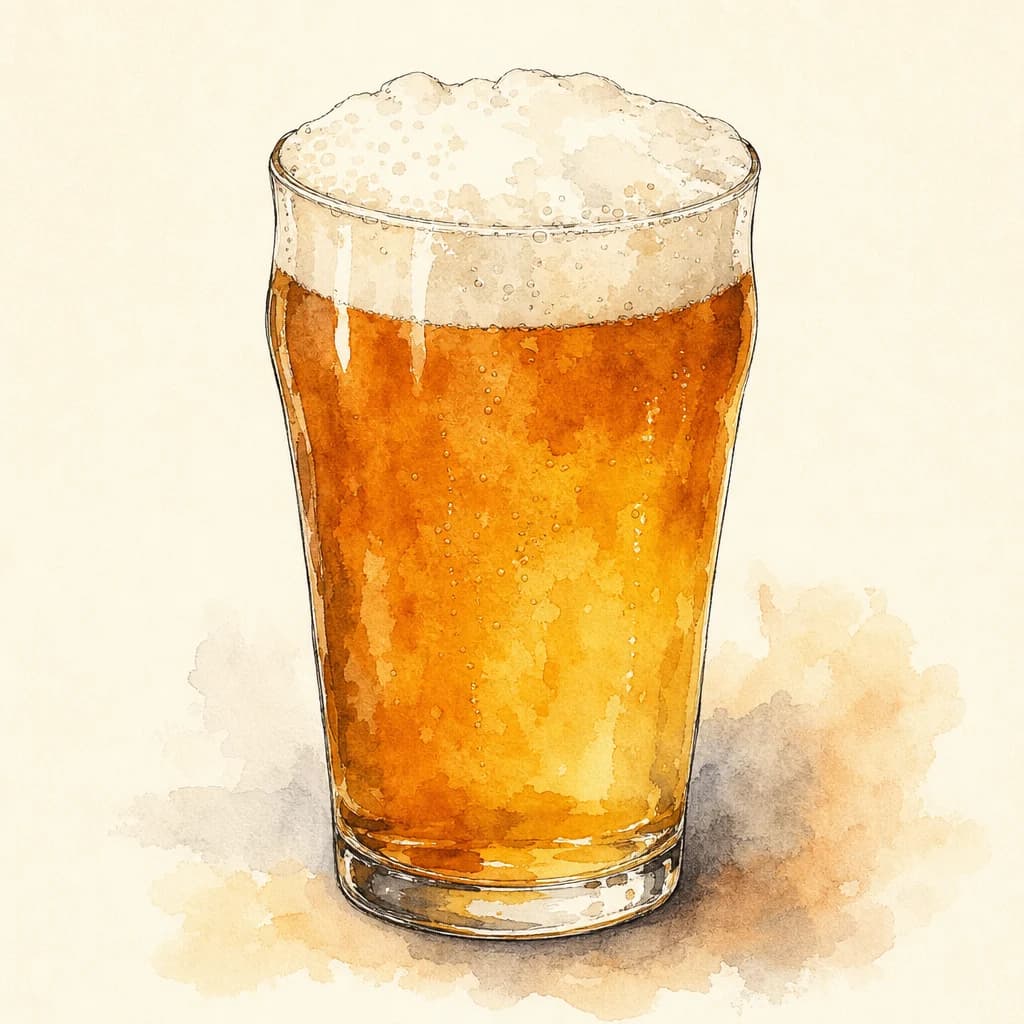
Bière Toña
La bière blonde nationale la plus populaire du Nicaragua. Léger, doux et extraordinairement rafraîchissant, il est le compagnon préféré des chaudes après-midi du Pacifique et des plages de surf.
Cacao frais au lait
Boisson froide délicieuse et réconfortante préparée en cuisant et en moulant des fèves de cacao créoles avec de la cannelle, mélangées à du lait frais froid, une pincée de sucre de canne et beaucoup de glace.
Desserts traditionnels
Tres Leches nicaraguayens
Gâteau léger et moelleux entièrement baigné d'un mélange crémeux de lait concentré, lait concentré et crème de lait frais, recouvert d'une couche de meringue moelleuse grillée et d'une cerise rouge.
Beignets de Yuca au Miel Panela
Sphères frites croustillantes et dorées à l'extérieur et tendres à l'intérieur, à base de manioc frais râpé mélangé à du fromage blanc créole salé, servies immergées dans un sirop chaud de panela (doux de rapadura) parfumé à la cannelle.
Perrerreque (Chose du four)
Pain sucré cuit au four rustique à base de pâte de maïs sucrée, de fromage artisanal salé râpé, de beurre, de sucre de canne et d'une touche de cannelle, avec une texture dense et une saveur sucrée-salée.
Cajetas artisanales
Des friandises traditionnelles fabriquées dans des casseroles en cuivre en réduisant le lait avec du sucre, ou des fruits locaux patiemment cuits comme la cajeta à la noix de coco, la cajeta au lait, la cajeta à la papaye ou la pâte de zapoyol.
Que voir par thème
Le Nicaragua offre une énorme richesse géographique et culturelle : des volcans actifs accessibles et des villes coloniales aux jungles vierges, aux côtes de surf du Pacifique et aux îles de rêve des Caraïbes.
Volcans actifs et aventure extrême
La Sierra de Maribios offre des défis uniques : descendre le Cerro Negro sur une planche ; observez la lave incandescente au volcan Masaya ; montez le volcan actif Telica pour camper au bord du cratère; ou escaladez le volcan Momotombo, gardien emblématique des rives du lac Xolotlán.
Joyaux coloniaux et histoire : Grenade et León
Grenade éblouit avec son église de La Merced, son couvent San Francisco et ses promenades en calèche. León, berceau universitaire et culturel, séduit par ses églises baroques, le tombeau de Rubén Darío dans sa cathédrale classée au patrimoine mondial et son musée d'art de la Fondation Ortiz-Gurdián, l'une des collections d'art les plus précieuses d'Amérique centrale.
Le Grand Lac Cocibolca et les îles volcaniques
Le lac Nicaragua est le plus grand d'Amérique centrale. L'île d'Ometepe propose de l'écotourisme entre cascades et volcans jumeaux ; Les Isletas de Granada permettent de faire du kayak entre de petites îles tropicales habitées par des singes et des oiseaux ; et l'archipel isolé du Solentiname inspire avec ses communautés de peintres primitivistes et d'artisans du bois de balsa.
Surf de classe mondiale et côte du Pacifique
San Juan del Sur est la Mecque côtière du sud, célèbre pour le Cristo de la Misericordia et sa vie nocturne. Autour d'elle, des plages vierges comme Playa Maderas, Popoyo, Playa Hermosa et Colorado reçoivent des vents constants vers la mer (offshore) plus de 300 jours par an, les transformant en temples mondiaux du surf.
Les Caraïbes authentiques et les îles du Maïs
Dans la mer des Caraïbes, Big Corn et Little Corn Island offrent un contraste culturel afro-caribéen entre langue créole anglaise et plages désertes parfaites comme une carte postale. Sur la côte continentale, Bluefields et la réserve biologique Indio Maíz protègent les forêts tropicales primaires habitées par des jaguars, des tapirs et des communautés autochtones Rama et Kriol.
Montagnes du Nord et routes du café
Matagalpa et Jinotega offrent un climat montagnard frais, des cascades comme La Cascada Blanca et des visites de plantations de café biologiques cultivées à l'ombre. Plus au nord, Madriz abrite le magnifique canyon de Somoto et des ateliers de beignets traditionnels à Somoto et Yalagüina.
Conseils de voyage
Monnaie et double circulation (Córdoba et USD)
La monnaie officielle est le Cordoba nicaraguayen (NIO). Les dollars américains (USD) en espèces sont universellement acceptés dans la plupart des hôtels, restaurants, ferries et activités touristiques (il est crucial que les billets ne comportent ni déchirures ni timbres). Les cartes de crédit sont acceptées dans les grandes villes, mais pour voyager à Ometepe, aux îles du Maïs ou dans les zones rurales, il est essentiel d'avoir suffisamment d'argent liquide sur soi.
Transports internes, « Chicken Buses » et ferries
Pour les déplacements économiques entre les villes, des bus nord-américains à la décoration traditionnelle (« chicken bus ») ou des fourgonnettes express (« interlocals ») sont utilisés. Pour vous rendre à Ometepe, vous prenez le ferry régulier depuis le port de San Jorge jusqu'à Moyogalpa ou San José del Sur. Pour se rendre aux îles du Maïs, le plus confortable est de prendre un avion local (La Costeña) de Managua à Big Corn et de traverser jusqu'à Little Corn en bateau (« panga »).
Sécurité et hospitalité Pinolera
Le Nicaragua est historiquement l’un des pays où les taux de crimes violents sont les plus faibles de la région d’Amérique centrale. Les Nicaraguayens sont connus pour leur gentillesse altruiste et leur traitement respectueux envers les visiteurs. Comme pour tout voyage, il est recommandé de prendre des précautions de bon sens dans les gares routières de Managua et d'éviter de marcher la nuit dans les zones mal éclairées.
Climat et vents Papagayo
La côte Pacifique est généralement chaude et ensoleillée (28-34°C). Entre décembre et mars, les alizés (« vents perroquets ») soufflent fort, idéaux pour surfer et se rafraîchir les après-midi, mais ils peuvent mordre les vagues lors de la traversée du lac Cocibolca en bateau vers Ometepe ou entre les îles du Maïs.
Ce guide est votre porte d'entrée vers l'un des pays les plus fascinants, polyvalents et accueillants du continent américain. De l'adrénaline de glisser dans les cendres d'un volcan noir au silence réparateur des plages turquoise de Little Corn Island en passant par le charme nostalgique de ses rues coloniales, le Nicaragua vous captivera par sa force et son authenticité. Planifiez vos itinéraires sans vous presser, laissez-vous entourer par la musique du marimba et préparez-vous pour une aventure inoubliable. Bienvenue au Pays des Lacs et des Volcans !
Chargement peut-être...
Avant de partir
Réponses rapides pour planifier votre voyage en toute confiance
- 52Sécurité
- 35Abordable
TripPlanner
Créez votre itinéraire parfait
Chargement...
Votre profil de voyageur
Découvrez votre style de voyage
Chargement...