

Guide de voyage général : Le paradis océanique immaculé des Palaos
Palau est l'expression maximale de la pureté et de la majesté marines sur notre planète. Situé au cœur du Pacifique occidental, cet archipel micronésien émerge des eaux cristallines tel un Eden intact où le vert émeraude de la jungle se confond avec toutes les nuances imaginables de bleu turquoise. Reconnues internationalement pour avoir créé le premier sanctuaire de requins au monde et pour avoir exigé que chaque visiteur s'engage par écrit à respecter l'environnement dans son passeport, Palau n'est pas seulement une destination de plongée de classe mondiale ; C'est un temple vivant de la biodiversité. Ici vous nagez parmi des millions de méduses ayant perdu leur pouvoir piqueur dans un lac isolé dans le temps, vous survolez des îlots calcaires qui ressemblent à des champignons flottants dans la mer et vous découvrez des vestiges de la Seconde Guerre mondiale engloutis par la jungle. Un voyage à Palau est une immersion émouvante dans le respect ancien de l'océan et la chaleur hospitalière d'une ancienne culture matriarcale.
Capital
Ngerulmud
Population
18.094
Langue
PAU, Anglais
Sites du patrimoine de l'UNESCO
0
Indices de voyage
Scores basés sur des données réelles de 0 à 100
Le meilleur de Palaos
Expériences uniques
Nagez parmi les méduses dorées au lac Jellyfish
Situé sur l'île d'Eil Malk, le lac aux Méduses (Ongeim'l Tketau) est un lac marin isolé il y a plus de 12 000 ans. Ses eaux abritent des millions de méduses dorées (*Mastigias papua etpisoni*) qui, dépourvues de prédateurs naturels, ont évolué en perdant pratiquement la capacité de piquer. Faire de la plongée en apnée pendant que des milliers de méduses palpitent autour de vous en suivant la lumière du soleil est l'une des expériences sous-marines les plus paisibles et surréalistes de la planète.
Plongée extrême à Blue Corner et dans la Manche allemande
Blue Corner est considéré par les plongeurs du monde entier comme l'un des meilleurs spots de plongée de la planète. Accrochés à la paroi récifale au moyen d'un hameçon, les plongeurs observent, suspendus, le défilé incessant de dizaines de requins gris de récif, de gigantesques bancs de barracudas, de chinchards et de tortues imbriquées. Dans la Manche allemande voisine, des stations de nettoyage attirent des raies manta océaniques géantes se nourrissant de plancton.
Plongez dans la boue blanche de la Voie Lactée
Milky Way est une crique abritée entre les îles Rocheuses où le fond marin est recouvert d'une boue calcaire volcanique blanche extrêmement fine. Les guides locaux plongent pour extraire la boue du fond, avec laquelle les voyageurs couvrent entièrement leur corps comme un gommage et un masque minéral avant de sauter dans les eaux chaudes turquoise pour se rincer.
Explorez les champs de bataille historiques de Peleliu
L'île Peleliu a été le théâtre de l'une des batailles les plus sanglantes du Pacifique pendant la Seconde Guerre mondiale en 1944. La visite de l'île avec un guide local révèle des chars Sherman rouillés parmi la végétation, des avions abattus, des canyons côtiers cachés dans des grottes rocheuses et l'émotionnel monument de la paix sur Bloody Nose Ridge, où la nature a guéri les traces de l'histoire.
Faites du kayak à travers le labyrinthe des îles Rock
Les plus de 400 îles et îlots de calcaire corallien de Chelbacheb ont des bases érodées par l'eau qui leur donnent une forme caractéristique de champignon. Glisser dans un kayak de randonnée dans un silence absolu permet de pénétrer dans des tunnels marins, des criques cachées aux eaux couleur jade inaccessibles aux bateaux à moteur et des grottes aux stalactites où nichent les oiseaux marins tropicaux.
Découvrez les maisons et monolithes traditionnels « Bai » à Babeldaob
Babeldaob est la plus grande île des Palaos. Un authentique « Bai », une maison de rassemblement communautaire vieille de plusieurs siècles, entièrement construite en bois de bwaik sans clous, avec des toits de chaume abrupts et des façades richement peintes de motifs géométriques et de légendes tribales, est préservée dans le village d'Airai. Au nord, les 52 monolithes mégalithiques de pierre de Badrulchau continuent de renfermer le mystère des anciens bâtisseurs micronésiens.
Saveurs du Pacifique, racines micronésiennes et fraîcheur marine
La cuisine des Palaos est un véritable reflet de son environnement insulaire et de son héritage micronésien, enrichi au fil des décennies par de subtiles influences japonaises, philippines et américaines. Il est à base de produits marins les plus purs (thon albacore, vivaneau rouge, poisson perroquet, crabes de mangrove et crustacés) associés à des légumes racines traditionnels comme le taro et le manioc, du lait de coco frais, des fruits tropicaux et des marinades d'agrumes.
Taro (Kukau) comme aliment sacré
Le taro n'est pas seulement la plante de base, mais aussi le cœur de la culture et de la structure matrilinéaire des Palaos. Sa culture en terrasses humides est un savoir ancestral transmis de mères en filles, considéré dans tous les banquets communautaires comme un symbole de richesse, de fertilité et de prestige social.
Fraîcheur Directement de l'Océan
Le poisson est généralement consommé quelques heures après sa capture. Qu'il soit cru en fines tranches avec du soja et du calamansi (influence japonaise du sashimi), rôti entier sur des charbons ardents enveloppés de feuilles vertes ou cuit lentement dans du lait de coco aromatique, le produit marin se distingue par sa pureté.
Plats Iconiques
Poisson de récif grillé dans une feuille de bananier
Vivaneau rouge, mérou ou perroquet fraîchement pêché, mariné avec de l'ail émincé, du gingembre frais, du jus de citron vert calamansi et de la sauce soja, enveloppé dans de tendres feuilles de bananier et grillé lentement sur des charbons de noix de coco pour conserver tous ses jus naturels.
Soupe de taro et de poisson (Kukau ra Ngikel)
Ragoût traditionnel et réconfortant cuit dans un pot en argile, combinant de tendres morceaux de racine de taro violet ou blanc cuits dans un bouillon léger avec des filets de poisson frais, des feuilles de taro vertes tendres, du gingembre et du lait de coco crémeux.
Crabe de mangrove avec sauce à la noix de coco et à l'ail
Gros crabes de mangrove pêchés dans les estuaires de Babeldaob, cuits à la vapeur et sautés dans une poêle avec du lait de coco frais concentré, beaucoup d'ail écrasé, du gingembre et une pincée de piment fort, servis avec du riz blanc ou du manioc bouilli.
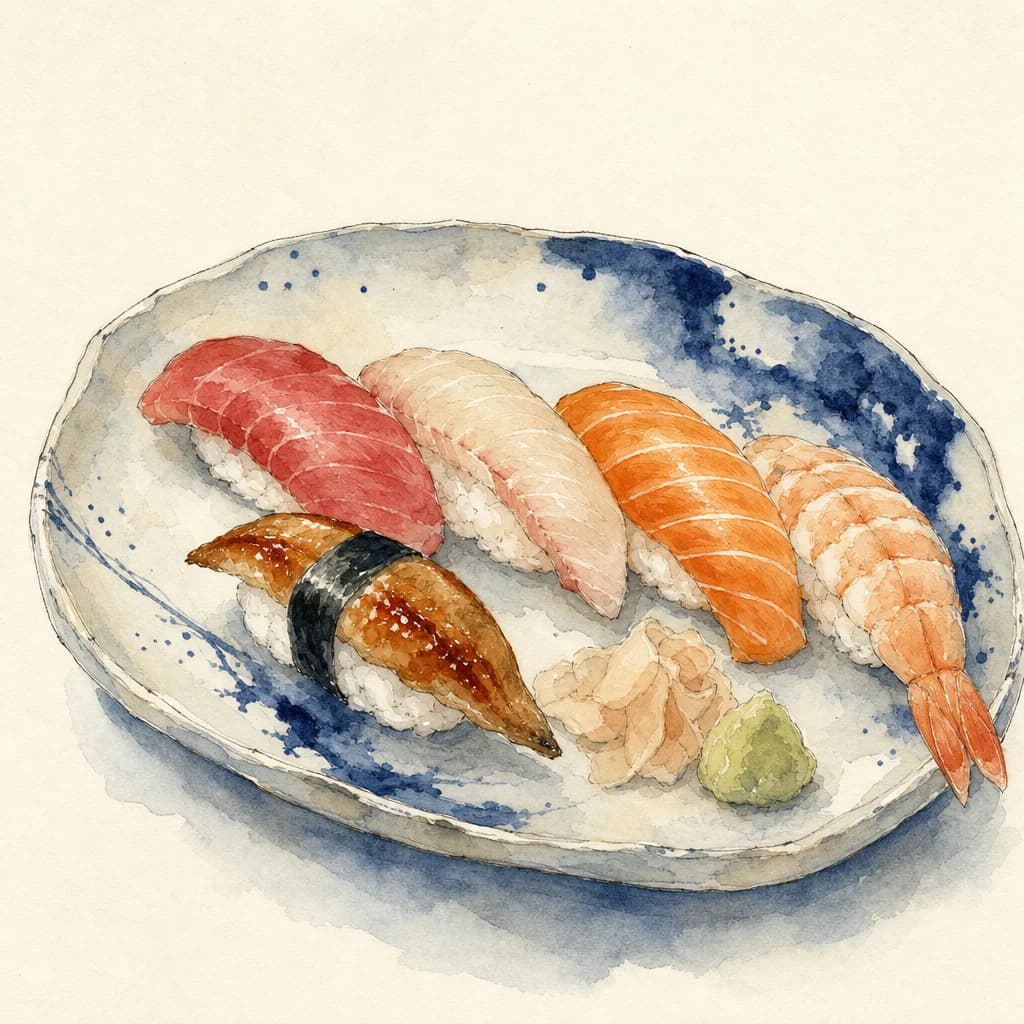
Poke et sashimi à la palaosienne
Cubes de thon rouge frais ou de voilier marinés sur commande avec du jus de citron vert calamansi, de la sauce soja, de l'huile de sésame, de l'oignon doux haché, du gingembre et des algues locales croquantes, un témoignage de l'héritage culinaire japonais sur les îles.
Tama (beignets traditionnels des Palaos)
Le snack sucré et de rue le plus populaire des îles. De petites sphères de pâte à base de farine, de sucre de canne et de levure, frites dans de l'huile chaude jusqu'à ce qu'elles soient dorées et croustillantes à l'extérieur et extraordinairement spongieuses et tendres à l'intérieur.
Tinola à la Palau
Soupe maison copieuse du patrimoine philippin adoptée par les ménages locaux, composée de morceaux de poulet fermier ou de poisson cuits lentement avec des tranches de papaye verte tendre, des tranches de gingembre frais et des feuilles d'épinards d'eau (« kangkong »).
Boissons typiques
Eau de coco fraîche (Nu)
La boisson naturelle par excellence des îles. La noix de coco verte fraîchement extraite du palmier est ouverte pour boire son eau fraîche, riche en électrolytes, puis la pulpe gélatineuse intérieure est dégustée avec une cuillère de noix de coco.

Bière artisanale au coq rouge
La seule microbrasserie primée des Palaos, fondée à Koror. Elle fabrique des bières artisanales non filtrées à partir d'eau de pluie pure et de malts sélectionnés, notamment la Red Rooster Amber Ale et la Light Mango Lager.
Jus de Calamansi et Fruits Tropicaux
Jus rafraîchissant obtenu en pressant du calamansi frais (un petit agrume aromatique indigène avec une légère acidité) mélangé à de l'eau froide, de la glace et une touche de miel de mangrove sauvage ou de sucre de canne.
Thé Belau et Feuille de Noni
Infusion traditionnelle d'herbes médicinales locales et de feuilles séchées au soleil, très appréciée des vieilles femmes des villages pour ses propriétés antioxydantes et purifiantes reconnues.
Desserts traditionnels
Bilum
Le dessert festif par excellence des Palaos. Pâte sucrée obtenue à partir de manioc ou de taro finement râpé, mélangée à de la cassonade et du lait de coco épais, bien enveloppée dans des feuilles de bananier et patiemment bouillie jusqu'à ce qu'elle acquière une consistance gélatineuse et aromatique.
Pudding au tapioca et à la noix de coco
Perles de tapioca fraîches cuites lentement dans du lait de coco pur avec des feuilles de pandan, de la vanille et du sucre de canne, servies froides dans des coques de noix de coco polies.
Fruits tropicaux de saison
Le dessert incontournable du quotidien : des papayes locales à la chair orange intensément sucrée, des bananes naines sucrées, des fruits à pain bien mûrs et des mangues d'eau fraîchement tombées de l'arbre.
Glace artisanale au taro
Glace onctueuse au lilas naturel à base de purée de racine de taro cuite, de crème de lait frais et de lait de coco, très appréciée dans les cafés et restaurants de Koror.
Que voir par thème
Palau offre un sanctuaire écologique et culturel inégalé : des paysages marins karstiques uniques et des lits de coraux remplis de pélagiques aux vestiges préhistoriques et jungles vierges.
Les îles Rocheuses (Chelbacheb) et le lagon sud
Classées au patrimoine mondial de l'UNESCO, les îles Rocheuses abritent plus de 50 lacs marins isolés, des formations calcaires couvertes de forêts tropicales et des merveilles comme la grotte de stalactites de Chandelier Cave, où les plongeurs peuvent émerger dans quatre chambres à air souterraines.
Sanctuaires de plongée Elite et pélagiques
Palau est un paradis sous-marin pionnier. Des enclaves telles que Blue Holes (quatre puits verticaux descendant dans une caverne colossale), Siaes Tunnel, Ulong Channel (célèbre pour ses jardins de coraux de laitue et ses requins gris) et Shark City offrent des rencontres inoubliables avec la faune marine dans des courants cristallins.
Babeldaob : Cascades, nature et Capitole
La grande île de Babeldaob surprend avec la cascade de Ngardmau (accessible après une randonnée dans la jungle ou en tyrolienne), le Palau Capitol Monument à Ngerulmud (une structure monumentale néoclassique construite au milieu de collines verdoyantes face à la mer) et les terrasses agricoles préhistoriques de Melekeok.
Histoire de la guerre et sanctuaires à Peleliu et Angaur
L'île Peleliu conserve un impressionnant musée historique en plein air avec des grottes défensives, des bunkers en béton et des monuments commémoratifs rendant hommage aux troupes tombées au combat. Plus au sud, la petite île d'Angaur offre des plages sauvages de surf en pleine mer et des colonies de singes macaques introduites au XIXème siècle.
Le paradis isolé de l'atoll de Kayangel
Situé à la pointe nord de Palau et accessible uniquement par bateau les jours de mer calme, Kayangel est un atoll corallien presque vierge composé de quatre îles avec un anneau de sable blanc éblouissant, des palmiers penchés sur la mer et un lagon turquoise aux eaux peu profondes peuplé de tortues et d'oiseaux marins.
Koror : centre urbain, aquariums et ateliers de storyboard
Koror est le cœur commercial et touristique du pays. Il abrite le musée national de Belau (le plus ancien de Micronésie), le musée Etpison (avec des expositions de pirogues traditionnelles et de vêtements en coquillages) et le Centre international des récifs coralliens de Palau (PICRC), doté d'un aquarium dédié à la recherche sur les coraux.
Conseils de voyage
L'engagement des Palaos et la protection des récifs
À leur entrée dans le pays, tous les visiteurs doivent signer un cachet apposé sur leur passeport s'engageant solennellement envers les enfants des Palaos à ne pas nuire à l'environnement, à ne pas toucher aux coraux ou à la vie marine, à ne pas ramasser de coquillages et à ne pas jeter de déchets. De plus, les Palaos interdisent strictement par la loi l'importation et l'utilisation de crèmes solaires contenant des produits chimiques toxiques pour les récifs (tels que l'oxybenzone ou l'octinoxate) ; Seule l'utilisation de protecteurs 100 % biodégradables et sûrs (« Reef-Safe ») est autorisée.
Permis environnementaux pour les îles Rock et le lac Jellyfish
Pour faire du bateau, nager ou plonger dans les zones protégées de l'État de Koror, il est obligatoire d'acheter à l'avance des laissez-passer touristiques gouvernementaux (le « permis des îles Rocheuses » standard pour 50 USD ou le pass incluant le lac Jellyfish pour 100 USD, tous deux valables 10 jours). Ces permis sont généralement obtenus auprès de centres de plongée agréés et de voyagistes.
Devise et paiements (dollar américain)
La monnaie officielle ayant cours légal aux Palaos est le dollar américain (USD). Les principales cartes de crédit (Visa et Mastercard) sont acceptées dans les hôtels, les grands restaurants et les centres de plongée de Koror, mais il est essentiel d'avoir sur soi suffisamment d'argent liquide pour payer les éco-permis, les achats dans les petites entreprises locales, les taxis et les excursions vers des îles isolées comme Peleliu ou Kayangel.
Transport et conduite
La conduite se fait du côté droit de la route, bien que la plupart des véhicules importés du Japon aient la conduite à droite. Il n'existe pas de réseau de transports publics urbains formel à Koror, les déplacements se font donc en taxi avec des tarifs fixes par zone ou en louant une voiture pour parcourir la grande île de Babeldaob via la route périphérique « Compact Road ».
Ce guide est votre passeport pour l’un des sanctuaires écologiques les plus éblouissants et protégés de la planète. Palau vous émerveillera par la sérénité de ses eaux turquoise, la beauté bouleversante de ses méduses dorées et la sagesse d'un peuple ancien qui a montré au monde entier comment vivre en parfaite harmonie avec l'océan. Planifiez vos plongées à l'avance, honorez votre signature sur le « Palau Pledge » avec votre cœur et préparez-vous pour une expédition inoubliable au cœur immaculé de la Micronésie. Alii me ko meral ma sulang (Bienvenue et merci beaucoup) !
Chargement peut-être...
Explore Regions of Palaos
Discover the most beautiful regions and plan your perfect trip
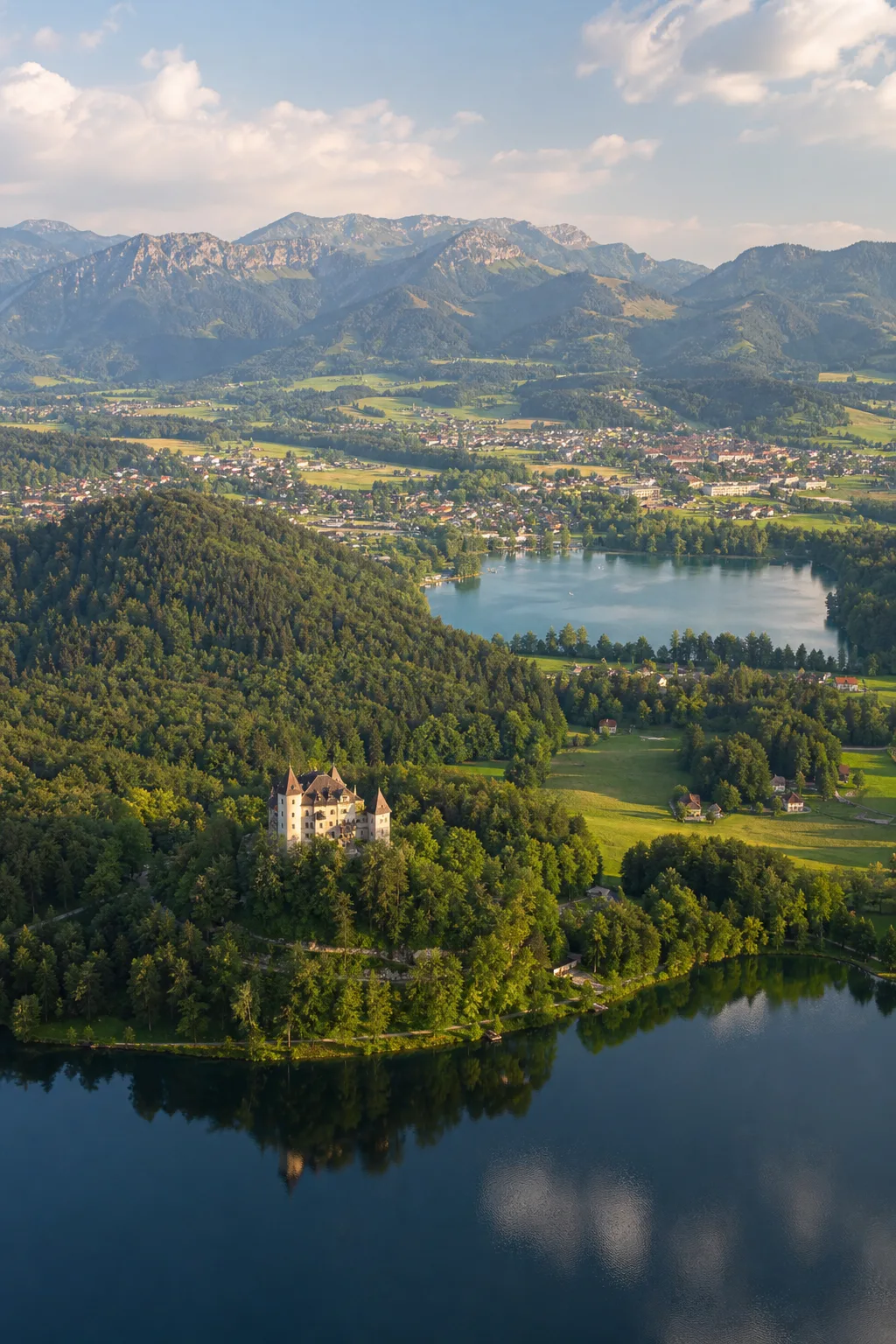
Babeldaob Island
Babeldaob Island offers distinctive landscapes, culture and experiences in Palaos.
Kayangel
Kayangel offers distinctive landscapes, culture and experiences in Palaos.
Koror
Koror offers distinctive landscapes, culture and experiences in Palaos.
Peleliu
Peleliu offers distinctive landscapes, culture and experiences in Palaos.
Avant de partir
Réponses rapides pour planifier votre voyage en toute confiance
Pourquoi cette destination
- Destination sûre : indice 90/100.
- 90Sécurité
- 85Abordable
Styles de voyage
Classements liés
Collections et routes
 90Villes les plus sûres d’EuropeDestinations où voyager plus sereinement.
 85Destinations les moins chères en EspagneVilles espagnoles où le budget va plus loin sans sacrifier l’expérience.
- 85Destinations les moins chères en EuropeVilles les plus abordables pour voyager sans sacrifier l’expérience.
 90Voyage en famille
 85Voyage petit budget
TripPlanner
Créez votre itinéraire parfait
Chargement...
Votre profil de voyageur
Découvrez votre style de voyage
Chargement...