

Guide de voyage général : Le Sacré-Cœur de la Polynésie aux Samoa
Les Samoa sont l'âme vivante et indomptée du Pacifique Sud. Considéré comme le berceau où est née la culture polynésienne il y a plus de trois millénaires, cet archipel volcanique éblouit pour avoir protégé son identité ancestrale avec une dignité et une fierté inébranlables. Ici, pas de gigantesques chaînes hôtelières qui privatisent la côte ; Les plages appartiennent aux villages et le voyageur dort dans des « fales » en bois ouvertes devant des récifs cristallins, bercé par la brise marine. Depuis la tranchée marine à couper le souffle de To Sua, où l'eau turquoise de l'océan s'infiltre à travers des tunnels de lave sous une canopée de fougères géantes, jusqu'aux cascades tonitruantes d'Upolu et aux plaines volcaniques désertes de Savai'i, Samoa est un voyage vers la pureté. Une destination où le salut « Talofa » ouvre les portes des maisons communautaires et où le respect de la famille, de la terre et de la mer se transforme chaque jour en une leçon de sérénité et d'harmonie.
Capital
Apia
Population
198.414
Langue
SM, Anglais
Sites du patrimoine de l'UNESCO
0
Indices de voyage
Scores basés sur des données réelles de 0 à 100
Le meilleur de Samoa
Expériences uniques
Plongez dans la fosse océanique de To Sua
Située sur la côte sud d'Upolu, To Sua (« Big Hole ») est une piscine naturelle de 30 mètres de profondeur formée par l'effondrement d'un ancien tube de lave volcanique relié à la mer. Descendre son escalier raide en bois jusqu'à une plate-forme flottante vous permet de nager dans des eaux émeraude transparentes entourées de parois rocheuses couvertes de vignes tropicales et de poissons colorés qui arrivent avec la marée.
Dormir sur un Fale de plage traditionnel à Lalomanu
Séjourner dans un « Beach Fale » (hutte samoane traditionnelle en bois et au toit de chaume, sans murs, avec des stores en feuilles de palmier qui s'abaissent la nuit) est l'expérience samoane déterminante. A Lalomanu Beach, se réveiller aux aurores sur le sable blanc avec vue sur la barrière de corail et l'îlot inhabité de Namua permet de vivre la vie polynésienne la plus pieds nus et la plus libre.
Regardez les noix de coco voler aux évents d'Alofaaga à Savai'i
Au sud-ouest de l'île sauvage de Savai'i, la houle du Pacifique s'écrase avec une force colossale contre les falaises de basalte, canalisant l'eau à travers d'anciens tubes de lave sous-marins. La pression projette dans le ciel de gigantesques geysers d’eau salée de plus de 30 mètres de haut ; Les villageois locaux jettent des noix de coco dans les trous pour qu'elles tirent avec la force d'un canon naturel.
Explorez les ruines volcaniques du champ de lave de Saleaula
Entre 1905 et 1911, l’éruption du volcan Matavanu ensevelit plusieurs villages sous une rivière de lave noire qui se dirigeait lentement vers la mer. Aujourd'hui, marcher sur ces coulées ondulantes de basalte pétrifié permet de visiter les ruines de l'église du LMS (dont la structure en pierre a survécu à la lave qui est entrée par la porte) et le mythique « Tombeau de la Vierge », un cimetière que la lave entourait sans toucher.
Visitez la résidence de Robert Louis Stevenson à Vailima
Le célèbre auteur de « L'Île au trésor » a passé les dernières années de sa vie aux Samoa, où il était surnommé avec révérence « Tusitala » (le conteur). Sa belle demeure coloniale en bois à Vailima, entourée de jardins botaniques, est aujourd'hui un musée qui conserve ses affaires, ses livres et sa cheminée ; de là, un chemin monte la colline du mont Vaea jusqu'à sa tombe en bord de mer.
Vivez l'émotion d'une nuit Fiafia et de la danse du feu
Une « Fiafia Night » est une grande fête communautaire polynésienne où les traditions samoanes sont célébrées. Après avoir profité d'un banquet cuit dans le four souterrain « Umu », les guerriers exécutent la « Siva Afi » (danse du couteau de feu), faisant tourner des machettes enveloppées de feu à une vitesse vertigineuse au rythme martial des tambours « Pātē », complété par l'élégance gracieuse des danseurs « Siva Samoa ».
Saveurs de four Umu, crème de noix de coco fraîche et fruits du récif
La cuisine samoane est saine, copieuse et profondément communautaire, à base de produits frais récoltés dans les vergers volcaniques et pêchés sur le récif. Il s'articule autour de l'utilisation indispensable de la crème de coco fraîche (« Pēpē »), du taro (« Talo »), du fruit à pain (« Ulu »), du poisson cru mariné et de l'ancienne technique du four souterrain en pierre volcanique (« Umu »).
Le four traditionnel en terre (Umu)
L'umu est la méthode de cuisine sacrée des Samoa, traditionnellement allumée chaque dimanche par les jeunes hommes du village (« Aumaga »). Des pierres volcaniques sont chauffées sur le feu d'une coquille de noix de coco, des aliments enveloppés dans des feuilles de bananier sont placés dessus et recouverts de feuilles vertes afin qu'ils soient cuits à la vapeur pendant des heures avec un arôme de fumée incomparable.
Noix de coco (Niu) et feuilles de taro (Lu'au)
La chair de noix de coco mûre est râpée chaque matin et pressée à la main à travers les fibres de noix de coco pour obtenir une crème dense et sucrée qui enrobe presque tous les plats, en particulier les jeunes feuilles de taro cuites jusqu'à ce qu'elles soient tendres comme du beurre.
Plats Iconiques
Oka I'a (Poisson Oka)
Le plat emblématique incontesté des Samoa. Des cubes de thon ou d'espadon fraîchement pêchés, marinés brièvement dans du jus de citron vert fraîchement pressé, mélangés avec beaucoup de crème de coco fraîche et épaisse, des dés de concombre, de l'oignon nouveau haché, de la tomate et une touche de piment frais, servis froids dans une demi-noix de coco.
Palusami
L'un des plus grands délices culinaires de Polynésie. De jeunes feuilles de taro tendres remplies d'une épaisse crème de coco, d'oignons hachés et souvent de bœuf salé (ou simplement de légumes), enveloppées en couches formant un paquet de feuilles de bananier et cuites au four Umu jusqu'à ce que la crème prenne comme une crème anglaise savoureuse.
Talo et 'Ulu al Umu
L'accompagnement de base du régime quotidien samoan : des racines de taro entières pelées et des fruits à pain mûrs rôtis directement sur les pierres volcaniques chaudes du four Umu jusqu'à ce que l'extérieur soit légèrement grillé et l'intérieur doux et avec une délicate saveur de noisette.
Supasui (Chop Suey samoan)
Plat de fête très populaire du patrimoine chinois complètement intégré à la culture locale. Nouilles en verre de riz ou de haricot mungo mijotées avec des morceaux de bœuf ou de poulet tendres marinés dans de la sauce soja, du gingembre frais râpé, de l'ail, de l'oignon et une touche sucrée.
Pisupo au chou (corned-beef à la samoane)
La charcuterie en conserve (« Pisupo ») jouit d'un statut cérémonial prestigieux aux Samoa. Il est cuit sauté dans une poêle à feu vif avec beaucoup d'oignons pochés, d'ail, de tomates et de chou haché croustillant, servi avec du riz blanc ou du taro bouilli.
Fa'alifu Fa'i (bananes vertes à la crème de noix de coco)
Bananes vertes non mûres, pelées et bouillies dans une cocotte avec de la crème de coco fraîche concentrée, des oignons verts et une pincée de sel marin jusqu'à ce que la sauce réduise et épaississe, recouvrant les bananes d'une couche crémeuse et salée.
Boissons typiques
Koko Samoa
La boisson traditionnelle réconfortante par excellence. Il est fabriqué en broyant à la main des grains entiers de cacao Criollo torréfié local jusqu'à ce qu'il forme des blocs solides et sombres, qui sont bouillis dans de l'eau chaude avec du sucre de canne. Il a une saveur intense, amère et chocolatée avec de petites taches croquantes de cacao pur.
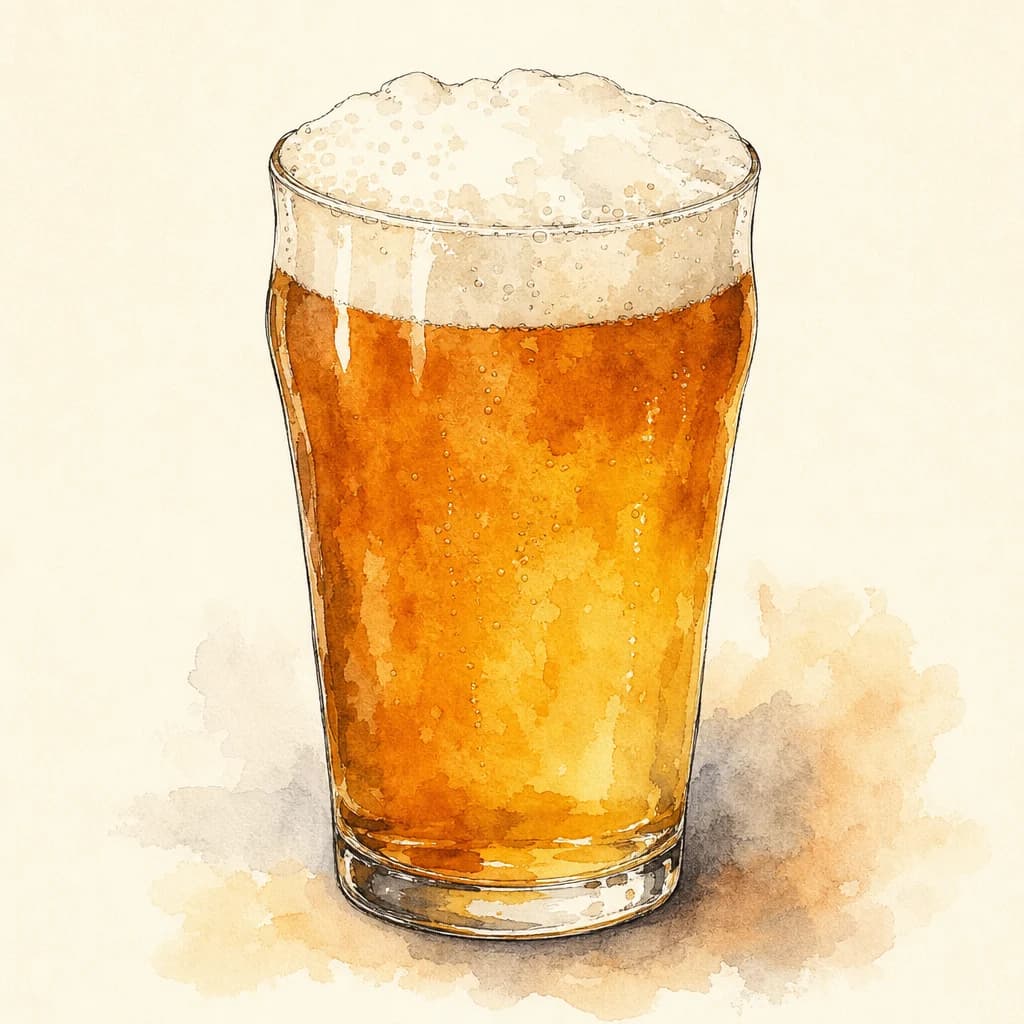
Bière Vailima
La bière nationale des Samoa, fondée à Apia près de la résidence de Stevenson. C'est une bière blonde fraîche, légère et équilibrée, élaborée avec de l'eau pure de sources de montagne, idéale pour se désaltérer de la chaleur tropicale face au lagon.
'Ava (Kava samoan)
Boisson cérémonielle traditionnelle préparée en broyant les racines séchées de la plante de kava et en les mélangeant avec de l'eau dans un grand bol en bois sacré (« Tanoa »). Il est servi dans des demi-coquilles de noix de coco (« Bilo ») lors des réunions des chefs Matai et des événements de bienvenue officiels.
Niu (eau de coco fraîche)
La boisson incontournable du quotidien. Les noix de coco vertes sont coupées instantanément d'un coup de machette net pour boire leur eau fraîche, riche en sels minéraux, puis goûter leur tendre pulpe avec une cuillère naturelle.
Desserts traditionnels
Panikéké
Les beignets ronds les plus populaires des Samoa. Petites sphères de pâte avec de la farine, du sucre de canne, de la levure et de la purée de bananes mûres locales, frites dans l'huile chaude jusqu'à ce qu'elles soient dorées et croustillantes à l'extérieur et très tendres et spongieuses à l'intérieur, vendues sur tous les marchés.
Fa'ausi
Dessert festif à base de taro ou de manioc râpé cuit en blocs denses, coupé en petits cubes et nappé d'une épaisse sauce caramel au sucre de canne chaude cuite lentement avec une épaisse crème de coco.
Poi samoan
Délicieux dessert froid et crémeux réalisé en écrasant des bananes bien mûres avec un mortier en bois, mélangé à de la crème de coco froide fraîchement pressée, une touche de jus de citron vert et parfumé de feuilles d'agrumes écrasées.
Puligi (pudding samoan cuit à la vapeur)
Gâteau épicé traditionnel cuit à la vapeur dans un moule, parfumé à la cannelle, à la muscade, au gingembre et au caramel au sucre brûlé, servi chaud arrosé d'une riche crème anglaise à la vanille et à la noix de coco.
Que voir par thème
Les Samoa offrent une combinaison parfaite de merveilles volcaniques intactes, de plages polynésiennes de rêve, de piscines marines secrètes et d'une culture vivante qui accueille le voyageur à bras ouverts.
Fossés océaniques, piscines naturelles et cascades (Upolu)
En plus de l'imposante tranchée To Sua, l'île d'Upolu abrite un circuit d'eau douce spectaculaire : la cascade Papapapaitai (avec une chute libre de plus de 100 mètres dans un canyon de la jungle), les chutes Sopoaga avec des jardins botaniques et les piscines naturelles rocheuses de Piula Cave Pool, où vous nagez dans une eau douce cristalline coulant sous une église méthodiste historique.
Plages vierges et récifs coralliens
La plage de Lalomanu, à l'est d'Upolu, est régulièrement classée parmi les plus belles plages du Pacifique Sud pour son sable blanc et ses eaux turquoise. Des plages comme Salamumu et Return to Paradise captivent par leurs formations rocheuses volcaniques noires sur sable blanc, tandis que l'île inhabitée de Namua offre un paradis pour nager avec les tortues vertes en liberté.
Champs de lave et nature sauvage à Savai'i
Savai'i est l'île la plus grande et la moins peuplée des Samoa, dominée par une nature sauvage : les champs de lave noire de Saleaula, les geysers marins d'Alofaaga Blowholes, la cascade en escalier d'Afu Aau tombant dans un bassin turquoise dans la jungle et la mythique grotte des nains de Paia, un tube de lave volcanique long d'un kilomètre.
Culture ancestrale 'Fa'a Samoa' et nuits insulaires
Aux Samoa, la vie communautaire s'articule autour des conseils de chefs (« Matai ») et des familles (« Aiga »). La visite du centre culturel samoan d'Apia permet d'assister en direct à la sculpture sur bois, au tissage d'écorce de mûrier (« Siapo ») et au tatouage traditionnel à la main (« Tatau »), tandis que les nuits Fiafia véhiculent l'énergie des chants polynésiens.
Appia historique, marchés et empreinte de Stevenson
La capitale Apia conserve un charme colonial maritime au bord de son port naturel. Les points forts incluent la cathédrale de l'Immaculée Conception avec ses plafonds en bois sculpté samoans, le marché animé de Fugalei (plein de fruits tropicaux et d'artisanat) et le manoir historique de Robert Louis Stevenson à Vailima, au pied des collines de la jungle.
Îles sans voiture et écotourisme (Manono et Apolima)
Située dans le détroit qui sépare Upolu et Savai'i, la petite île de Manono est un havre de paix absolu où les voitures, les chiens et les routes goudronnées sont interdits. Un sentier pédestre de 2 heures traverse toute l'île entre les villages de pêcheurs, les églises centenaires et l'historique « Estrella de Piedra » préhispanique sur la colline centrale.
Conseils de voyage
Le code « Fa'a Samoa » et l'étiquette du village (« Sa »)
Aux Samoa, toutes les plages, sentiers et cascades appartiennent aux communautés locales. Il est d'usage de payer une petite taxe d'accès communautaire (entre 5 et 20 WST) qui revient directement au village. Lorsque vous traversez des villages, vous devez vous habiller modestement (en couvrant les épaules et les genoux avec un paréo ou « Lavalava »). Entre 18h00 et et 19h00 'Sa' a lieu, un couvre-feu de prière du soir de 10 à 20 minutes où il faut garder le silence et ne pas se promener dans les rues des villes.
Conduite à gauche et limites de vitesse
En septembre 2009, les Samoa ont historiquement changé le sens de la circulation, conduisant sur le côté gauche de la route. Les limitations de vitesse sont très basses et strictes (40-50 km/h dans les villages et 56-65 km/h sur routes ouvertes) car les habitants, les enfants et les animaux marchent régulièrement sur les accotements. Pour louer une voiture, vous devez valider votre permis étranger en obtenant un permis temporaire délivré par l'autorité locale des transports (LTA).
Monnaie et paiements (Tala samoan)
La monnaie officielle est le Samoan Tala (WST). Bien que les cartes de crédit internationales soient acceptées dans les grands complexes hôteliers et les restaurants d'Apia, dans la grande majorité du pays, l'argent liquide est indispensable pour payer les « beach fales », les frais d'entrée aux plages des villages, les bus locaux en bois (« bus en bois ») et les achats sur les marchés.
Dimanche traditionnel (« Aso Sa »)
Le dimanche est un jour sacré de repos, de culte religieux et familial. La plupart des magasins, ferries et attractions ferment le matin. Assister à un service religieux dominical dans une église de village pour entendre des chœurs polyphoniques samoans émouvants, puis être invité au festin « To'ona'i » cuisiné sur l'Umu est l'une des plus belles expériences humaines du voyage.
Ce guide est votre passeport pour vous immerger dans la magie pure, noble et ancienne du cœur de la Polynésie. Samoa vous captivera par la transparence turquoise de ses tranchées océaniques, le murmure du vent dans les « fales » sur le sable et la sérénité incomparable d'un peuple qui vit en communion sacrée avec la terre et la mer. Planifiez vos voyages entre Upolu et Savai'i sans vous précipiter, embrassez humblement l'esprit de « Fa'a Samoa » et préparez-vous à l'une des expériences les plus enrichissantes de votre vie. Tofa soifua ma ia manuia le malaga (Puissiez-vous avoir la santé et un voyage plein de bénédictions) !
Chargement peut-être...
Explore Regions of Samoa
Discover the most beautiful regions and plan your perfect trip
Aʻana
Aʻana offers distinctive landscapes, culture and experiences in Samoa.
Savaiʻi
Savaiʻi offers distinctive landscapes, culture and experiences in Samoa.
Tuamasaga
Tuamasaga offers distinctive landscapes, culture and experiences in Samoa.
Upolu
Upolu offers distinctive landscapes, culture and experiences in Samoa.
Avant de partir
Réponses rapides pour planifier votre voyage en toute confiance
Pourquoi cette destination
- Destination sûre : indice 85/100.
- 85Sécurité
- 70Abordable
Styles de voyage
Classements liés
Collections et routes
 85Villes les plus sûres d’EuropeDestinations où voyager plus sereinement.
 70Destinations les moins chères en EspagneVilles espagnoles où le budget va plus loin sans sacrifier l’expérience.
- 70Destinations les moins chères en EuropeVilles les plus abordables pour voyager sans sacrifier l’expérience.
 85Voyage en famille
 70Voyage petit budget
TripPlanner
Créez votre itinéraire parfait
Chargement...
Votre profil de voyageur
Découvrez votre style de voyage
Chargement...