Chargement de la destination...
Chargement de la destination...
Chargement de la destination...
Chargement de la destination...
Chargement de la destination...
Chargement de la destination...

Chargement de l'expérience immersive...
Bolivia is a destination that challenges the senses and rewards the traveler with landscapes that seem from another planet. It is a country where time seems to have stopped in its colonial towns and where nature manifests itself in its purest and wildest form. From the vibrant and chaotic La Paz to the serenity of Lake Titicaca, Bolivia invites a deep immersion into the Andean worldview. It is the ideal place for those seeking adventure, pre-Columbian history and a real connection with the roots of South America, far from mass tourism.
Capital
Sucre (Constitutional), La Paz (Government Seat)
Population
11.673.021
Langue
Español, QU, AY
Sites du patrimoine de l'UNESCO
0
Scores basés sur des données réelles de 0 à 100
It is the definitive experience in Bolivia. With more than 10,000 km², this salt desert offers surreal landscapes. In the rainy season (January-March), a thin layer of water turns it into the largest mirror in the world, while in the dry season, the floor of white salt hexagons seems infinite. The visit usually includes Incahuasi Island, full of giant cacti, and colorful lagoons populated by flamingos.
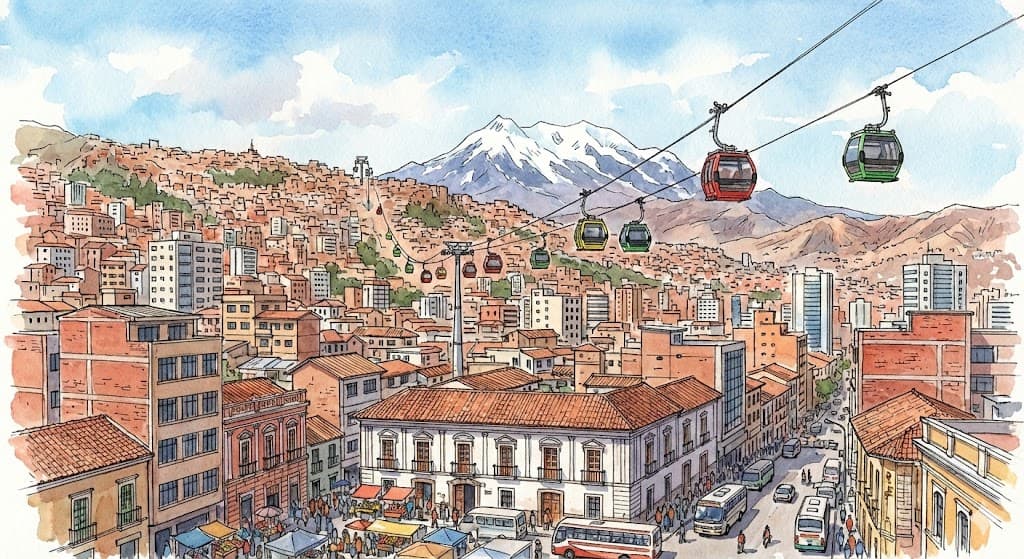
La Paz has the longest and highest urban cable car network in the world. It's not just transportation, it's a constant viewpoint. Traveling along the red, yellow or silver lines allows you to observe the impossible geography of the city, from the mansions in the south to the markets of El Alto, with the majestic snow-capped Illimani always watching in the background.
At 3,812 meters above sea level, Titicaca is the highest navigable lake in the world. From Copacabana, we leave for the Isla del Sol, considered the birthplace of the Inca Empire. Walking along its pre-Hispanic trails, without cars and surrounded by deep blue waters, is a spiritual experience and absolute peace.
For adrenaline lovers, the mountain bike descent from the Andean peaks (La Cumbre, 4,700 meters above sea level) to the Yungas jungle (Yolosa, 1,200 meters above sea level) is unmissable. Several ecological levels are crossed, going from glacial cold to tropical heat between waterfalls and dizzying cliffs.
In the Santa Cruz lowlands, these missions are the only ones in South America that were not destroyed after the expulsion of the Jesuits. Its carved wooden churches are jewels of the mestizo baroque and remain the center of community life, where indigenous baroque music still resonates in international festivals.
In the heart of La Paz, this market is the center of traditional medicine and Andean rituals. Here you can find amulets, medicinal herbs and the famous llama fetuses used in offerings to Pachamama (Mother Earth). It is a fascinating window into contemporary Bolivian spirituality.
Bolivian cuisine is varied, forceful and deeply linked to local products such as potatoes (with hundreds of varieties), corn and quinoa. In recent years, cities like La Paz have experienced a gastronomic revolution that fuses ancestral ingredients with modern techniques.
The food of the Altiplano is caloric and hot to combat the cold, while in the East (Santa Cruz, Beni) cassava, rice and grilled meats predominate in tropical climates.
The soul of many dishes is chili (dried pepper pod), which provides color and deep flavor, rather than excessive spiciness. The yellow chili and the red chili are the pillars of the national seasoning.
The queen of Bolivian breakfast. It is a juicy empanada filled with meat or chicken, potatoes and broth, baked until the dough is sweet and toasted. It is eaten with a spoon so as not to waste the juice.
A hearty dish originating from Cochabamba that consists of pieces of beef, sausages, French fries, onion, tomato and locoto (spicy), all mixed and seasoned with sauces.
Probably the most beloved soup in Bolivia. Made with crushed peanuts, meat, potatoes and decorated with French fries and parsley. It is creamy, nutritious and comforting.
A dish composed of a base of rice and boiled potatoes, on which a sheet of very thinly breaded and fried beef is placed, topped with a fried egg and tomato and onion salad.
Typical of eastern Bolivia, it is rice with charque (dehydrated meat), accompanied by fried egg and fried plantain. There is a 'shaken' (wetter) or 'toasted' version.
The national distillate of Bolivia, made from Moscatel de Alejandría grapes grown at high altitudes. It is the base of the famous 'Chuflay' cocktail (Singani, Ginger Ale and lemon).
Traditional fermented drink of Inca origin, made from corn. It is very popular in the valleys of Cochabamba and is consumed in places marked with a red flag on the door.
Refreshing soft drink made from dried peaches boiled with cinnamon and sugar. It is served very cold and is common to find in street stalls throughout the country.
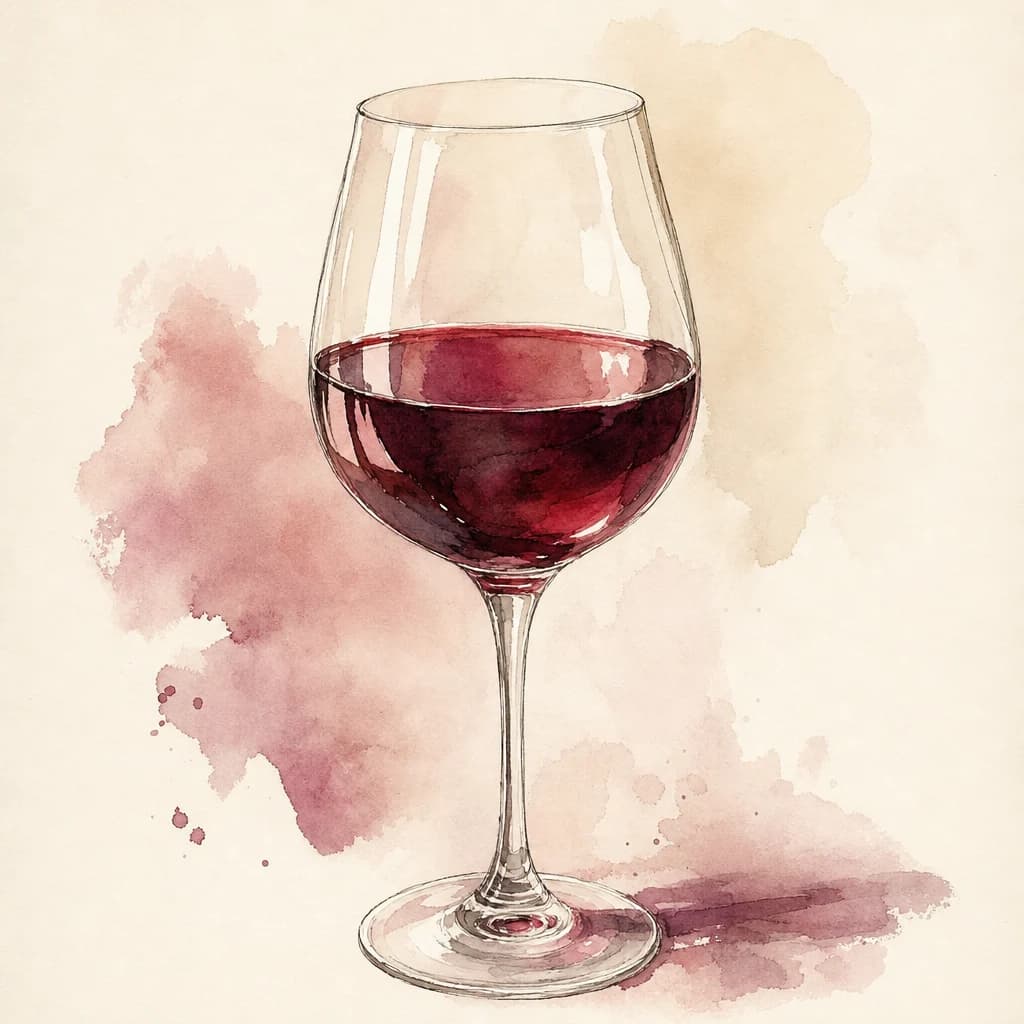
Bolivia produces wines in the Tarija region, at more than 1,800 meters above sea level, which gives them a concentration of aromas and flavors unique in the world.
An artisanal sorbet of intense red color, very traditional in the markets of La Paz, which is usually accompanied with a hot cheese empanada (cake).
Small cassava starch breads and lots of cheese, typical of the East. They are crispy on the outside and elastic on the inside, ideal for coffee time.
From the frigid heights to the humid heat of the jungle, Bolivia offers routes for every type of explorer.
Sucre and Potosí are mandatory stops. Sucre enchants with its white facades and historical museums, while Potosí impresses with its imposing Cerro Rico and the Casa de la Moneda, recalling the time when it was one of the richest and most populated cities in the world.
Rurrenabaque is the gateway to the Madidi National Park and the Pampas del Yacuma. Here you can see incredible fauna: jaguars, pink dolphins, alligators and hundreds of bird species in one of the most biodiverse ecosystems on the planet.
Tiwanaku, near La Paz, reveals the secrets of a civilization that dominated the Andes centuries before the Incas. The Puerta del Sol and the stone monoliths are testimonies of advanced engineering and astronomy.
The Eduardo Avaroa Reserve, south of the Salar de Uyuni, is home to the Laguna Colorada (red for algae) and the Laguna Verde, as well as active geysers and rock formations such as the Stone Tree, in a stunning volcanic environment.
Many areas of Bolivia are above 3,500 meters. It is vital to acclimatize, drink plenty of water, avoid alcohol the first few days and try coca tea, a very effective natural remedy.
Interdepartmental buses ('fletas') are the main means of getting around. For long distances, 'sleeper' buses are recommended. In the cities, minibuses and trufis are common, but the cable car in La Paz is the most comfortable option.
The official currency is the Boliviano (BOB). Although hotels and large restaurants accept cards, it is essential to carry cash in small bills for markets, transport and rural towns.
Wi-Fi has improved a lot in the main cities, but in remote areas such as the Salar de Uyuni or the jungle, the connection is non-existent or very limited. It is recommended to buy a local SIM card (Entel has the best rural coverage).
Bolivia is not just a destination, it is a journey of transformation. Its raw beauty and unaltered culture offer a unique perspective on South America. We recommend you plan flexibly, respect local traditions and let yourself be carried away by the slow pace of the Andes. Your adventure in the heart of the continent awaits you!
Loading quiz...
Plans prêts à enregistrer — et bientôt à transformer en voyage.
TripMatches · Se souvenir · Planifier
Êtes-vous déjà allé à Bolivia ou aimeriez-vous encore y aller ? Choisissez et nous vous menons directement à l'action.
Importez votre voyage à Bolivia et gardez ce que vous avez vécu.
Importer un voyageEnregistrez Bolivia dans vos destinations ou commencez un nouveau plan.
L'essentiel pour organiser régions, villes et budget
Créez votre itinéraire parfait
Chargement...
Découvrez votre style de voyage
Chargement...
Complétez notre test de personnalité de voyage pour recevoir des recommandations personnalisées parfaites pour vous.