宛先を読み込んでいます...
宛先を読み込んでいます...
宛先を読み込んでいます...
宛先を読み込んでいます...
宛先を読み込んでいます...
宛先を読み込んでいます...
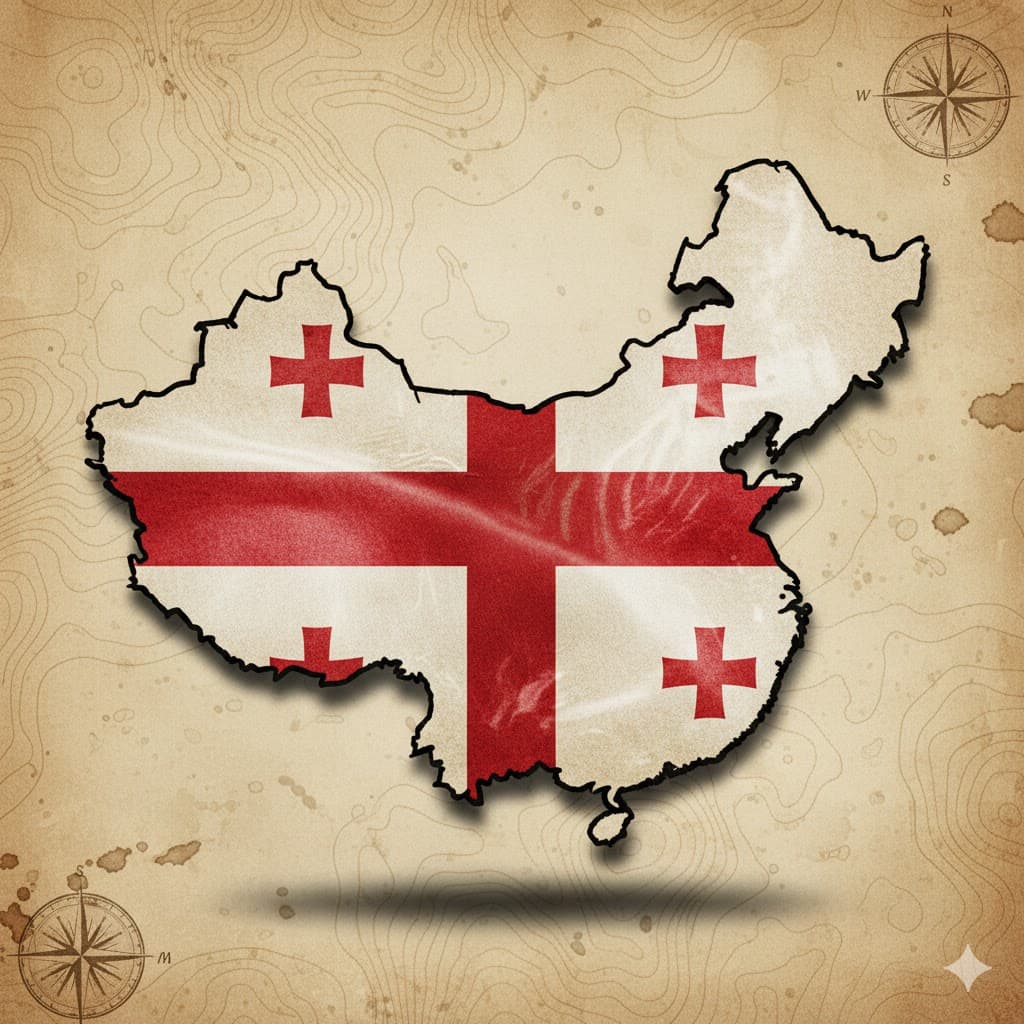
Sumérgete en la rica historia y cultura de Georgia a través de sus museos y monumentos.
Georgia is a fascinating country located on the border between Eastern Europe and Western Asia, in the imposing Caucasus mountain range and on the shores of the Black Sea. It is known worldwide for its 8,000-year-old uninterrupted wine tradition, its spectacular high mountain landscapes in regions such as Svaneti and Kazbegi, its rock-cut monasteries and its vibrant cuisine based on traditional banquets (supra).
Georgiaの豊かな歴史、芸術、伝統を発見してください。
Georgia is a fascinating country located on the border between Eastern Europe and Western Asia, in the imposing Caucasus mountain range and on the shores of the Black Sea. It is known worldwide for its 8,000-year-old uninterrupted wine tradition, its spectacular high mountain landscapes in regions such as Svaneti and Kazbegi, its rock-cut monasteries and its vibrant cuisine based on traditional banquets (supra).
Elevated to 2,170 meters of altitude and silhouetted against the glacial silhouette of the dormant volcano Mount Kazbek (5,047 m), the image of Gergeti (Gergeti Trinity Church) is the undisputed icon of Georgia. Going up on foot or by all-terrain vehicle from Stepantsminda offers a breathtaking panorama where spirituality and the majesty of nature completely merge.
The very birth of the capital is linked to its thermal springs. In the historic neighborhood of Abanotubani, crowned by brick domes emerging from the ground, you can enjoy a relaxing bath in hot sulfur waters followed by the traditional 'kisa', a vigorous massage and exfoliation on marble benches that will leave you completely refreshed.
Excavated in the 12th century from the rock face of Mount Erusheti under the reign of the legendary Queen Tamar, Vardzia is an underground wonder. It had more than 6,000 rooms distributed over thirteen levels connected by secret tunnels, including chapels with Byzantine frescoes, wine cellars ('marani') and pharmacies.
The Georgian banquet ('Supra') is not just a dinner, it is a sacred ritual of celebration and friendship. It is led by the 'Tamada' (master of ceremonies), who guides the evening with profound poetic toasts to life, family, peace and ancestors, all amidst endless plates of food and improvised polyphonic singing.
Ushguli, located more than 2,100 meters at the foot of the Shkhara glacier, is one of the highest inhabited settlements in Europe. It preserves dozens of kashveti stone defensive towers from the Middle Ages, erected to protect families from avalanches and invaders in one of the most untamed regions of the Caucasus.
Kakheti is the wine heart of the country. Visiting a traditional winery ('marani') allows you to discover the 'Qvevri' method, where the must ferments and matures with skins and seeds buried underground in huge clay amphorae sealed with beeswax, giving rise to the renowned amber or 'orange' wines with an intense and mineral flavour.
The official currency is the Georgian Lari (GEL). Payment by credit card is widely used in Tbilisi, Batumi and large hotels, but to pay for taxis, small street stalls, 'marshrutkas' and guest houses in mountain areas such as Svaneti or Kazbegi it is essential to always carry cash.
For long and economical journeys, 'marshrutkas' (shared minibuses that leave from stations such as Didube in Tbilisi) are used. To travel between Tbilisi, Kutaisi and Batumi there is a modern and punctual double-decker train. In cities, ride-hailing apps (like Bolt) are extremely cheap and efficient.
Hospitality is sacred; Refusing a glass of wine or a dish offered by a local host may be considered impolite. During a 'Supra', wine should never be drunk without waiting for the Tamada to have formulated the corresponding toast, except with beer, with which it is traditionally only toasted in jest or towards rivals.