Zebu

Cebu is the first Spanish city in the Philippines, a key historical and economic center in the Visayas archipelago.

About Zebu

About Zebu - Culture, History & Character

City Description

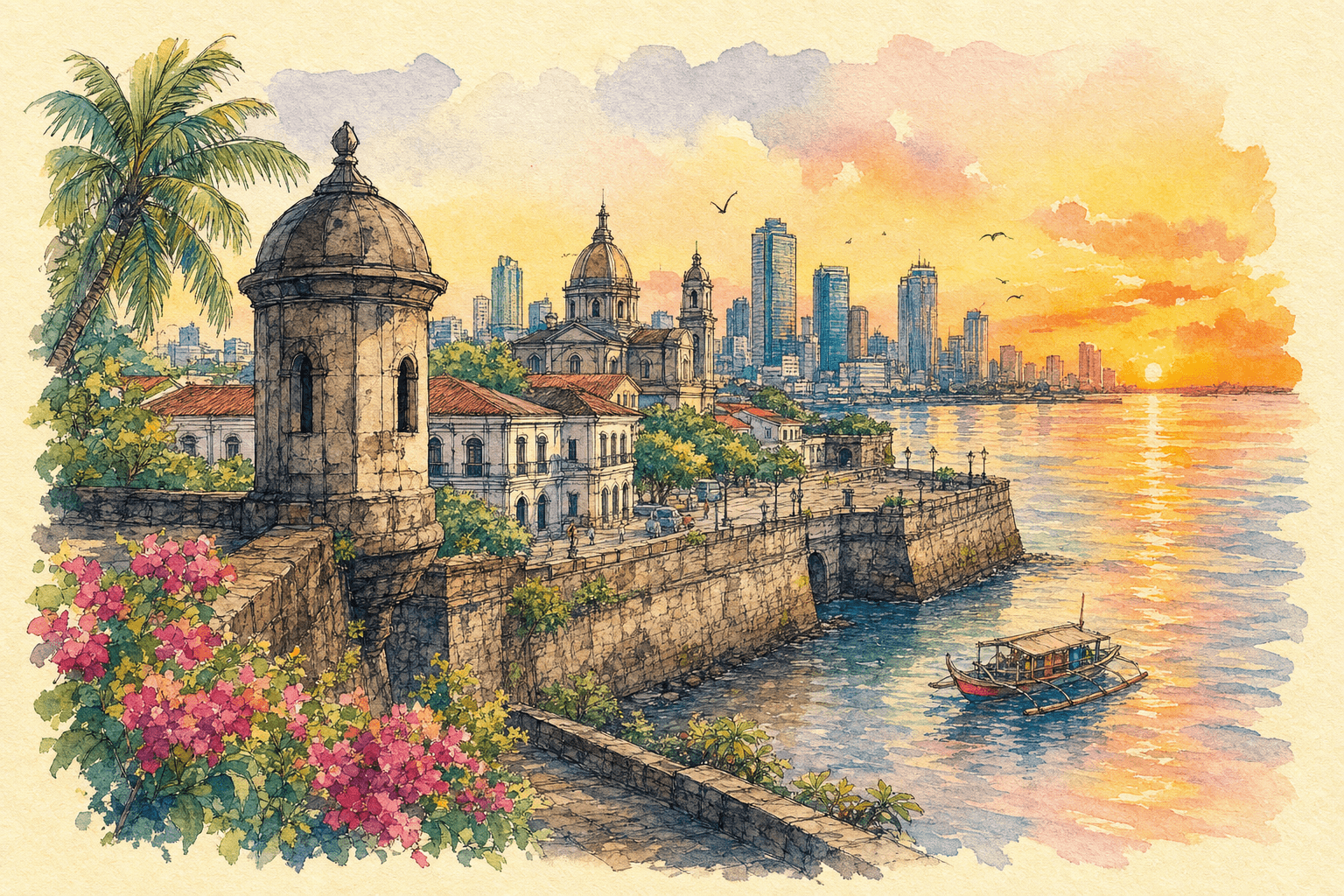
Cebu is a historic and major city on the island of Cebu, located in the Visayas archipelago in the Philippines. It is known as the first Spanish city established in the Philippines, founded in 1565 by Miguel López de Legazpi. Cebu stands out for its cultural, historical and economic importance in the country, being a vibrant urban center with a significant population that combines ancient traditions with modern development. Geographically, Cebu is situated on a strategic island in the center of the Philippines, making it a key point for trade and tourism. The city has a rich Spanish colonial heritage visible in its monuments and architecture, such as the Basilica Menor del Santo Niño, and is famous for being the place where Ferdinand Magellan landed in 1521. In addition, Cebu is a major economic and tourist center, with beaches, historical sites and a unique local culture that mixes indigenous, Spanish and modern influences. Its urban and metropolitan population exceeds one million inhabitants, consolidating it as one of the largest and most dynamic cities in the country.
Country
Philippines
Region
Cebu
Highlights
20+ Attractions

Population

Cebu City has an approximate population of 1.1 million inhabitants, while its metropolitan area exceeds 2.9 million, making it one of the most densely populated and developed urban areas in the Philippines.

Languages

CebuanoFilipinoInglés

El idioma principal es el cebuano, hablado por la mayoría de la población local. El filipino y el inglés son también ampliamente utilizados, especialmente en la educación, negocios y turismo. El nivel de inglés es alto en comparación con otras regiones del país, y existen minorías que hablan otros idiomas regionales.

History of Zebu

Explore the fascinating past of Zebu and discover how it has developed over the centuries.

Historical Journey

Ancient Period

Before the arrival of the Spanish, Cebu was an Indianized rakhanate known as Sugbu, founded by Sri Lumay, a prince of the Chola dynasty of India. The capital was Singhapala, and the region was divided into territories governed by his sons. Cebu was an important political and commercial center in the region, facing Moorish pirates and maintaining its own culture with Malay and Tamil influences.

Development Period

During the Middle Ages and early modern era, Cebu was a strategic point for trade in Southeast Asia. In 1521, Ferdinand Magellan landed in Cebu, marking the beginning of European contact. In 1565, Miguel López de Legazpi founded the Villa de San Miguel de Cebu, establishing the first Spanish city in the Philippines and creating the first Christian institutions on the island. This period marked the beginning of Spanish colonization and the integration of Cebu into the colonial empire.

Modern Period

In the 20th and 21st centuries, Cebu has experienced significant urban and economic growth, becoming an industrial, commercial and tourist center. The city maintains its historical importance with monuments and cultural festivals, while its international airport and port facilitate connections with other regions and countries. Cebu plays a crucial role in the contemporary Philippine economy and is a popular tourist destination for its beaches, culture and historical heritage.

Historical Timeline

The historical timeline shows the key moments that have defined the development of Zebu through the centuries.

City Scores

City Scores

Discover what makes this city special with our comprehensive scoring system

Safety

Good
68100

Cebu is relatively safe for tourists and residents, although caution is advised in certain areas and times.

Click to view analysis
About:

Cebu is relatively safe for tourists and residents, although caution is advised in certain areas and times.

Advantages:
  • Police presence in tourist areas.
  • Low incidence of violent crimes in central areas.
Challenges:
  • Petty theft and scams in busy areas.
  • Peripheral areas with greater risk of insecurity.
Walkability

Good
62100

Walkability in Cebu is limited due to traffic, lack of adequate sidewalks, and scattered urban planning.

Click to view analysis
About:

Walkability in Cebu is limited due to traffic, lack of adequate sidewalks, and scattered urban planning.

Advantages:
  • Pedestrian areas in shopping centers and tourist areas.
  • Main streets with pedestrian access.
Challenges:
  • Intense traffic and lack of pedestrian signs on many streets.
  • Scattered residential and commercial areas make walking difficult.

Public Transport

Good
65100

Public transportation in Cebu is functional but can be chaotic and inefficient at peak times.

Click to view analysis
About:

Public transportation in Cebu is functional but can be chaotic and inefficient at peak times.

Advantages:
  • Extensive network of jeepneys and local buses.
  • Economic rates for travel.
Challenges:
  • Lack of modern infrastructure and clear signage.
  • Congestion and frequent delays on main routes.

Affordability

Excellent
84100

Strong value for money. You can travel comfortably without a high budget.

Click to view analysis
About:

Strong value for money. You can travel comfortably without a high budget.

Advantages:
  • Moderate cost on accommodation and local food.
  • Economical and varied public transport.
Challenges:
  • Higher prices in tourist areas and shopping centers.
  • International services and imported products can be expensive.

Nightlife

Good
70100

Nightlife in Cebu is lively, with bars, clubs and cultural events, although less extensive than in Manila.

Click to view analysis
About:

Nightlife in Cebu is lively, with bars, clubs and cultural events, although less extensive than in Manila.

Advantages:
  • Variety of bars and clubs in central areas.
  • Frequent cultural and musical events.
Challenges:
  • Limited options for family night entertainment.
  • Variable security in some areas at night.

Art & Culture

Good
72100

Cebu has a rich local culture with traditional festivals and a growing arts scene, although less developed than in Manila.

Click to view analysis
About:

Cebu has a rich local culture with traditional festivals and a growing arts scene, although less developed than in Manila.

Advantages:
  • Sinulog Festival, one of the most important cultural events.
  • Galleries and emerging cultural centers.
Challenges:
  • Limited offer of museums and formal cultural spaces.
  • Less international promotion of local art.

Food Scene

Excellent
80100

Gastronomy in Cebu is varied and renowned, highlighting local dishes and fresh seafood, with growing international offerings.

Click to view analysis
About:

Gastronomy in Cebu is varied and renowned, highlighting local dishes and fresh seafood, with growing international offerings.

Advantages:
  • Typical dishes such as suckling pig and fresh seafood.
  • Wide variety of restaurants and local markets.
Challenges:
  • Limited options for special diets in some areas.
  • Variable quality in tourist restaurants.

Shopping

Good
75100

Cebu offers good shopping options, from traditional markets to modern shopping malls.

Click to view analysis
About:

Cebu offers good shopping options, from traditional markets to modern shopping malls.

Advantages:
  • Large shopping centers like Ayala and SM City.
  • Local markets with artisanal and fresh products.
Challenges:
  • High prices in international stores.
  • Limited variety of luxury products.

Weather

Excellent
85100

Cebu has a warm tropical climate all year round, ideal for outdoor activities and beach tourism.

Click to view analysis
About:

Cebu has a warm tropical climate all year round, ideal for outdoor activities and beach tourism.

Advantages:
  • Pleasant and constant temperatures between 25-32°C.
  • Dry season from November to May, ideal to visit.
Challenges:
  • Rainy and typhoon season between June and October.
  • High humidity that may be uncomfortable for some visitors.

Tourist Friendly

Good
78100

Cebu is a popular tourist destination with good infrastructure and services for visitors, although there is room for improvement.

Click to view analysis
About:

Cebu is a popular tourist destination with good infrastructure and services for visitors, although there is room for improvement.

Advantages:
  • International airport and port well connected.
  • Wide range of accommodation and tours.
Challenges:
  • Tourist information not always available in several languages.
  • Some tourist areas can be saturated in high season.

Family Friendly

Good
70100

Cebu offers family-friendly options, with international schools and recreational activities, although safety and amenities may vary.

Click to view analysis
About:

Cebu offers family-friendly options, with international schools and recreational activities, although safety and amenities may vary.

Advantages:
  • Presence of international schools and hospitals.
  • Parks and beaches nearby for family activities.
Challenges:
  • Traffic and pollution can affect the quality of life.
  • Areas with less safety for children in some urban areas.

LGBTQ+ Friendly

Good
68100

Cebu shows growing acceptance towards the LGBTQ+ community, although social and cultural challenges still exist.

Click to view analysis
About:

Cebu shows growing acceptance towards the LGBTQ+ community, although social and cultural challenges still exist.

Advantages:
  • Events and spaces dedicated to the LGBTQ+ community.
  • Greater visibility and support in urban areas.
Challenges:
  • Conservative attitudes persist in traditional sectors.
  • Limited legal and social protection compared to large cities.

Local Friendly

Excellent
80100

The people of Cebu are generally friendly and hospitable to visitors and foreigners.

Click to view analysis
About:

The people of Cebu are generally friendly and hospitable to visitors and foreigners.

Advantages:
  • Very welcoming and familiar local culture.
  • Ease of interacting and receiving help from locals.
Challenges:
  • Language barriers in less touristy areas.
  • Some areas may be less open to foreigners.

Natural Beauty

Excellent
82100

Cebu stands out for its natural beauty, with beaches, mountains and seascapes attracting tourists and residents.

Click to view analysis
About:

Cebu stands out for its natural beauty, with beaches, mountains and seascapes attracting tourists and residents.

Advantages:
  • White sand beaches and crystal clear waters in Mactan.
  • Mountainous landscapes and waterfalls nearby.
Challenges:
  • Pollution and development affect some natural areas.
  • Limited access to certain nature reserves.

Architecture

Good
70100

Cebu's architecture combines Spanish colonial influences with modern constructions, reflecting its history and current development.

Click to view analysis
About:

Cebu's architecture combines Spanish colonial influences with modern constructions, reflecting its history and current development.

Advantages:
  • Presence of churches and historical buildings such as the Basilica del Santo Niño.
  • Development of modern business and residential districts.
Challenges:
  • Some areas have a lack of maintenance in old buildings.
  • Rapid urban growth affecting architectural cohesion.

Historical Significance

Excellent
85100

Cebu has great historical importance as the first Spanish settlement in the Philippines and a cultural center for centuries.

Click to view analysis
About:

Cebu has great historical importance as the first Spanish settlement in the Philippines and a cultural center for centuries.

Advantages:
  • Historical monuments such as Magellan's Cross and the Basilica of Santo Niño.
  • Center for national historical and cultural events.
Challenges:
  • Some historic sites need better conservation.
  • Less international diffusion of its historical value.

Green Spaces

Good
60100

Cebu has some parks and natural areas, but rapid urbanization limits accessible green spaces in the city.

Click to view analysis
About:

Cebu has some parks and natural areas, but rapid urbanization limits accessible green spaces in the city.

Advantages:
  • Urban parks and gardens in residential areas.
  • Proximity to beaches and natural areas on the outskirts.
Challenges:
  • Lack of large public parks in the urban center.
  • Urban pressure that reduces available green areas.

Cleanliness

Good
65100

Cleanliness in Cebu varies by area, with tourist areas well maintained and others with garbage and pollution problems.

Click to view analysis
About:

Cleanliness in Cebu varies by area, with tourist areas well maintained and others with garbage and pollution problems.

Advantages:
  • Tourist areas and hotels are usually well maintained.
  • Local campaigns to improve waste management.
Challenges:
  • Streets and public areas in less developed neighborhoods have accumulated garbage.
  • Problems with air and water pollution in certain areas.

Startup Scene

Good
70100

The startup ecosystem in Cebu is growing, with government support and emerging innovation spaces.

Click to view analysis
About:

The startup ecosystem in Cebu is growing, with government support and emerging innovation spaces.

Advantages:
  • Increase in local incubators and accelerators.
  • Growing interest in technology and entrepreneurship.
Challenges:
  • Lack of significant investment compared to Manila.
  • Limited network of mentors and venture capital.

Digital Nomad Friendly

Good
78100

Cebu is increasingly popular among digital nomads for its connectivity and cost of living, although infrastructure can improve.

Click to view analysis
About:

Cebu is increasingly popular among digital nomads for its connectivity and cost of living, although infrastructure can improve.

Advantages:
  • Good internet connectivity in cafes and coworking spaces.
  • Affordable cost of living for remote workers.
Challenges:
  • Occasional interruptions in the electrical supply.
  • Limited supply of high-quality coworking spaces.

Overall City Score

Comprehensive assessment of this destination

73/ 100

Weather & Climate

Descubre las mejores épocas para visitar Zebu y qué esperar durante todo el año.

Monthly Temperatures

January

Max30°
Min22°

February

Max31°
Min22°

March

Max32°
Min24°

April

Max33°
Min25°

May

Max33°
Min25°

June

Max32°
Min25°

July

Max31°
Min25°

August

Max31°
Min25°

September

Max31°
Min24°

October

Max31°
Min24°

November

Max30°
Min23°

December

Max30°
Min22°

Legend

Best Months
Hot Months
Cold Months
Rainy Periods

Weather Summary

Cebu has a warm tropical climate all year round, ideal for outdoor activities and beach tourism.

Weather Tips

Pleasant and constant temperatures between 25-32°C.

Dry season from November to May, ideal to visit.

Rainy and typhoon season between June and October.

High humidity that may be uncomfortable for some visitors.

The rainy season runs from June to November, with the greatest rainfall in July and August.

The months of March to May are the hottest and driest, considered the best to visit.

Overview

Spring

Spring in Cebu is warm and relatively dry, with pleasant temperatures ranging between 22 and 32 degrees Celsius, ideal for outdoor activities.

More Information

Summer

Summer is hot and humid, with maximum temperatures that can exceed 33 degrees Celsius, and the rainy season begins, especially in June and July.

More Information

Autumn

Autumn presents moderate temperatures and a gradual decrease in rain, with favorable weather for tourism and cultural events.

More Information

Winter

Winter in Cebu is mild and dry, with minimum temperatures around 22 degrees Celsius, making it a comfortable season to visit the city.

More Information

Presupuesto y Compras

Plan your expenses and discover the best shopping areas

Budget Planning

Daily spending per person

Visiting Cebu is relatively inexpensive compared to other Asian cities. Costs vary depending on the type of traveler, but in general it offers affordable options for backpackers, middle-class travelers and luxury tourists.

Budget Travel

15-30€

per day

Mid-Range Travel

40-70€

per day

Luxury Travel

100€+

per day

Guía de Compras

Best Areas

Crafts and souvenirs

3 areas

Colon Street

Clic para ver detalles

Tops Lookout Market

Clic para ver detalles

SM City Cebu

Clic para ver detalles

Clothing and fashion

3 areas

Ayala Center Cebu

Clic para ver detalles

SM Seaside City Cebu

Clic para ver detalles

Banilad Town Center

Clic para ver detalles

Electronics and gadgets

3 areas

SM City Cebu

Clic para ver detalles

Ayala Center Cebu

Clic para ver detalles

Robinsons Galleria Cebu

Clic para ver detalles

Traditional markets and fresh foods

2 areas

Carbon Market

Clic para ver detalles

Taboan Public Market

Clic para ver detalles

Jewelry and pearls

2 areas

Mactan Island Jewelry Stores

Clic para ver detalles

Ayala Center Cebu

Clic para ver detalles

Points of Interest

Explore the most fascinating places this city has to offer

Basilica of the Santo Niño

The oldest church in the Philippines, founded in 1565, houses the venerated image of the Santo Niño, given by Magellan. It is the spiritual heart of Cebu and the epicenter of the famous Sinulog festival, which combines devotion, history and local culture with traditional parades and dances.

Religious

St. Peter's Fort

First Spanish fortress in the Philippines, built in 1738 to defend the city from pirates. Today it is a historical park and museum with colonial artifacts and panoramic views of Cebu Harbor.

Historical

Magellan's Cross

A symbol of Catholicism in the Philippines, it marks the place where Magellan planted the original cross in 1521. It is a historical and religious emblem of the city.

Landmark

Cebu Cathedral

One of the oldest churches in the country, built in 1565. It stands out for its colonial architecture and its importance in the religious history of the region.

Architecture

Gorordo House

House museum that shows how Filipino families lived during the Spanish colonial era. It houses furniture, art and everyday objects from the 19th century.

Museum

Yap Sandiego Ancestral House

One of the oldest houses in Cebu, built in the 17th century. It is an example of traditional Filipino architecture and houses antiquities and religious art.

Cultural

Taoist Temple

Chinese temple located in Beverly Hills, offers panoramic views of the city, replicas of the Chinese wall, green dragons and Taoist ceremonies. It is a place of peace and oriental culture in Cebu.

Religious

Sugbo Museum

Located in the old town hall building, it exhibits a wide collection of historical and cultural artifacts, from pre-colonial to modern times.

Museum

Sirao Garden

Known as 'Little Amsterdam', it stands out for its extensive fields of Celosia flowers. Ideal for photography and quiet walks in a floral environment.

Park

Mount Busay (Tops Lookout)

Panoramic viewpoint with spectacular views of Cebu, especially at sunset. It is accessed via a scenic route and is perfect for enjoying nature and the city from above.

Nature

Ayala Mall

One of the largest and most modern malls in Cebu, ideal for shopping, dining and entertainment. It is also a good place to exchange currency.

Shopping

Mactan Island

Historical place where Magellan died in battle against Lapu-Lapu. Today it is known for its resorts, beaches and water activities, in addition to its historical importance.

Landmark

Kawasan Falls

Famous waterfall with turquoise waters in Badian, ideal for jumping, canyoning and swimming in natural pools. It is one of the most popular natural attractions in the Philippines.

Nature

Inambakan waterfall

Less crowded waterfall than Kawasan, with turquoise blue waters, with a jumping area and rocker. Perfect for those seeking tranquility and contact with nature.

Nature

Moalboal

Coastal destination famous for snorkeling, diving and observing schools of sardines. It also offers white sand beaches and a relaxed atmosphere.

Nature

Oslob

Known for whale shark watching, quiet beaches and the Tumalog waterfall. It is an ideal destination for lovers of nature and marine life.

Nature

Bantayan Island

Paradise island north of Cebu, famous for its white sand beaches, relaxed atmosphere and small colonial churches. Ideal to disconnect and enjoy the sea.

Nature

Saints Peter and Paul Parish

Historic church on Bantayan Island, an example of colonial architecture and spiritual center of the local community.

Religious

Independence Square

Central park in Cebu City, surrounded by historic buildings and near the Basilica del Santo Niño. Ideal place to walk and get to know local life.

Park

Carbon Market

Traditional market in downtown Cebu, famous for its vibrant atmosphere, fresh produce and authentic Filipino street food.

Food

Discover every corner of Zebu!

Sponsored links by GetYourGuide for your convenience

Day Trips

Discover fascinating destinations near Zebu perfect for day getaways

2 hours by ferry from Cebu

Bohol Island

Nature, History, Culture, Towns

Day trip to Bohol Island from Cebu including visit to the famous Chocolate Hills, Bilar Mahogany Forest, Tarsier Sanctuary, Loboc River cruise with lunch and the historic Baclayon Church. It is a perfect combination of nature, culture and history.

3 hours drive from Cebu

Moalboal

Nature, Beach, Adventure

Adventure and nature excursion on the coast of Moalboal, ideal for snorkeling and diving. You can see schools of sardines and sea turtles, as well as enjoy nearby beaches and waterfalls.

3 hours drive from Cebu

Oslob

Nature, Beach, Adventure

Whale shark watching excursion in Oslob, with the option of visiting Tumalog Falls and Pescador Island to snorkel and enjoy marine nature.

Variable, within the city and surroundings

Cebu City and surroundings

Culture, History, Towns

Cebu City Cultural Tour including Sirao Flower Farm, Leah Temple, Taoist Temple, Magellan's Cross, Sto. Niño, the Taboan Public Market and a walk through the CCLEX to the 10,000 Roses Café.

2 hours drive from Cebu

Simala Sanctuary

Culture, History, Religion

Visit Simala Shrine, an important religious and tourist site near Cebu, known for its impressive architecture and spiritual atmosphere.

Included in the Bohol tour, 2 hours ferry ride from Cebu

Loboc River Cruise

Nature, Relax, Culture

Lunch cruise on the Loboc River in Bohol, surrounded by lush nature and tranquil landscapes, ideal for relaxing and enjoying the natural surroundings.

3 hours drive from Cebu

Kawasan Falls

Nature, Adventure, Mountain

Excursion to visit Kawasan Falls, famous for its turquoise waters and canyoning and swimming activities in a spectacular natural environment.

3 hours by car and boat from Cebu

Sumilon Island

Nature, Beach, Snorkel

Excursion to Sumilon Island to enjoy white sand beaches, snorkeling in coral reefs and a unique sandbank, ideal for lovers of the sea and nature.

Explore Neighborhoods

Discover the unique character and charm of each city district.

Parian

Historical and cultural neighborhood, known for being one of the first Spanish settlements in Cebu, with an atmosphere that mixes tradition and local commerce.

Highlights

  • Church of Santo Niño
  • cobbled streets
  • Traditional markets

Best For

HistoryTouristsFamilies

Lahug

Modern and dynamic neighborhood, with a mix of residential areas, shopping centers and green spaces, ideal for young people and families.

Highlights

  • Mount Tops Park
  • Ayala Shopping Center
  • active nightlife

Best For

Young peopleFamiliesShoppingNightlife

Mabolo

Quiet residential area with access to urban services and shopping centers, with a family and safe environment.

Highlights

  • Gaisano shopping center
  • Mabolo Park
  • local church

Best For

FamiliesShopping

Banilad

Upper-middle class residential neighborhood, with green areas and educational centers, ideal for those seeking tranquility and quality of life.

Highlights

  • University of San Carlos
  • Shopping centers
  • Parks and recreational areas

Best For

FamiliesStudents

Camputhaw

Urban neighborhood with a mix of residences and businesses, known for its proximity to educational centers and hospitals.

Highlights

  • Vicente Sotto Hospital
  • University of San Carlos - Talamban Campus
  • Local markets

Best For

StudentsFamiliesTourists

Seasonal Experiences

Discover the best experiences and activities for each time of year

Sinulog Festival

Winter

Experience the largest religious and cultural festival in Cebu, dedicated to the Santo Niño. Enjoy colorful parades, traditional dances, live music and a festive atmosphere throughout the city.

Beach Exploring in Mactan

Summer

Take advantage of the warm, dry climate to relax on the white sand beaches of Mactan Island, snorkel, dive or simply enjoy the sea and luxury resorts.

Mango harvest in the province

Spring

Visit mango plantations on the outskirts of the city during the harvest season. Taste fresh mangoes, take part in agricultural tours, and shop for local produce.

Hiking in the mountains of Cebu

Autumn

Explore trails in the nearby mountains, such as the famous Osmeña Peak, with cooler temperatures and green landscapes after the rainy season. Ideal for photography and contact with nature.

Visit to Christmas markets

Winter

Enjoy the unique Christmas atmosphere of the Philippines with decorations, lights and special markets throughout the city. Sample local delicacies and shop for artisanal gifts.

Whale watching in Tañon Strait

Spring

Embark on a dolphin and whale watching tour in the Tañon Strait, a unique wildlife experience during the months of March to May.

Festivals & Local Celebrations

Experience the vibrant culture and traditions of this city through its unique festivals

Third Sunday in January

Sinulog Festival

Sinulog is the largest festival in Cebu and the Philippines, celebrated in honor of the Santo Niño (Baby Jesus). It lasts nine days and culminates with a great parade. It includes a river procession at dawn, a solemn procession through the main streets and ritual dances representing the flow of the Pahina River. It is a mix of indigenous and Christian tradition, with music, dance and religious acts.

Annual Chinese New Year celebration (date varies between January and February)

Red Lantern Festival

Annual festival in Cebu City that celebrates the Chinese New Year with traditional decorations, red lanterns, cultural events and community activities that highlight the Chinese heritage in the city.

From August 6 to 17

Lalin Festival (Asturias Festival)

Annual celebration in the municipality of Asturias, Cebu, which includes cultural nights, contests, musical performances, parade and community events that promote local identity and pride.

June 24

Ani-Anihan sa Tabuelan Festival

Agricultural and cultural festival in Tabuelan, Cebu, celebrating the harvest and local agriculture with parades, trade fairs, beauty pageants, and dances representing the planting and harvesting phases.

December 8

Isda Festival

Festival in Madridejos, Cebu, honoring local fishermen and celebrating maritime culture with religious activities, fairs and cultural events related to the sea and fishing.

Traveler Tips

Essential advice and local insights to make your trip memorable and safe

Safety Tips

  1. General Security

    Cebu is relatively safe for tourists if you apply common sense; Avoid deserted and poorly lit areas, especially at night.

  2. Areas to avoid

    Avoid peripheral neighborhoods with high poverty and avoid busy streets after dark to minimize the risk of assaults and robberies.

  3. Emergencies

    General emergency number: 911. Have contacts from the Spanish consulate and main hospitals such as Chong Hua Hospital on hand.

  4. Caution with pickpockets

    Pickpockets, often children, are common in tourist areas and public transportation; Always keep your belongings under surveillance and avoid carrying visible valuables.

  5. Natural disasters

    Cebu suffers from frequent typhoons and seismic activity; Stay informed about weather alerts and follow local instructions in case of emergency.

Before you go

Quick answers to plan your trip with confidence

About 3 days covers the essentials. Add 1–2 days for neighborhoods or day trips.
Mid-range is around 40-70€ per person per day (stay, food, local transport). See the budget section for ranges.
A solid starting area is Parian. Compare neighborhoods and hotels on this page.
Use jeepneys for short trips; They are economical but avoid peak hours due to crowds.
Family-friendliness rated 70/100. It usually works well for family trips.
Safety rated 68/100. Cebu is relatively safe for tourists if you apply common sense; Avoid deserted and poorly lit areas, especially at night.

Ready to visit Zebu?

Plan your perfect trip with our personalized recommendations and local insights.

Plan my trip