Preparing the experience...
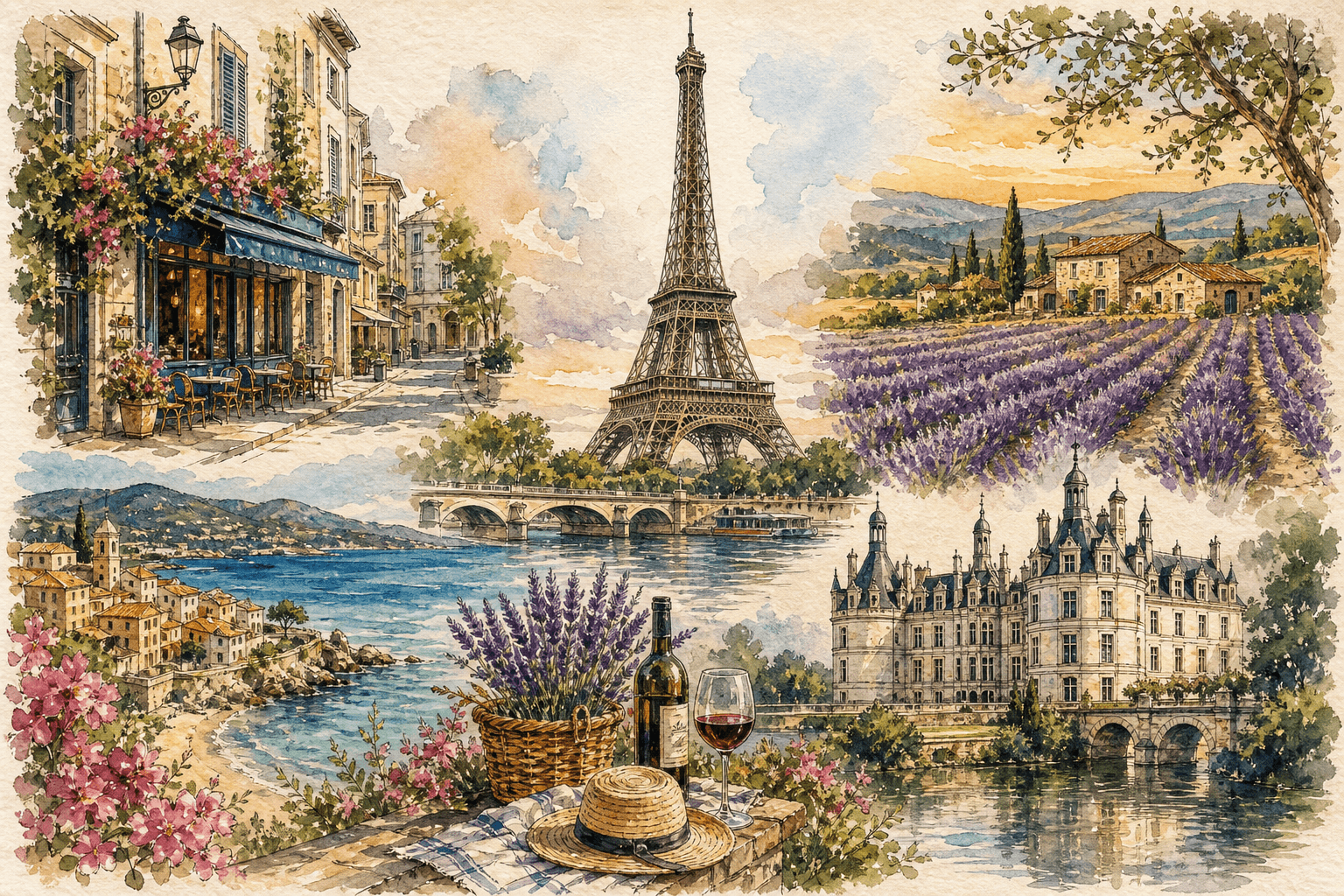
The Ile-de-France is the beating heart of France, a region that revolves around its dazzling capital, Paris, but offers much beyond its borders. Cradle of the French monarchy, its forests and valleys are dotted with majestic palaces and castles such as Versailles and Fontainebleau, which tell centuries of history. It is the epicenter of art, from the masterpieces of the Louvre to the birth of Impressionism in its surroundings. Despite its urban density, the region is home to vast forests, parks and gardens that offer a respite from the city's vibrant energy. It is a destination that perfectly combines monumental grandeur, bohemian charm and cultural sophistication.
Descubre las ciudades más fascinantes de Isle Of France

Paris estará disponible próximamente con información completa y detallada.
Versailles estará disponible próximamente con información completa y detallada.
Saint-Denis estará disponible próximamente con información completa y detallada.
Boulogne-Billancourt estará disponible próximamente con información completa y detallada.
Paris hosts world-class events and traditional celebrations that fill its streets with life.
July 14.
The most important celebration in the country. It includes a military parade down the Avenue des Champs-Elysées in the morning and spectacular fireworks at the Eiffel Tower in the evening.
June 21 (summer solstice).
Amateur and professional musicians of all genres take to the streets, squares and parks throughout France to offer free concerts all day and night.
One night in early June.
An all-night cultural event, where museums, galleries and institutions open for free and the city is filled with contemporary art installations, performances and shows.
From the end of November to the beginning of January.
Several places in Paris, such as the Tuileries Gardens, are filled with wooden stalls selling crafts, gifts and seasonal gastronomic delights, such as mulled wine (vin chaud) and crepes.
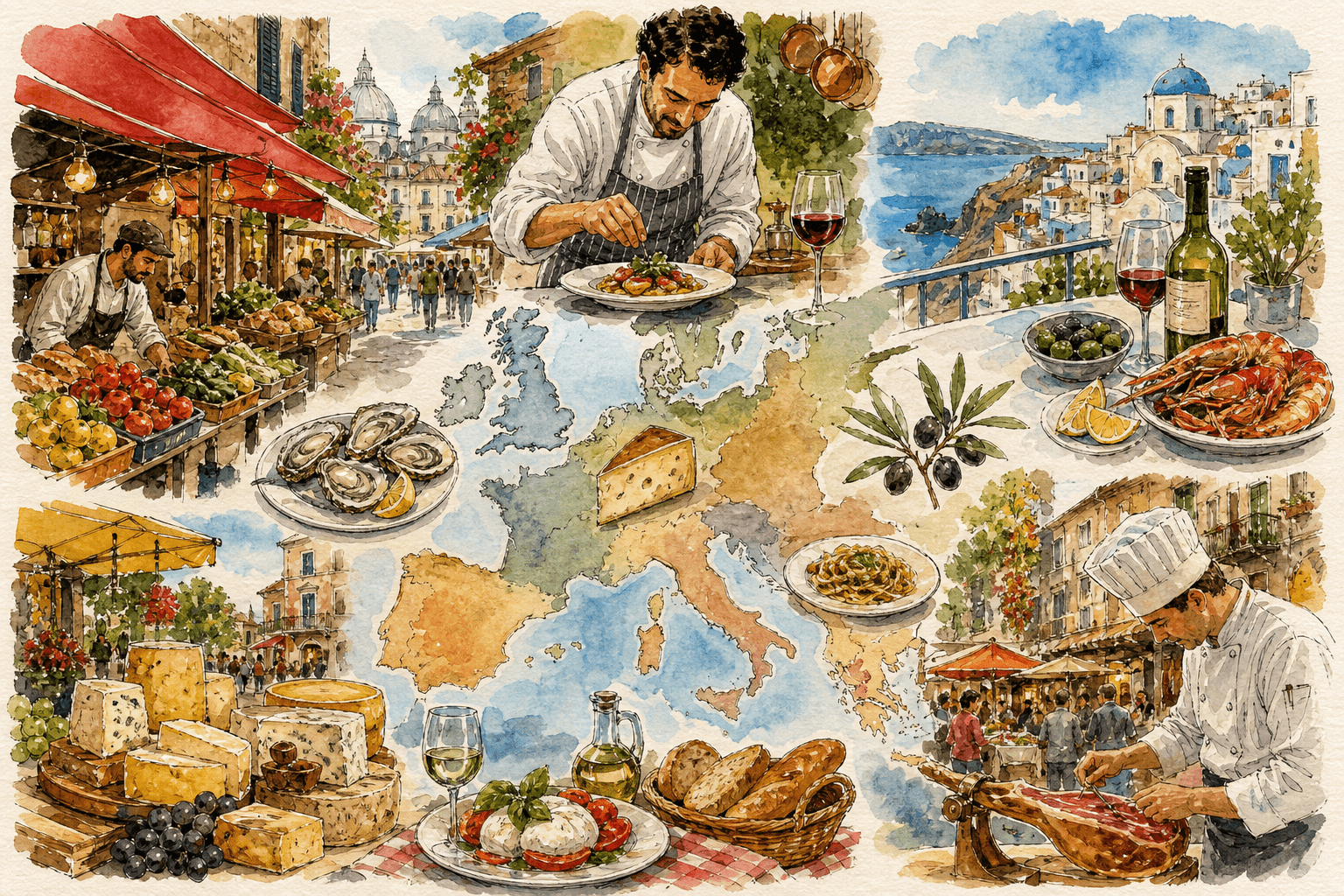
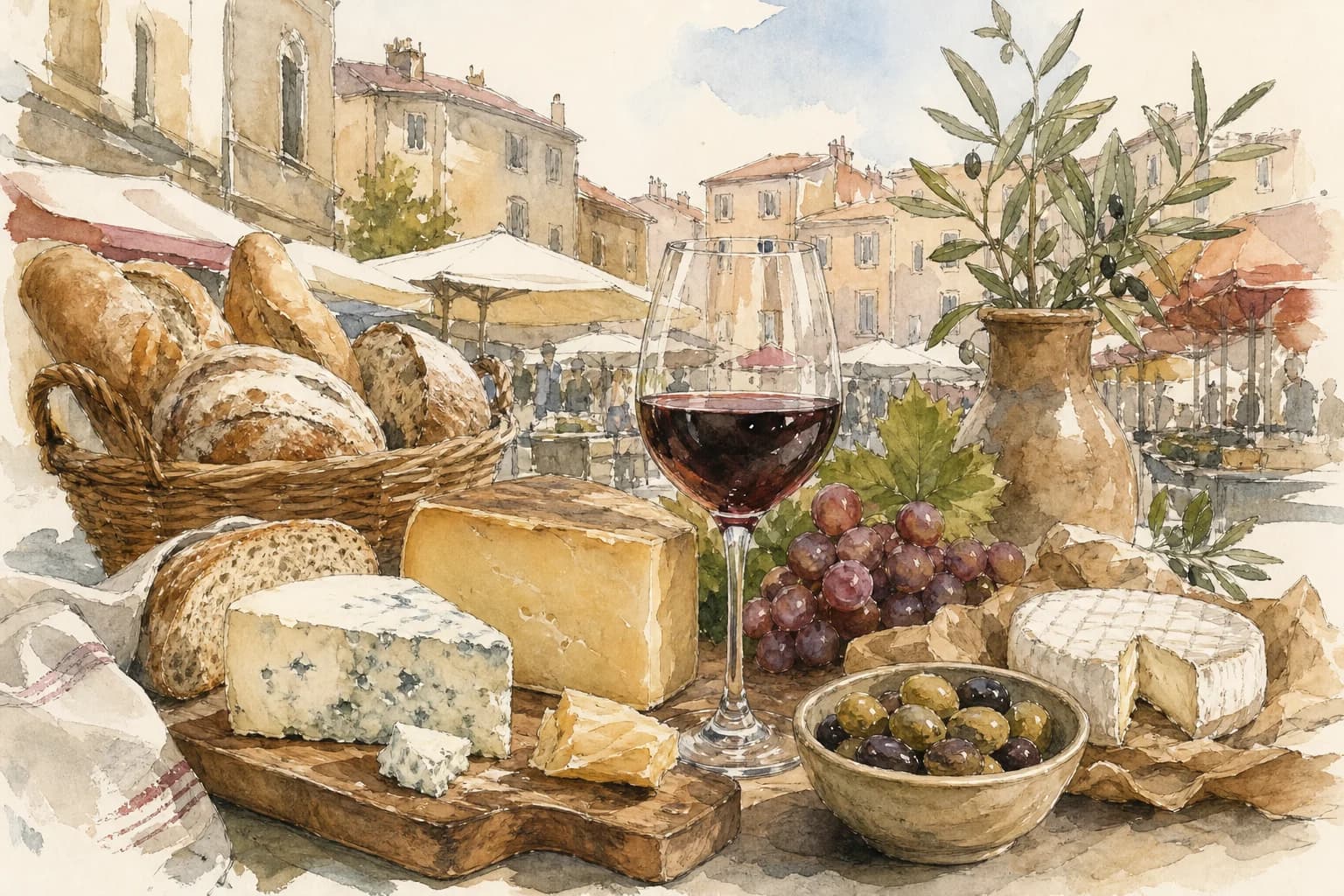
The gastronomy of the Ile-de-France is a reflection of Paris itself: a center that attracts the best of all French regions, but with a strong identity based on its bistros, brasseries, bakeries (boulangeries) and pastry shops (pâtisseries).
A comforting classic of Parisian bistros. A rich caramelized onion soup, served in a bowl with a slice of bread covered with gratin Gruyère cheese.
The dish par excellence of brasseries. A quality beef fillet, cooked to the desired doneness and accompanied by a generous portion of home-made fries.
The quintessential Parisian café sandwich. Sliced bread with cooked ham and cheese, baked in the oven with bechamel. The Croque Madame is also served with a fried egg on top.
Simplicity made perfection. A freshly made half baguette, spread with butter and filled with 'Jambon de Paris' (high quality cooked ham). The favorite quick lunch of Parisians.
The region is the birthplace of two of the most famous cheeses in the world, Brie de Meaux and Brie de Melun, both with protected designation of origin.
Although it is not a large producing region, wine is essential in any meal. Paris is full of wine bars (bars à vin) where you can taste wines from all regions of France.
The quintessential celebration drink. Originally from the neighboring region of Champagne, it is a fixture at aperitifs and special occasions in Paris.
The ritual of sitting on a café terrace with an espresso or café crème and people-watching is a purely Parisian experience.
The stars of the French 'viennoiserie' and the breakfast par excellence. Made with puff pastry and butter, they are found in any quality bakery.
Fine almond meringue cookies, crunchy on the outside and soft on the inside, united by a creamy filling. Made world famous by pastry shops such as Ladurée and Pierre Hermé.
An elongated choux pastry, filled with pastry cream (chocolate, coffee...) and covered with a glaze of the same flavor.
A cake in the shape of a bicycle wheel, made with choux dough and filled with a delicious praline and hazelnut cream. Created to commemorate a cycling race between Paris and Brest.
An elegant rectangular cake with thin layers of coffee-soaked almond sponge cake, chocolate ganache and coffee buttercream, topped with a glossy chocolate glaze.
The cityscape along the Seine, from the Louvre to the Eiffel Tower, including Notre-Dame and the Sainte-Chapelle.
The royal residence par excellence and symbol of the absolute power of the French monarchy.
Hunting residence and place of stay of French sovereigns from the 12th to the 19th century.
Exceptionally preserved testimony of the great European trade fairs of the Middle Ages.
Spring (April-June) and Autumn (September-October) are the ideal times, with pleasant weather and fewer crowds than in summer. Summer (July-August) is the high season, with a very lively atmosphere and long days, but also with more tourists and higher prices. Winter (November-February) is colder and wetter, but offers the magic of Christmas markets and fewer queues at museums.
Pay close attention to your belongings to avoid pickpockets, especially in the subway and in busy tourist areas. Buy tickets for the most popular attractions (Eiffel Tower, Louvre, Versailles) online well in advance to avoid long lines and ensure your access. To get around the region, consider transport passes such as the Navigo Découverte pass. Many museums are closed one day a week (usually Monday or Tuesday).
Start planning your perfect trip to this amazing region