

Explora la cultura de Bhutan: Tradición viva
Sumérgete en la rica historia y cultura de Bhutan a través de sus museos y monumentos.
Bhutan is a fascinating and isolated Buddhist kingdom located on the eastern slopes of the Himalayas, sandwiched between China and India. Known poetically as 'Druk Yul' (the Land of the Thunder Dragon), it is the only carbon negative country in the world and a pioneer in measuring its development using the Gross National Happiness (GNH) index. It stands out for its virgin high mountain landscapes, cliff-hanging monasteries such as Paro Taktsang, monumental monastery-fortresses (dzongs), intact spiritual devotion and the strict preservation of its ancient traditions.
TripMatches · Remember · Plan
What do you want to do with Bhutan?
Been to Bhutan or still want to go? Pick one and we'll take you straight to it.

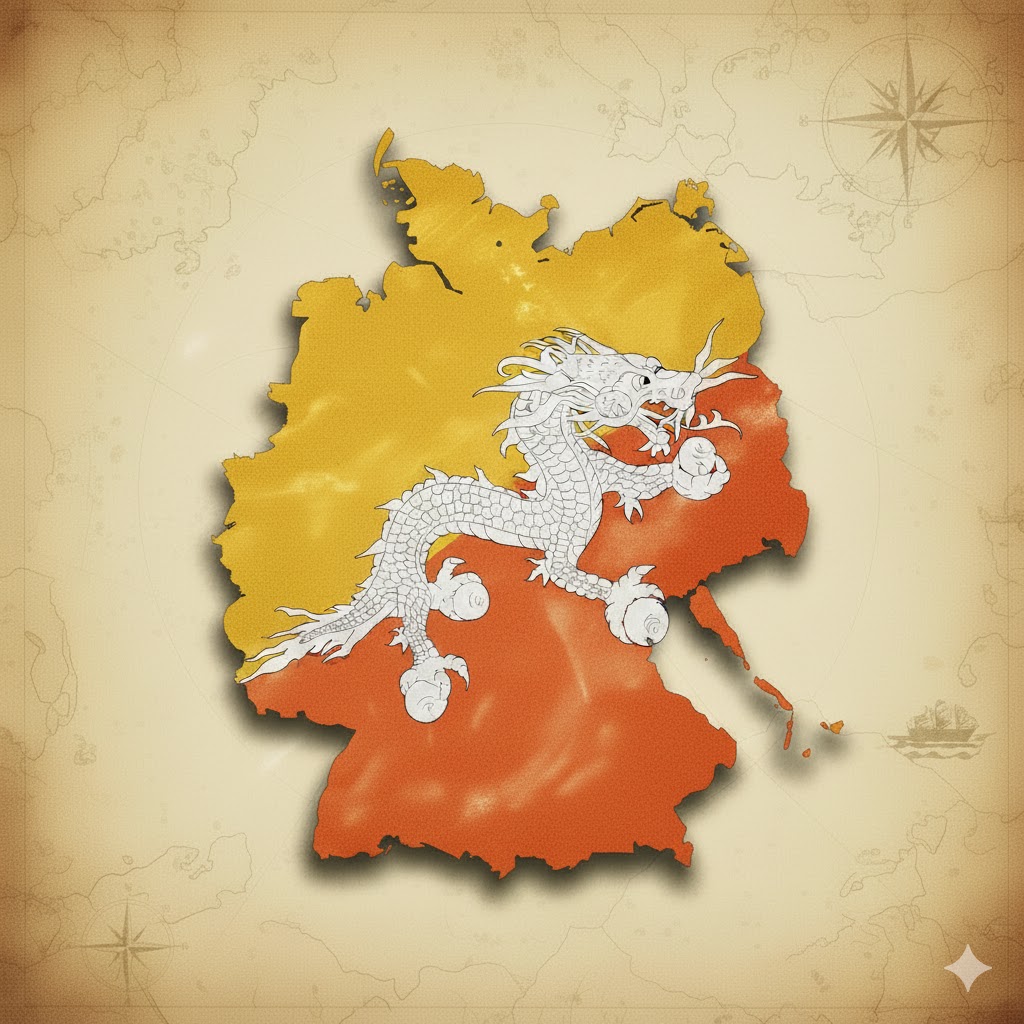
Culture & Heritage
Discover the rich history, art and traditions of Bhutan
Bhutan is a fascinating and isolated Buddhist kingdom located on the eastern slopes of the Himalayas, sandwiched between China and India. Known poetically as 'Druk Yul' (the Land of the Thunder Dragon), it is the only carbon negative country in the world and a pioneer in measuring its development using the Gross National Happiness (GNH) index. It stands out for its virgin high mountain landscapes, cliff-hanging monasteries such as Paro Taktsang, monumental monastery-fortresses (dzongs), intact spiritual devotion and the strict preservation of its ancient traditions.
Festivals & Events
The Dzongs are the administrative and religious heart of the country: Punakha Dzong at the confluence of the rivers; Tashichho Dzong in Thimphu (seat of government and throne of the Dragon King); Paro Rinpung Dzong with its wooden roofed bridge; and Trongsa Dzong, the most colossal fortress strategically perched above a gorge in the center of the country.
In addition to the Tiger's Nest (Paro Taktsang), highlights include Chimi Lhakhang (the famous fertility temple of Drukpa Kunley, the 'Divine Fool'), the Gangtey Monastery in Phobjikha and Kyichu Lhakhang in Paro, one of the oldest temples in Bhutan, founded in the 7th century by the Tibetan king Songtsen Gampo.
Bhutan jealously protects its mountain trails. The 'Druk Path Trek' connects Paro and Thimphu crossing sacred glacial lakes at over 4,000 metres; The 'Jomolhari Trek' leads to the base camp of the sacred Mount Jomolhari (7,326 m); and the legendary 'Snowman Trek' is considered one of the most demanding trekking expeditions on the planet, crossing passes of more than 5,000 meters.
Pilgrimage to the Tiger's Nest (Paro Taktsang)
Built in 1692 on a vertical rock ledge 900 meters above the Paro Valley floor, Paro Taktsang is the country's sacred icon. Tradition tells that the great teacher Guru Padmasambhava arrived here in the 8th century flying on the back of a tigress to meditate in a cave and subdue evil spirits. The hike up through dense coniferous forests covered with moss and prayer flags provides one of the most breathtaking views in the world as you cross the waterfall that precedes the monastery.
Admire the Majesty of the Punakha Dzong
Located in a subtropical valley with a temperate climate at the confluence of the 'mother' (Mo Chhu) and 'father' (Pho Chhu) rivers, the Punakha Dzong is unanimously considered the most beautiful in Bhutan. Built without the use of a single metal nail in 1637, its whitewashed courtyards, intricate gilded wood carvings, and flowering jacaranda trees serve as the winter residence of the central monastic body and the scene of royal coronations.
Witness the Mysticism of a Tshechu Festival
Tshechus are annual religious festivals that celebrate the sacred acts of Guru Rinpoche in the courtyards of dzongs. Monks and lay people dressed in lavish silk robes and sculpted masks perform 'Cham' dances, ritual dances that purify the attendees of their bad karmas and transmit Buddhist teachings. The display of a gigantic 'Thongdrel' (embroidered sacred tapestry) at dawn is the highlight of the festival.
See the Black-necked Cranes in Phobjikha
The Phobjikha (Gangtey) Glacial Valley is a protected natural sanctuary of extraordinary beauty. Every winter (October to March), hundreds of endangered black-necked cranes migrate from the Tibetan Plateau. Local belief states that these sacred birds fly three times in a circle over the Gangtey Monastery both when arriving and leaving as a sign of Buddhist devotion and respect.
Live the Ritual of Archery and the Dotsho Bath
Archery ('Dha') is the national sport par excellence. Two targets located at an astonishing distance of 145 meters are the target of archers who compete between traditional songs, celebration dances with each success and jokes between teams. After the day, nothing beats immersion in a 'Dotsho' (traditional wooden bath where the spring water is heated by introducing large red-hot river stones impregnated with aromatic medicinal herbs).
Cross the 108 Chörtens of the Dochula Pass
On the mountain road that connects Thimphu with Punakha, the Dochula Pass is crowned at 3,100 meters above sea level. On clear days, the viewpoint offers a breathtaking panorama of the Bhutanese Himalayas and the Gangkhar Puensum peak (7,570 m, the highest unclimbed mountain on the planet), framed by the 108 memorial chörtens raised between hills of rhododendrons.
Want to know more about Bhutan?
Discover the full guide with history, detailed itineraries, practical tips and all the information you need.
View full guideTips for Culture & Heritage
Sustainable Development Fee (SDF) and Mandatory Visa
Bhutan applies a strict 'High Value, Low Impact' tourism policy. All foreign tourists (except citizens of India and Maldives) must obtain a prior visa and pay a daily Sustainable Development Fee (SDF) per person to finance the kingdom's free public healthcare, education and ecological conservation.
Official Guide and Driver Mandatory
To travel within Bhutan, it is mandatory by law to hire the services of an official licensed Bhutanese tour guide and a professional driver for the entire duration of your stay. The itinerary must be arranged through an authorized tour operator or the official website of the Bhutan Tourism Department.
Dress Code and Respect in Dzongs and Temples
To access the interior of the Dzongs, temples and active monasteries, it is mandatory to dress with maximum decorum: long sleeves, long pants or skirts below the knee and closed footwear (shoes must be removed when entering the prayer rooms). Photographing the interior of sacred shrines and Buddhist statues is strictly prohibited.
TripMatches · Remember · Plan
What do you want to do with Bhutan?
Been to Bhutan or still want to go? Pick one and we'll take you straight to it.
Quick info
Full destination guide
Access the full profile: attractions, weather, gastronomy, events and more.
Discover this destination in depthExplore more nearby
Discover Bhutan in a different way
Explore different ways to experience this destination based on your travel style