

Explora la cultura de Bulgaria: Tradición viva
Sumérgete en la rica historia y cultura de Bulgaria a través de sus museos y monumentos.
Quick info
Bulgaria is full of cities that are living testimonies of its past. Sofia, the capital, offers an eclectic mix of Roman ruins, onion-domed Orthodox churches and Soviet-era architecture. Veliko Tarnovo, the medieval capital of the Second Bulgarian Empire, captivates with its Tsarevets fortress and houses hanging over the Yantra River. Plovdiv, meanwhile, is a treasure trove of Renaissance architecture and Roman ruins.

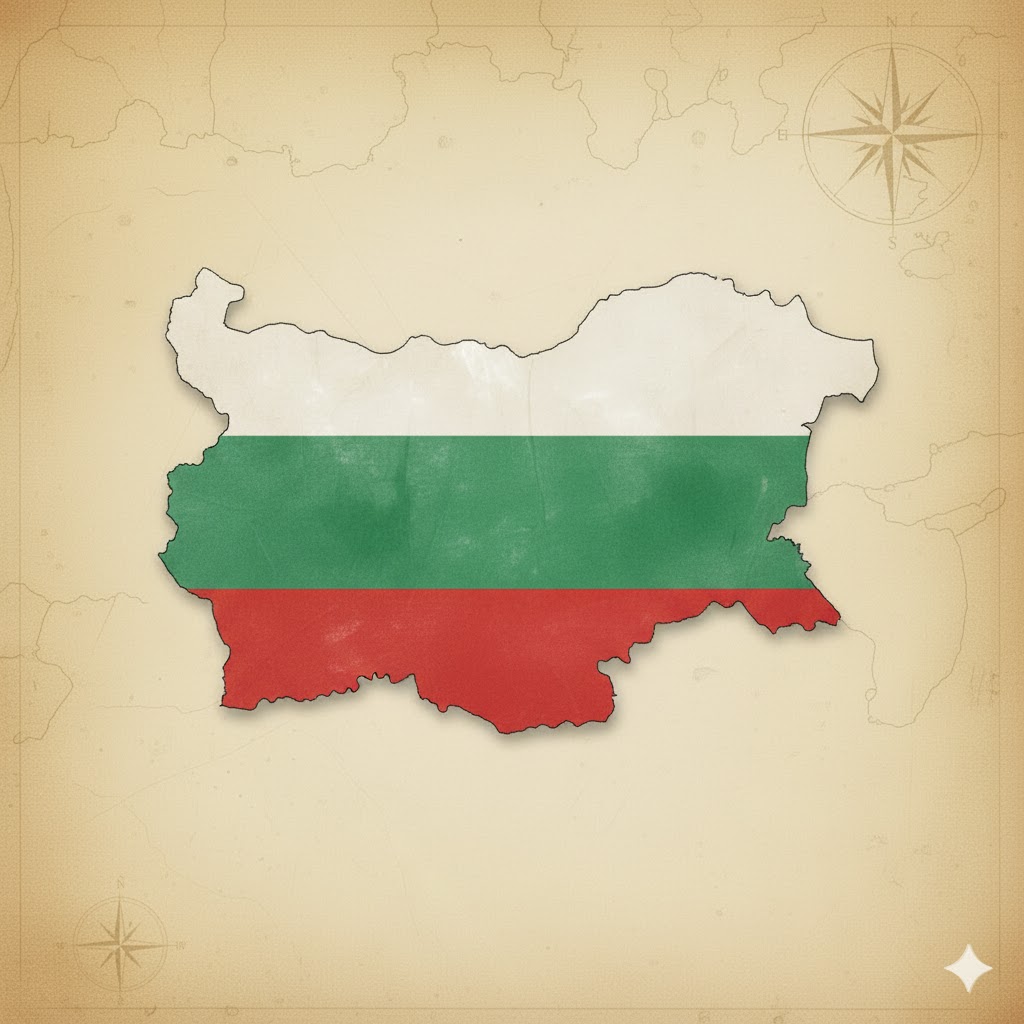
Bulgaria is a country located in southeastern Europe, on the Balkan Peninsula. It is known for its rich history, including Thracian, Greek, Roman and Ottoman remains, its Orthodox monasteries, its mountainous landscapes ideal for hiking and its sunny beaches on the Black Sea.
Culture & Heritage
Discover the rich history, art and traditions of Bulgaria
Bulgaria is a country located in southeastern Europe, on the Balkan Peninsula. It is known for its rich history, including Thracian, Greek, Roman and Ottoman remains, its Orthodox monasteries, its mountainous landscapes ideal for hiking and its sunny beaches on the Black Sea.
Festivals & Events
Bulgaria is full of cities that are living testimonies of its past. Sofia, the capital, offers an eclectic mix of Roman ruins, onion-domed Orthodox churches and Soviet-era architecture. Veliko Tarnovo, the medieval capital of the Second Bulgarian Empire, captivates with its Tsarevets fortress and houses hanging over the Yantra River. Plovdiv, meanwhile, is a treasure trove of Renaissance architecture and Roman ruins.
The Bulgarian Riviera offers a combination of long sandy beaches, lively nightlife and old coastal towns. Nesebar, a UNESCO World Heritage museum island, is full of medieval churches. Sozopol seduces with its old town of wooden houses and its artistic atmosphere. For those seeking sun and resorts, Sunny Beach and Golden Sands are the most popular destinations.
Almost a third of Bulgaria is covered in forest, with several national parks protecting its biodiversity. Rila National Park is home to the highest peak in the Balkans, Musala, and the famous Seven Rila Lakes. The Pirin National Park (UNESCO) is a paradise for hiking between glacial lakes and ancient pine forests. The Central Balkans offer wild landscapes and spectacular waterfalls such as Raysko Praskalo.
Visit the Rila Monastery
Founded in the 10th century, Rila Monastery is the spiritual and architectural symbol of Bulgaria and a World Heritage Site. Located in a spectacular valley in the Rila Mountains, it impresses with its walls, its black and white striped archways and, above all, the vibrant frescoes that cover its main church, depicting biblical scenes in astonishing detail. It is an essential visit to understand the soul of the country.
Getting lost in the old town of Plovdiv
Plovdiv, one of the oldest cities in Europe, is a true feast for the senses. Its old town is a labyrinth of cobblestone streets flanked by colorful Bulgarian National Revival houses, with their characteristic jutting upper floors. In addition to its well-preserved Roman theater, the city vibrates with a bohemian atmosphere, especially in the creative Kapana neighborhood.
Celebrate the beginning of spring with Martenitsa
One of the most beautiful and deep-rooted traditions in Bulgaria. On March 1 (Baba Marta or 'Grandma March' day), Bulgarians give each other 'martenitsi', small amulets made of red and white thread that symbolize health, luck and the arrival of spring. They are worn tied to the wrist or pinned to clothing until the first stork or flowering tree is seen, when they are hung from a tree to make a wish.
Attend the Kukeri ritual
To drive away the evil spirits of winter and attract a good harvest, men dressed in elaborate and terrifying fur costumes and large wooden masks dance rhythmically, ringing heavy bells tied to their waists. This impressive pagan ritual, celebrated mainly between January and March, is one of the most spectacular and oldest traditions in Bulgaria.
Explore the Black Sea coast
The Bulgarian coast offers much more than large resorts. Historic cities like Nesebar (World Heritage Site), with its ruins and more than 40 Byzantine churches on a small peninsula, and Sozopol, with its charming old town of wooden houses, offer a perfect mix of beach, history and bohemian atmosphere.
Discover the secrets of Bulgarian wine
Bulgaria has one of the oldest wine traditions in the world. The festival of Trifon Zarezan, on February 14, celebrates the patron saint of winegrowers with pruning rituals in the vineyards. Exploring local wineries, especially in regions like Melnik, famous for its robust local red grapes, is a great way to get a taste of the country's culture and flavors.
Culture plan
Book a cultural tour in Bulgaria
Skip-the-line access and verified local guides
Want to know more about Bulgaria?
Discover the full guide with history, detailed itineraries, practical tips and all the information you need.
View full guideTips for Culture & Heritage
Schedules
Business hours are usually from 10:00 to 20:00 in large cities. In restaurants, lunch is served from 12:00 to 15:00 and dinner from 19:00. Bulgarians usually eat dinner relatively early compared to other southern European countries.
Internal Transportation
Bulgaria has a bus network that connects most cities and towns, generally being faster and more efficient than trains. The train is an economical and scenic option for certain routes. Renting a car offers maximum flexibility for exploring rural areas and monasteries, although some secondary roads may be in poor condition.
Language
The official language is Bulgarian, which uses the Cyrillic alphabet. In tourist areas, hotels and restaurants it is possible to communicate in English, but in more rural areas it can be a challenge. Learning some basic Bulgarian words and becoming familiar with the Cyrillic alphabet is very useful and appreciated by locals.
Tickets and monuments in Bulgaria
Check availability and pricesTripMatches · Remember · Plan
What do you want to do with Bulgaria?
Been to Bulgaria or still want to go? Pick one and we'll take you straight to it.
Quick info
Full destination guide
Access the full profile: attractions, weather, gastronomy, events and more.
Discover this destination in depthExplore more nearby
You might also like
Discover Bulgaria in a different way
Explore different ways to experience this destination based on your travel style
Bulgaria Theme Parks & Rides
Discover theme parks and amusement parks, from legendary roller coasters to immersive worlds and family experiences.
Bulgaria Christmas Markets
European Christmas market guides with seasonal dates, activities and practical visit-planning advice.
Bulgaria Budget
Affordable travel, free activities and smart tips to save money.
Bulgaria Train Travel
Scenic rail routes, historic stations and slow travel by train.
Bulgaria Culture & Heritage
Museums, historic monuments, architecture and immersive cultural experiences.
Bulgaria Gastronomy
Discover local cuisine, traditional markets, wineries and unique culinary experiences.