

Explora la cultura de Faro: Tradición viva
Sumérgete en la rica historia y cultura de Faro a través de sus museos y monumentos.
Faro is the capital of the Algarve region, located in the south of Portugal, known for its rich history, strategic geographical location and natural beauty. The city is located next to the Ria Formosa lagoon, a natural park of great ecological importance that protects a series of barrier islands and wetlands. Faro stands out for its walled old town, which preserves Roman, Byzantine and Moorish vestiges, reflecting its past as an important commercial port called Ossonoba in Roman times. With an approximate population of 60,000 inhabitants in the city and more than 120,000 in its metropolitan area, Faro combines tradition and modernity, being a key cultural, administrative and tourist center in the Algarve. Its mild and sunny Mediterranean climate, together with its architectural and natural heritage, make Faro a special destination for visitors seeking history, nature and nearby beaches. In addition, Faro is an important connection point with the international airport that serves the entire Algarve region.
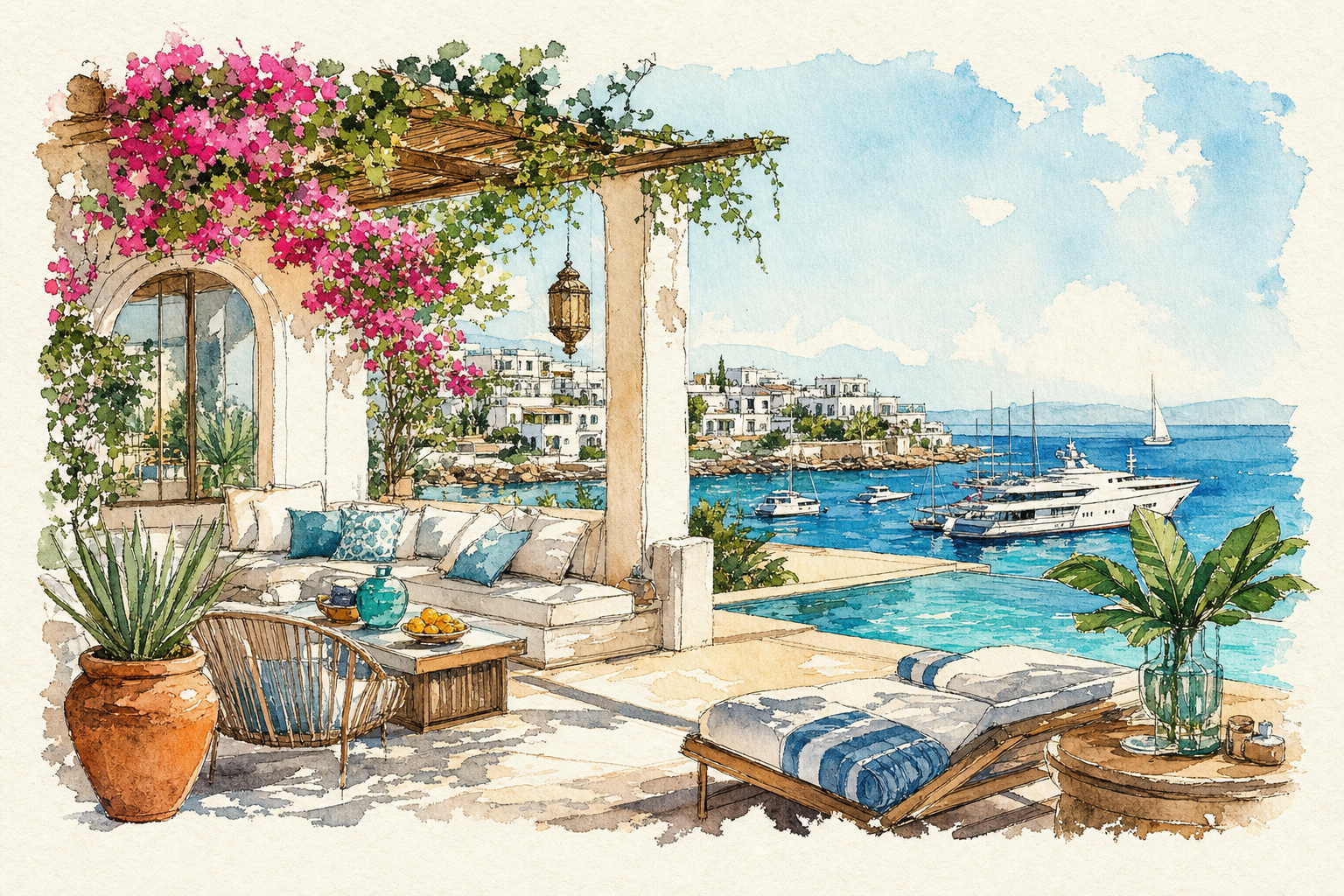
Tickets and monuments in Faro
Check availability and pricesTripMatches · Remember · Plan
What do you want to do with Faro?
Been to Faro or still want to go? Pick one and we'll take you straight to it.


Culture & Heritage
Discover the rich history, art and traditions of Faro
Faro offers a modest cultural scene with museums, festivals and local events, although not as extensive as in larger cities.
Best of local culture
Museums & Galleries
Jardim Manuel Bivar
Urban park located in front of the Faro Marina, known for its relaxed atmosphere, artisan market and a reading booth with books for exchange.
Igreja do Carmo and Chapel of Bones
Baroque church from the 18th century famous for its yellow façade and two bell towers, which houses the Chapel of Bones built with the bones of more than 1,000 religious.
Murallas of Faro
Remains of the ancient walls that protected the city, with visible sections in the historic center that show the defensive evolution of Faro over the centuries.
Museo Municipal of Faro
Museum that houses a collection of artifacts from Roman to Neoclassical times, including Roman mosaics and a garden with a cloister watched over by gargoyles.
Festivals & Events
Festival MED
Último fin de semana de junioInternational world music festival held in the Historic Center of Faro, with bands and artists from all over the world. It includes music, street entertainment, literature, crafts, plastic arts, cinema, activities for children and multicultural gastronomy.
Festas da Ria Formosa
Summer (mainly July and August)Local celebrations that honor the gastronomic and cultural richness of the Faro region, especially focused on seafood and fishing tradition. They include live music, food fairs and cultural activities.
Feira of Santa Iria
September and OctoberTraditional fair with a long history in Faro that exhibits local crafts, agricultural products, regional gastronomy and cultural activities. It is an opportunity to learn about the agrarian roots and popular culture of Faro.
History
Origins
The origins of Faro date back to ancient times, when it was known as Ossonoba during Roman times. It was an important urban center and commercial port, with walls, temples and public baths. Before the Romans, the area was already inhabited since prehistoric times due to the natural wealth of the Ria Formosa lagoon. After the fall of the Roman Empire, the city passed through Visigoth and Byzantine dominions, who left traces in the fortifications. In the 8th century, it was conquered by the Moors, who reinforced its defenses and left a profound cultural and architectural influence.
Development
During the Middle Ages, Faro was reconquered by King Alfonso III of Portugal in 1249, fully integrating into the Kingdom of Portugal. The city grew around its walled old town, with buildings such as the Faro Cathedral, built on an old mosque. In the following centuries, Faro was an important administrative and commercial center in the Algarve, resisting pirate attacks and participating in Portuguese maritime expansion. Its urban development was characterized by the mixture of architectural styles and the conservation of its historical heritage.
Modern era
In the 20th and 21st centuries, Faro has modernized while maintaining its historical essence. The development of the international airport and the expansion of tourism have boosted its economy and urban growth. The city has invested in preserving its old town and promoting local culture, with museums and events that attract visitors. Today, Faro is a dynamic center that combines heritage, nature and modern services, playing a key role in the contemporary Algarve.
Ratings
Scores by category
Culture
Faro offers a modest cultural scene with museums, festivals and local events, although not as extensive as in larger cities.
Heritage
Faro has a rich history visible in its architecture and museums, being a key point in the history of the Algarve.
Architecture
Faro presents an architecture that combines historical elements with modern constructions, highlighting its well-preserved old town.
Want to know more about Faro?
Discover the full guide with history, detailed itineraries, practical tips and all the information you need.
View full guideTips for Culture & Heritage
Local secrets
Tips local of Faro
best moments
When to visit
Local language
Languages spoken in Faro
Local customs
Cultura of Faro
Healthcare system
Health Tips for Faro
Pharmacies
Pharmacy information
General Security
Safety Tips for Faro
Areas to avoid
Information about less safe areas
TripMatches · Remember · Plan
What do you want to do with Faro?
Been to Faro or still want to go? Pick one and we'll take you straight to it.
Quick info
Full destination guide
Access the full profile: attractions, weather, gastronomy, events and more.
Discover this destination in depthExplore more nearby
You might also like
Discover Faro in a different way
Explore different ways to experience this destination based on your travel style
Faro Digital Nomad
Connectivity, living costs and practical conditions for working remotely.
Faro Budget
Affordable travel, free activities and smart tips to save money.
Faro Train Travel
Scenic rail routes, historic stations and slow travel by train.
Faro Romantic
Couples getaways, sunsets, boutique hotels and intimate experiences.
Faro Culture & Heritage
Museums, historic monuments, architecture and immersive cultural experiences.
Faro Gastronomy
Discover local cuisine, traditional markets, wineries and unique culinary experiences.