

Explora la cultura de Gothenburg: Tradición viva
Sumérgete en la rica historia y cultura de Gothenburg a través de sus museos y monumentos.
Gothenburg is the second largest city in Sweden and the fifth largest in the Nordic countries, located on the west coast of the country, at the mouth of the Göta älv river into the Kattegat Strait. Founded in 1621 by King Gustav II Adolf, the city was designed with an urban style influenced by Dutch cities, giving it a unique character with numerous canals and wide avenues. Gothenburg is an important industrial and port center, with the largest port in the Nordic countries, which remains operational all year round thanks to its unfrozen waters. The city is home to large companies such as Volvo and SKF, and is home to two major universities, the University of Gothenburg and Chalmers University of Technology, which attract a large student population. With approximately 600,000 inhabitants in the city and around 1.1 million in its metropolitan area, Gothenburg combines its industrial tradition with a vibrant cultural life, international events, parks and a reputation for being a welcoming and dynamic city. Its mix of history, modernity, nature and culture make it a special destination in Sweden and Scandinavia.
Tickets and monuments in Gothenburg
Check availability and pricesTripMatches · Remember · Plan
What do you want to do with Gothenburg?
Been to Gothenburg or still want to go? Pick one and we'll take you straight to it.

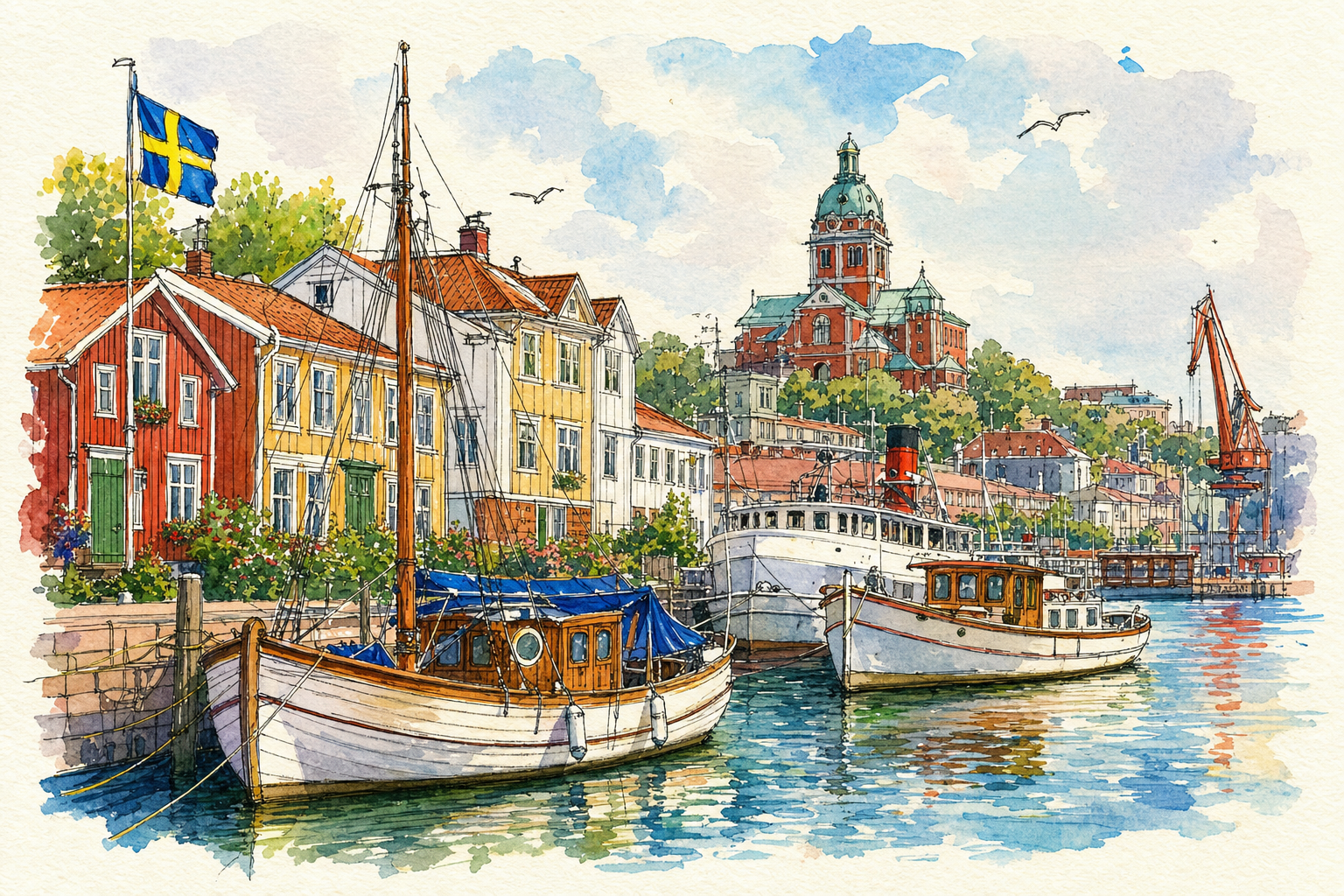
Culture & Heritage
Discover the rich history, art and traditions of Gothenburg
The city is a major cultural center in Sweden, with numerous museums, theaters and festivals reflecting a vibrant arts and cultural scene.
Best of local culture
Museums & Galleries
Gothenburg Art Museum
Museum with collections ranging from the 16th century to contemporary art, located in Götaplatsen, recognized for its wide variety and artistic quality.
Hasselblad Center
Center dedicated to contemporary photography, located in Götaplatsen, with temporary and permanent exhibitions by internationally recognized photographers.
Universe
Science center and urban zoo with a large aquarium, reptiles, birds and small primates, designed for education and family entertainment.
Gothenburg Natural History Museum
Museum with an extensive taxidermy collection and exhibits on nature and natural history, with free admission and an educational focus.
Festivals & Events
Gothenburg Film Festival
end of januaryScandinavia's largest film festival, lasting 10 days and presenting around 450 films from 70 countries at various locations in central Gothenburg. The event includes the presentation of the prestigious 'Dragon Awards'.
Göteborgs Kulturkalas (Gothenburg Cultural Festival)
AugustOne of the largest cultural festivals in Scandinavia that transforms the city's streets and squares into a grand celebration of Swedish culture with live music, dance, film, street art, crafts, comedy, poetry and gastronomy. Free event that attracts almost a million attendees.
West Pride
JuneGothenburg's annual big LGBTQ community celebration, with parades, cultural events, music and activities to celebrate LGBTQ diversity and rights.
History

Origins
Before its official founding in 1621, the area where Gothenburg is located was inhabited by Nordic peoples and Germanic tribes. The region was part of the historic province of West Göthia and was the scene of territorial disputes between Danes, Norwegians and Swedes. There are no significant ancient urban settlements prior to the founding of the city, but the strategic location at the mouth of the Göta River was always a key point for trade and defense.
Development
Gothenburg was founded in 1621 by King Gustav II Adolphus with the purpose of establishing a Swedish port on the west coast, which would facilitate trade and defense against Denmark and Norway. The city was designed with Dutch influence, with canals and fortifications to protect it from attack. During the early modern period, Gothenburg grew as a commercial and naval center, highlighting the founding of the Swedish East India Company that boosted international trade. In the 18th and 19th centuries, the city rapidly industrialized, becoming a hub for shipbuilding and manufacturing, attracting workers and fostering urban development.
Modern era
In the 20th century, Gothenburg established itself as an industrial center of Sweden, especially with the founding of Volvo in 1927, which marked a milestone in the local economy. The city experienced significant demographic and urban growth, with the expansion of neighborhoods and modernization of infrastructure. In recent decades, Gothenburg has diversified its economy into technology, education and tourism, hosting international events such as the Gothenburg Film Festival and the Way Out West music festival. Currently, it is a modern city with a balance between industry, culture and nature, maintaining its strategic and economic importance in Sweden and the Nordic countries.
Ratings
Scores by category
Culture
The city is a major cultural center in Sweden, with numerous museums, theaters and festivals reflecting a vibrant arts and cultural scene.
Heritage
Gothenburg has an important industrial and maritime history, although its historical relevance is minor compared to other older Swedish cities.
Architecture
Gothenburg combines historic and modern architecture, highlighting renovated industrial buildings and a careful urban design that mixes the traditional with the contemporary.
Want to know more about Gothenburg?
Discover the full guide with history, detailed itineraries, practical tips and all the information you need.
View full guideTripMatches · Remember · Plan
What do you want to do with Gothenburg?
Been to Gothenburg or still want to go? Pick one and we'll take you straight to it.
Quick info
Full destination guide
Access the full profile: attractions, weather, gastronomy, events and more.
Discover this destination in depthExplore more nearby
Discover Gothenburg in a different way
Explore different ways to experience this destination based on your travel style
Gothenburg Theme Parks & Rides
Discover theme parks and amusement parks, from legendary roller coasters to immersive worlds and family experiences.
Gothenburg Christmas Markets
European Christmas market guides with seasonal dates, activities and practical visit-planning advice.
Gothenburg Digital Nomad
Connectivity, living costs and practical conditions for working remotely.
Gothenburg Train Travel
Scenic rail routes, historic stations and slow travel by train.
Gothenburg Romantic
Couples getaways, sunsets, boutique hotels and intimate experiences.
Gothenburg Culture & Heritage
Museums, historic monuments, architecture and immersive cultural experiences.