Loading destination...
Loading destination...
Loading destination...
Loading destination...
Loading destination...
Loading destination...

Sumérgete en la rica historia y cultura de Kosovo a través de sus museos y monumentos.
Kosovo is a landlocked country in the heart of the Balkans, defined by a complex history, a spirit of resilience and a landscape of rugged hills and mountains. It is a land of contrasts, where Serbian Orthodox monasteries, a World Heritage Site, coexist with a predominantly Albanian culture and one of the youngest and most pro-European populations on the continent.
TripMatches · Remember · Plan
Been to Kosovo or still want to go? Pick one and we'll take you straight to it.
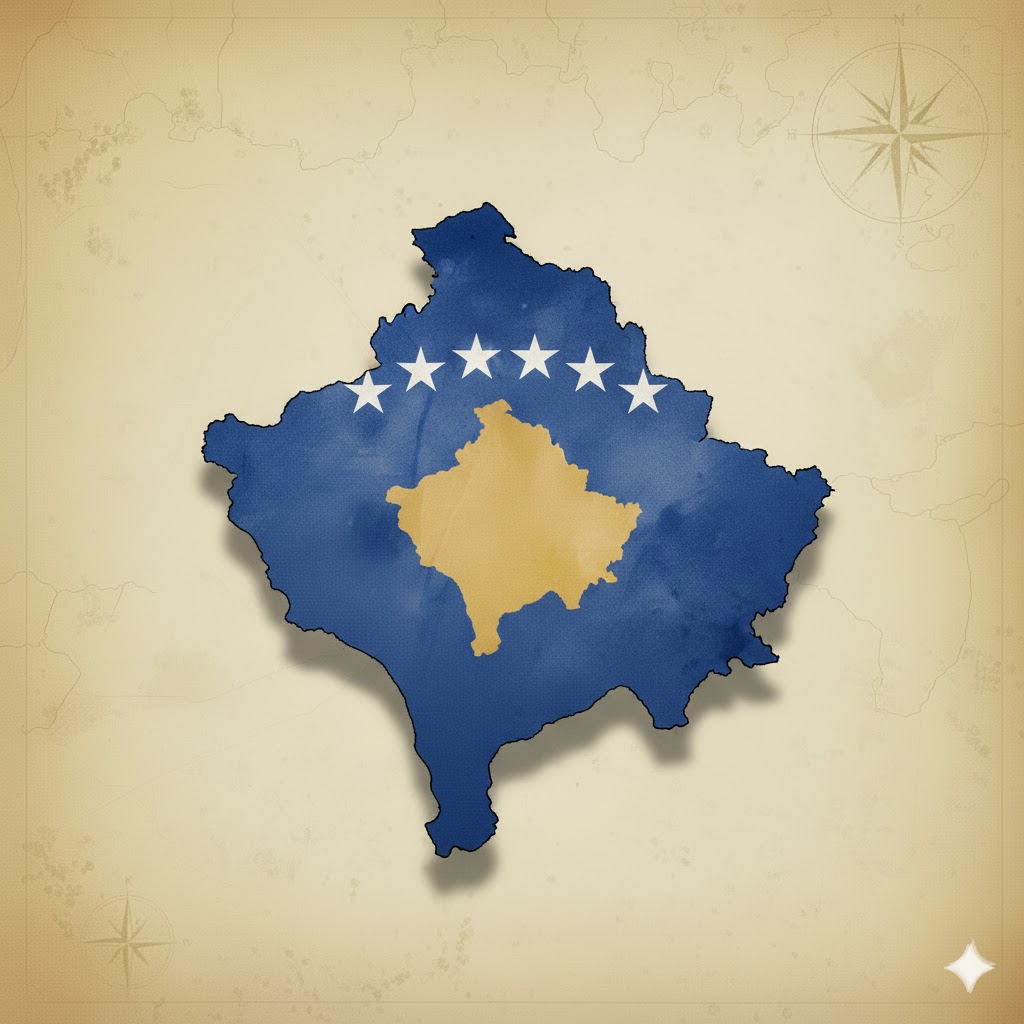
Discover the rich history, art and traditions of Kosovo
Kosovo is a landlocked country in the heart of the Balkans, defined by a complex history, a spirit of resilience and a landscape of rugged hills and mountains. It is a land of contrasts, where Serbian Orthodox monasteries, a World Heritage Site, coexist with a predominantly Albanian culture and one of the youngest and most pro-European populations on the continent.
Walking through the steep streets of Prizren's old town to reach its fortress (Kalaja) is a must-do experience. The panoramic views of the city, with its red roofs, the Bistrica River and the minaret of the Sinan Pasha Mosque, are spectacular, especially during the call to prayer at sunset.
Just outside the town of Peja (Peć) is the impressive Rugova Canyon. It is a paradise for adventure lovers, with hiking trails, the spectacular 'Iron Gorge' via ferrata, caves to explore and mountain landscapes that are part of the famous 'Balkan Peaks' cross-border route.
Pristina has one of the most vibrant coffee cultures in Europe. The terraces and designer cafes are always full of young people. Ordering a macchiato and spending the afternoon watching the hustle and bustle of the city is the best way to connect with the energy and optimism of the capital.
Exploring Serbian medieval monasteries is like traveling to another time. The Visoki Dečani Monastery, with its incredible frescoes, the Patriarchate of Peć, the spiritual center of the Serbian church, and the Gračanica Monastery, near Pristina, are oases of peace and masterpieces of Byzantine art.
This iconic monument in Pristina, unveiled on the day of Kosovo's declaration of independence in 2008, is a living symbol of the country. Every year, on the anniversary of independence, its appearance is transformed with a new artistic design that reflects the social and political issues of the moment.
The 'kullas' are fortified stone tower houses, typical of Albanian architecture. Some, such as the Kulla of Haxhi Zeka in Peja or those in the Dečani region, have been restored and can be visited, offering a fascinating insight into the family life and traditions of the region.
Discover the full guide with history, detailed itineraries, practical tips and all the information you need.
View full guideKosovo uses the Euro (€) as its de facto currency, despite not being a member of the Eurozone. This makes travel much easier for European visitors. Cash is still very useful, especially in rural areas.
The bus network is the most practical and economical way to get around the country. There are frequent and cheap connections between all major cities and towns. There is no functional passenger train network for tourism.
The official languages are Albanian and Serbian. Albanian is the majority language and is spoken throughout the country. English is very common among young people, making communication surprisingly easy in cities.
TripMatches · Remember · Plan
Been to Kosovo or still want to go? Pick one and we'll take you straight to it.
Access the full profile: attractions, weather, gastronomy, events and more.
Discover this destination in depth