

Explora la cultura de Nicaragua: Tradición viva
Sumérgete en la rica historia y cultura de Nicaragua a través de sus museos y monumentos.
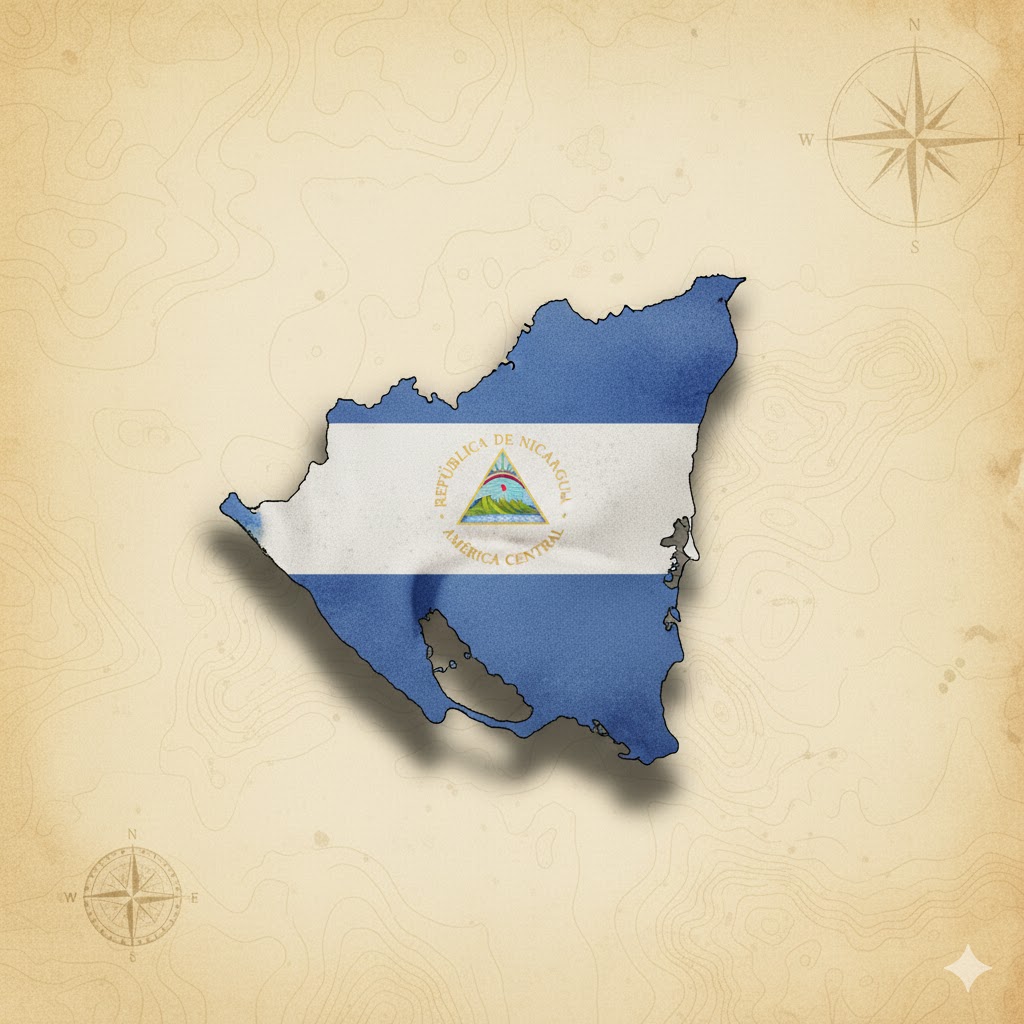
Nicaragua is the largest country in Central America, bordered by the coasts of the Pacific Ocean and the Caribbean Sea. It is known worldwide for its extraordinary geography of active volcanoes and gigantic lakes (such as Lake Cocibolca), its historic colonial cities of Granada and León, its world-class surfing waves on the Costa Esmeralda, the mystical Somoto Canyon and the unspoilt beauty of the Corn Islands.
TripMatches · Remember · Plan
What do you want to do with Nicaragua?
Been to Nicaragua or still want to go? Pick one and we'll take you straight to it.
Culture & Heritage
Discover the rich history, art and traditions of Nicaragua
Nicaragua is the largest country in Central America, bordered by the coasts of the Pacific Ocean and the Caribbean Sea. It is known worldwide for its extraordinary geography of active volcanoes and gigantic lakes (such as Lake Cocibolca), its historic colonial cities of Granada and León, its world-class surfing waves on the Costa Esmeralda, the mystical Somoto Canyon and the unspoilt beauty of the Corn Islands.
Festivals & Events
The Maribios Mountain Range offers unique challenges: descending the Cerro Negro on a board; observe incandescent lava at the Masaya Volcano; ascend the active Telica Volcano to camp on the edge of the crater; or climb the Momotombo Volcano, iconic guardian on the shores of Lake Xolotlán.
Granada dazzles with its Church of La Merced, the San Francisco Convent and its carriage rides. León, university and cultural cradle, captivates with its baroque churches, the tomb of Rubén Darío in its World Heritage Cathedral and its Ortiz-Gurdián Foundation Art Museum, one of the most valuable art collections in Central America.
Lake Nicaragua is the largest in Central America. Ometepe Island offers ecotourism between waterfalls and twin volcanoes; The Isletas de Granada allow you to kayak between small tropical islands inhabited by monkeys and birds; and the remote Solentiname Archipelago inspires with its communities of primitivist painters and balsa wood craftsmen.
Do Volcano Boarding in Cerro Negro
Near León is Cerro Negro, one of the youngest and most active volcanoes in Central America. After a one-hour walk carrying a wooden board to the edge of the crater, adventurers put on a protective jumpsuit and slide, sitting or standing, down the steep slope of gravel and black volcanic ash, reaching speeds of up to 70 km/h with panoramic views of the Maribios mountain range.
Explore the Mystical River Paradise of Ometepe Island
Emerging from the waters of the immense Lake Cocibolca, Ometepe is a sacred island in the shape of an eight formed by two volcanoes: the active Concepción (1,610 m), with a perfect cone, and the extinct Maderas (1,394 m), covered in cloud forest with a lagoon in its crater. It is a biodiversity sanctuary where you can pedal between waterfalls like San Ramón, swim in the natural spring of Ojo de Agua and discover pre-Columbian petroglyphs.
Look into the 'Hell's Mouth' in the Masaya Volcano
The Masaya Volcano National Park is one of the few places in the world where you can reach the edge of an active crater by vehicle. As night falls, looking into the Santiago crater allows you to contemplate the hypnotic glow of a bubbling lava lake while hundreds of chocoyos (green parakeets) nest on the rock walls, defying the sulfurous vapors.
Walk through the White Roofs of León and the Color of Granada
Granada seduces with its impeccable colonial architecture, its horse carriages and its lively lakeside plaza; while León, the intellectual capital of the country, dazzles with its revolutionary murals and the majestic Cathedral Basilica of the Assumption. Climbing barefoot to its whitewashed domes at sunset provides an unparalleled view of the city and the surrounding volcanic chain.
Immerse yourself in the Caribbean Peace of Little Corn Island
Located about 70 km off the Caribbean coast, Little Corn Island is a motor vehicle-free tropical gem. Surrounded by coral reefs teeming with nurse sharks, eagle rays and sea turtles, the island invites you to walk along dirt paths among coconut trees, rest in hammocks in front of crystal-clear turquoise waters and savor fresh lobster in beach huts.
Venture into Somoto Canyon
Near the border with Honduras, the Coco River has sculpted an imposing canyon for millions of years with vertical walls of limestone rock that exceed 150 meters in height. The journey combines guided walks, jumping into the water from rocky ledges, floating on tires and swimming sections between shadowy gorges of extraordinary geological beauty.
Want to know more about Nicaragua?
Discover the full guide with history, detailed itineraries, practical tips and all the information you need.
View full guideTips for Culture & Heritage
Currency and Dual Circulation (Córdoba and USD)
The official currency is the Nicaraguan Córdoba (NIO). US Dollars (USD) in cash are universally accepted in most hotels, restaurants, ferries and tourist activities (it is crucial that the bills have no tears or stamps). Credit cards are accepted in major cities, but when traveling to Ometepe, Corn Islands or rural areas it is essential to carry enough cash.
Internal Transport, 'Chicken Buses' and Ferries
For economical trips between cities, traditional decorated North American buses ('chicken buses') or express vans ('interlocals') are used. To go to Ometepe you take the regular ferry from the port of San Jorge to Moyogalpa or San José del Sur. To get to Corn Islands the most comfortable thing is to fly by local plane (La Costeña) from Managua to Big Corn and cross to Little Corn by boat ('panga').
Safety and Hospitality Pinolera
Nicaragua has historically been one of the countries with the lowest rates of violent crime in the Central American region. Nicaraguans are known for their selfless kindness and respectful treatment of visitors. As with any trip, it is recommended to take common sense precautions in Managua bus terminals and avoid walking at night in poorly lit areas.
TripMatches · Remember · Plan
What do you want to do with Nicaragua?
Been to Nicaragua or still want to go? Pick one and we'll take you straight to it.
Quick info
Full destination guide
Access the full profile: attractions, weather, gastronomy, events and more.
Discover this destination in depthExplore more nearby
You might also like
Discover Nicaragua in a different way
Explore different ways to experience this destination based on your travel style