

Explora la cultura de Pakistan: Tradición viva
Sumérgete en la rica historia y cultura de Pakistan a través de sus museos y monumentos.
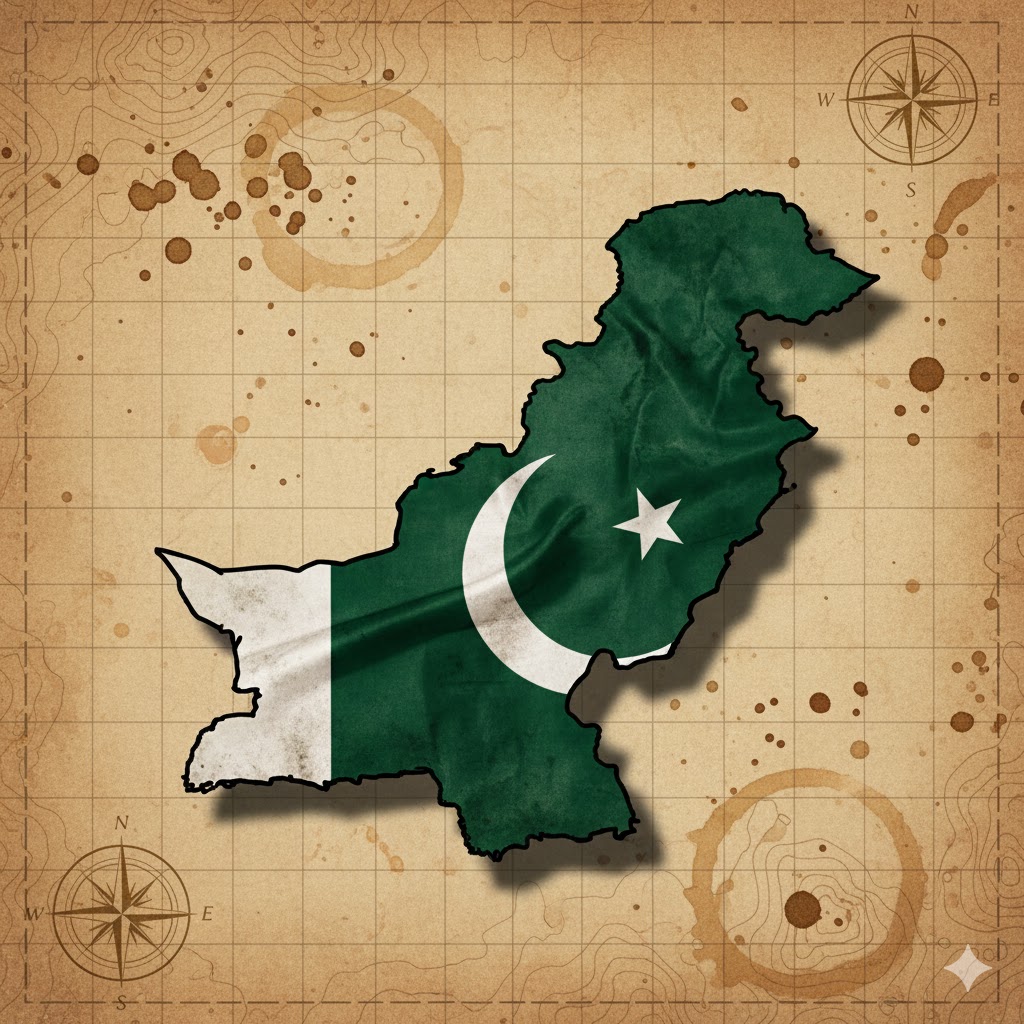
Pakistan is a fascinating country in South Asia that extends from the warm waters of the Arabian Sea to the most awe-inspiring mountain ranges on the planet: the Himalayas, the Karakorams and the Hindu Kush. It is famous for being home to five of the Earth's fourteen 'eight thousand' (including K2 and Nanga Parbat), ancient vestiges of the civilization of the Indus Valley and the Kingdom of Gandhara, the monumental architecture of the Mughal Empire in Lahore, and incomparable human warmth and hospitality.
TripMatches · Remember · Plan
What do you want to do with Pakistan?
Been to Pakistan or still want to go? Pick one and we'll take you straight to it.
Culture & Heritage
Discover the rich history, art and traditions of Pakistan
Pakistan is a fascinating country in South Asia that extends from the warm waters of the Arabian Sea to the most awe-inspiring mountain ranges on the planet: the Himalayas, the Karakorams and the Hindu Kush. It is famous for being home to five of the Earth's fourteen 'eight thousand' (including K2 and Nanga Parbat), ancient vestiges of the civilization of the Indus Valley and the Kingdom of Gandhara, the monumental architecture of the Mughal Empire in Lahore, and incomparable human warmth and hospitality.
Festivals & Events
Gilgit-Baltistan is the epicenter of world mountaineering. In Skardu, the Shigar Valley and the Baltoro Glacier lead to Concordia ('The Plaza of the Gods'), where you can admire the largest concentration of peaks over 8,000 meters in the world (K2, Broad Peak, Gasherbrum I and II). Deosai National Park ('The Land of the Giants') displays the second highest alpine plateau in the world at more than 4,000 meters.
The Hunza Valley captivates with its centuries-old wooden and stone fortresses, the Hussaini rope suspension bridges and the Passu and Batura glaciers. In the Chitral district, the isolated valleys of the Kalash and the Shandur Pass (home to the world's highest polo tournament at 3,700 m) offer a unique anthropological window.
Lahore preserves masterpieces of Mughal art: the Shalimar Gardens, the Jahangir Mausoleum and the Lahore Fort with its Palace of Mirrors (Sheesh Mahal). Further south, Multan ('The City of Saints') impresses with its sky-domed Sufi mausoleums covered with blue 'kashi' tiles.
Travel along the Karakoram Highway and Hunza Valley
Considered the 'Eighth Wonder of the World', the Karakoram Highway (KKH) is one of the highest and most spectacular paved roads on the planet. Following an ancient branch of the Silk Road, it crosses the Hunza Valley, guarded by historical fortresses such as Altit and Baltit and dominated by the snow wall of Rakaposhi Peak (7,788 m), until reaching the Khunjerab Pass at 4,693 meters on the border with China.
Camping at Fairy Meadows in front of the Nanga Parbat Wall
Accessing Fairy Meadows involves an exciting jeep ride along a track hanging into the abyss followed by a walk through pine forests. Upon reaching these alpine meadows, one of the most breathtaking mountain views in the world is seen: the colossal Raikhot slope of Nanga Parbat ('The Killer Mountain', 8,126 m), a vertical wall of rock and hanging glaciers that rises more than 4,000 meters above the valley.
Immerse yourself in the Mughal Legacy and Life of Lahore
Lahore is the cultural heart of Pakistan. Walking through the Walled City through the Delhi Gate leads to the Wazir Khan Mosque, covered in intricate polychrome ceramic tiles ('kashi-kari'). At sunset, the esplanade of the gigantic Badshahi Mosque and the Lahore Fort offer a magical atmosphere of red sandstone and illuminated marble domes.
Living with the Kalash People in Chitral
In three remote valleys of the Hindu Kush (Bumburet, Rumbur and Birir) lives the Kalash community, a unique ethnic minority that maintains an ancient polytheistic and animist religion. Women wear colorful black embroidered dresses with shell and beaded headdresses ('kupis'), celebrating seasonal festivals (such as Chilam Joshi and Chaumos) with songs, collective dances and artisanal wine.
Sail the Turquoise Waters of Lake Attabad
Formed in 2010 after a massive landslide blocked the course of the Hunza River, Lake Attabad is a visual wonder of bright turquoise blue waters that contrast dramatically with the arid gray rock cliffs of the Karakoram. Crossing it by traditional boat allows you to contemplate the famous 'Conos de Passu' (Passu Cathedral) rising on the horizon.
Feel the Ecstasy of Qawwali in Sufi Mausoleums
Sufi mysticism permeates Pakistani spiritual life. Attending 'Qawwali' music sessions on a Thursday night at shrines such as Data Darbar in Lahore or Shah Rukn-e-Alam in Multan is a cathartic experience: musicians play harmonium and tabla while singing poetic devotional verses with synchronized clapping and a fervor that transports one to ecstasy.
Want to know more about Pakistan?
Discover the full guide with history, detailed itineraries, practical tips and all the information you need.
View full guideTips for Culture & Heritage
Electronic Visa (e-Visa)
Pakistan has an official online e-Visa system that is very agile and accessible to the vast majority of nationalities (including citizens of the EU, Spain and Latin America). It is processed through the official portal of the Pakistani government ('Nadra') and is usually approved within a few business days.
Dress Code and Cultural Respect
Pakistan is a conservative and Muslim-majority society. Modest dress is recommended throughout the country (shoulders and legs covered for both men and women). Wearing the local traditional garment, the 'Shalwar Kameez' (loose tunic with matching trousers), is comfortable, respectful and much appreciated by the locals. Women must wear a scarf ('dupatta') to cover their heads when entering mosques and religious shrines.
Currency and Payments (Pakistani Rupee)
The official currency is the Pakistani Rupee (PKR). Cash is essential for everyday life: markets, bazaars, local transport, traditional restaurants and northern stalls do not accept cards. ATMs (especially from banks such as Standard Chartered, Habib Bank or Allied Bank) work well in the main cities, but it is advisable to withdraw enough cash before entering the northern valleys (Hunza, Skardu or Chitral).
TripMatches · Remember · Plan
What do you want to do with Pakistan?
Been to Pakistan or still want to go? Pick one and we'll take you straight to it.
Quick info
Full destination guide
Access the full profile: attractions, weather, gastronomy, events and more.
Discover this destination in depthExplore more nearby
You might also like
Discover Pakistan in a different way
Explore different ways to experience this destination based on your travel style
Pakistan Budget
Affordable travel, free activities and smart tips to save money.
Pakistan Culture & Heritage
Museums, historic monuments, architecture and immersive cultural experiences.
Pakistan Gastronomy
Discover local cuisine, traditional markets, wineries and unique culinary experiences.