

Explora la cultura de Palermo: Tradición viva
Sumérgete en la rica historia y cultura de Palermo a través de sus museos y monumentos.
Palermo is the capital of the Sicily region, located on the northwest coast of the island, facing the Tyrrhenian Sea. With a population of approximately 625,956 inhabitants in the city and about 1.2 million in its metropolitan area, it is one of the largest and most populated cities in the Mediterranean. Palermo stands out for its rich multicultural history, the result of the influence of Phoenicians, Romans, Byzantines, Arabs, Normans and Spaniards, which is reflected in its architecture, gastronomy and traditions. The city is located in a fertile basin called Conca d'Oro, surrounded by mountains and with a strategic natural port. It is a key cultural, economic and tourist center in Sicily, famous for its Mediterranean climate, its UNESCO World Heritage Site artistic heritage, and its vibrant urban life. Palermo combines historical monuments such as the Cathedral, the Norman Palace and emblematic neighborhoods such as Kalsa, with world-renowned gastronomy and intense commercial and industrial activity.
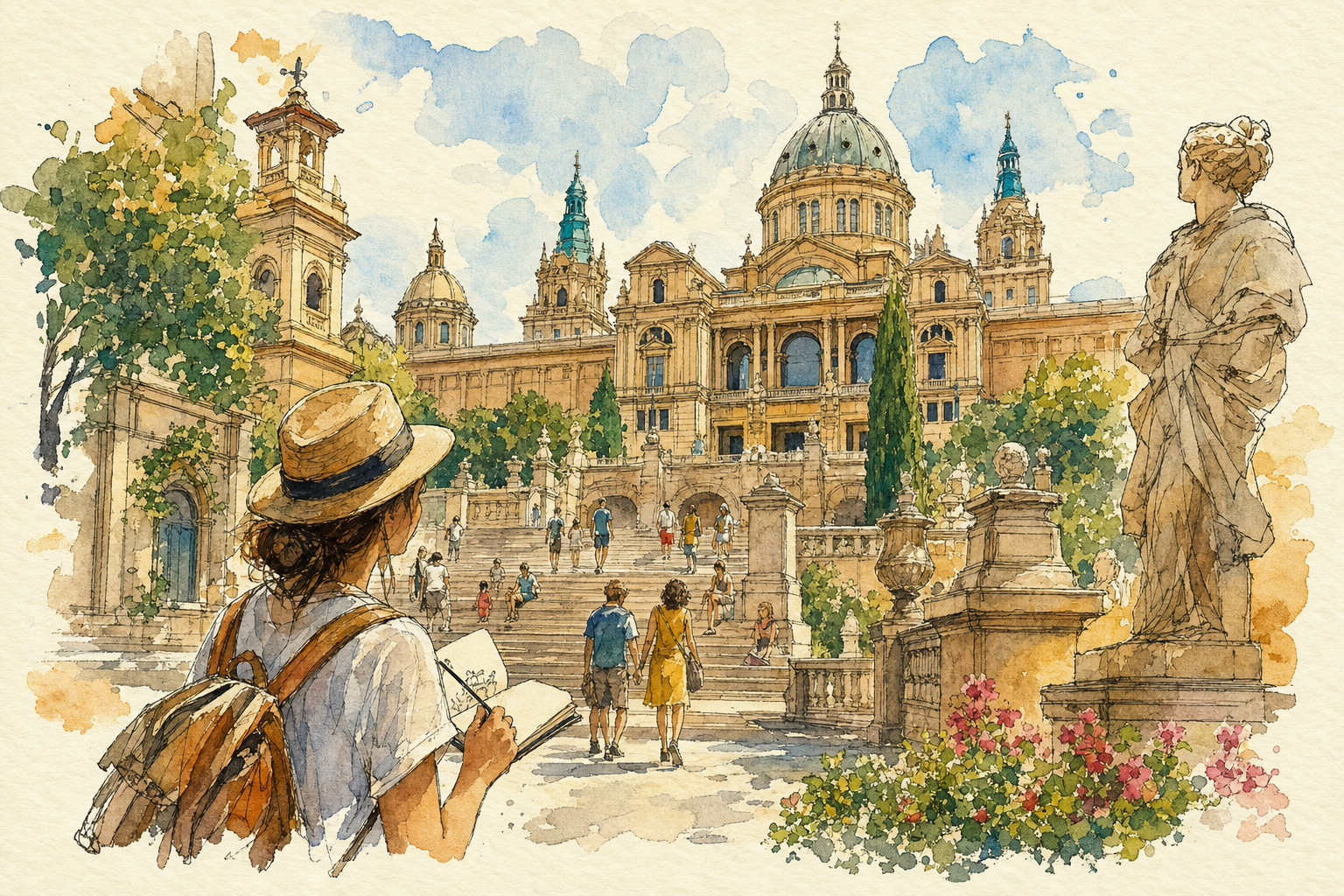
Tickets and monuments in Palermo
Check availability and pricesTripMatches · Remember · Plan
What do you want to do with Palermo?
Been to Palermo or still want to go? Pick one and we'll take you straight to it.


Culture & Heritage
Discover the rich history, art and traditions of Palermo
Palermo is a cultural and artistic hub with numerous theaters, galleries and events that enrich local life.
Best of local culture
Museums & Galleries
Antonino Salinas Regional Archaeological Museum
Museum that houses one of the most important archaeological collections in Sicily, with pieces ranging from prehistory to Roman and Greek times.
Festivals & Events
International Palermo Classica Festival
July to SeptemberInternational classical music festival held in Palermo with concerts by world-renowned artists, offering a varied program of classical music in different spaces in the city.
Settimana Santa al Capo (Holy Week in the Capo Market)
Holy Week (March or April, depending on the religious calendar)Religious and cultural celebration that includes processions, liturgical events and traditional activities in the Capo neighborhood, one of Palermo's historic markets. It is one of the most important manifestations of Holy Week in the city.
Festival of Santa Rosalia
July 12 to 15Patron saint's day in honor of Santa Rosalia, patron saint of Palermo. It includes processions, religious events, music, fireworks and cultural activities that attract thousands of locals and tourists.
History
Origins
Palermo was founded by Phoenician merchants in the 8th century BC. under the name Ziz, and later called Panormus by the Greeks and Romans, which meant 'all port'. It was an important Carthaginian settlement until its Roman conquest in 254 BC. During the Roman era it declined, but resurfaced after the Byzantine reconquest in the 6th century. In the 9th century it was conquered by the Arabs, who turned it into a prosperous commercial and cultural center, calling it Conca d'Oro due to its fertile environment.
Development
During the Middle Ages, Palermo lived its golden age under Norman rule starting in 1072, when it became the capital of the Kingdom of Sicily. At this stage, the city experienced a cultural and architectural flourishing, with the construction of palaces, churches and fortresses that mixed Arab, Norman and Byzantine styles. In the modern era, Palermo continued to grow and was the scene of important historical events, including Spanish influence and Italian unification, which consolidated its role as a regional political and economic center.
Modern era
In the 20th and 21st centuries, Palermo has faced challenges such as accelerated urbanization and social problems, but it has also experienced a cultural and tourist renaissance. The city has improved its infrastructure, promoting the conservation of its heritage and developing sectors such as tourism, industry and services. Currently, Palermo is a dynamic city that combines tradition and modernity, with a prominent role in the Euro-Mediterranean area and internationally recognized for its historical and cultural wealth.
Ratings
Scores by category
Culture
Palermo is a cultural and artistic hub with numerous theaters, galleries and events that enrich local life.
Heritage
Palermo has a rich history reflected in its monuments and parks, linked to important figures and events in Buenos Aires.
Architecture
Palermo's architecture combines Gothic and Baroque styles with modern constructions, reflecting its history and urban dynamism.
Want to know more about Palermo?
Discover the full guide with history, detailed itineraries, practical tips and all the information you need.
View full guideTips for Culture & Heritage
Local secrets
Local tips from Palermo
best moments
When to visit
Local language
Languages spoken in Palermo
Local customs
Palermo culture
healthcare system
Health tips for Palermo
Farmacias
Pharmacy information
General Security
Safety tips for Palermo
Areas to avoid
Information about less safe areas
TripMatches · Remember · Plan
What do you want to do with Palermo?
Been to Palermo or still want to go? Pick one and we'll take you straight to it.
Quick info
Full destination guide
Access the full profile: attractions, weather, gastronomy, events and more.
Discover this destination in depthExplore more nearby
You might also like
Discover Palermo in a different way
Explore different ways to experience this destination based on your travel style
Palermo Digital Nomad
Connectivity, living costs and practical conditions for working remotely.
Palermo Budget
Affordable travel, free activities and smart tips to save money.
Palermo Train Travel
Scenic rail routes, historic stations and slow travel by train.
Palermo Romantic
Couples getaways, sunsets, boutique hotels and intimate experiences.
Palermo Culture & Heritage
Museums, historic monuments, architecture and immersive cultural experiences.
Palermo Gastronomy
Discover local cuisine, traditional markets, wineries and unique culinary experiences.