

Explora la cultura de Pamplona: Tradición viva
Sumérgete en la rica historia y cultura de Pamplona a través de sus museos y monumentos.
Pamplona, capital of the Foral Community of Navarra, is a city located in the north of Spain, known worldwide for its traditional San Fermín festivals and the running of the bulls. With an approximate population of 208,000 inhabitants in the city and around 360,000 in its metropolitan area, Pamplona stands out for its rich history, its strategic location in a valley surrounded by mountains and its balance between tradition and modernity. The city sits on the fertile plain of the Arga River and is an important communications hub that connects the mountainous north with the Ebro basin. Pamplona is recognized for its abundance of green areas, being the Spanish city with the most square meters of parks per inhabitant and one of the greenest in Europe. Its old town preserves a valuable monumental heritage with medieval walls, churches and historic squares. Furthermore, Pamplona is a cultural, educational and economic center of Navarra, with a high quality of life, advanced social services and sustainable urban development that integrates nature and modernity. The city combines its historical legacy with modern infrastructures such as the Navarra Conference Center and Auditorium and a network of Civivox cultural centers, consolidating itself as a benchmark in innovation and culture in the north of Spain.
Tickets and monuments in Pamplona
Check availability and pricesTripMatches · Remember · Plan
What do you want to do with Pamplona?
Been to Pamplona or still want to go? Pick one and we'll take you straight to it.


Culture & Heritage
Discover the rich history, art and traditions of Pamplona
Pamplona is an important cultural center in Navarra, famous for its San Fermín festivities and with a varied cultural offer that includes museums, theaters and traditional events.
Best of local culture
Museums & Galleries
Museo de Navarra
Museum that houses a wide collection of art and archeology from Navarra, with pieces ranging from prehistory to modern times, located in an old Renaissance hospital.
Iglesia de San Saturnino
Gothic church dedicated to the patron saint of Pamplona, notable for its architecture and for being a central point in the city's religious and cultural celebrations.
Miguel Echauri Foundation
Space dedicated to the promotion of contemporary art and culture, with temporary exhibitions and cultural activities in Pamplona.
Festivals & Events
San Fermín
7-14 de julioFamous patron saint festival that includes the running of the bulls, music, dances, and cultural events throughout the city. It is one of the most internationally known festivals.
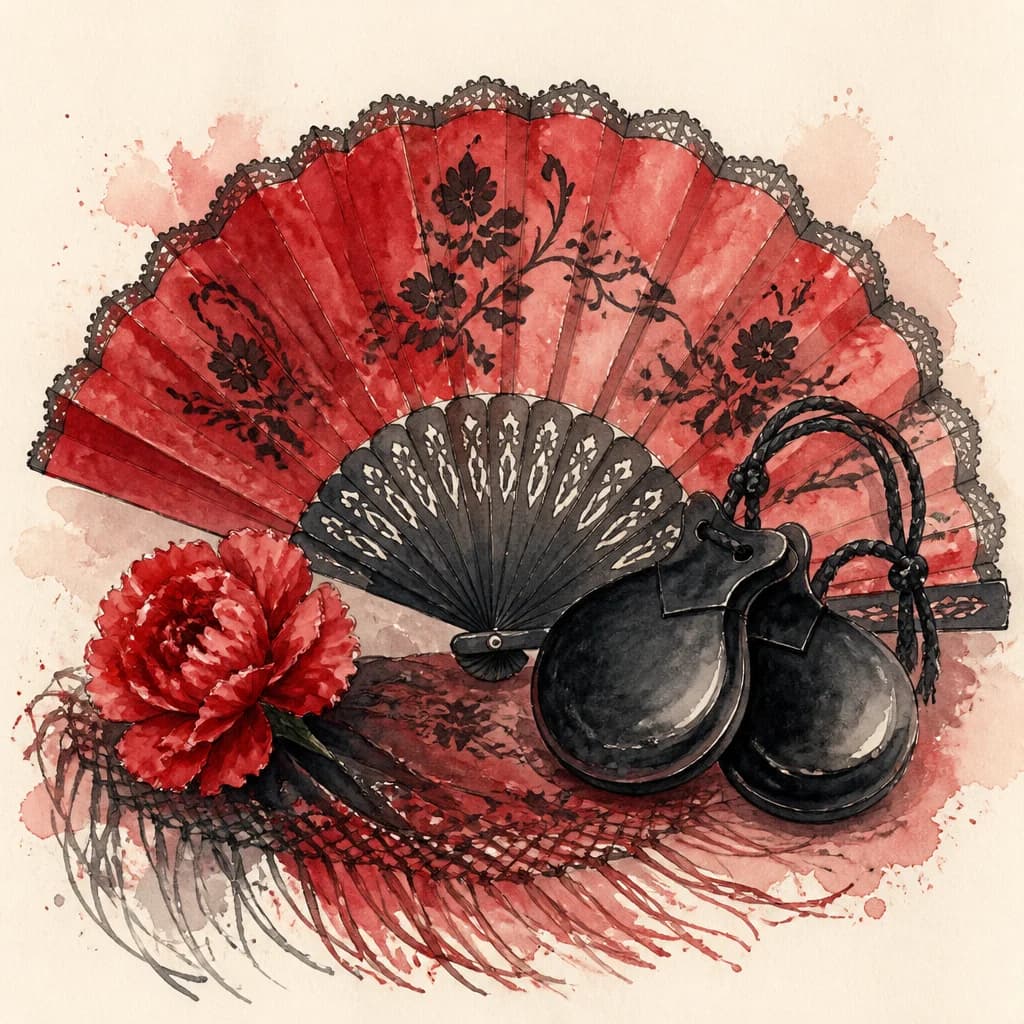
Flamenco On Fire
AgostoReference flamenco festival in northern Spain that pays tribute to the guitarist Sabicas.It includes concerts, cycles on balconies and emblematic venues, and activities for young talents.
Festival de Música Sacra
6-16 de abrilEvent dedicated to sacred music that is celebrated in emblematic places such as Baluarte and several churches in Pamplona, with concerts of religious and classical music.
History

Origins
The origins of Pamplona date back to the first millennium BC, when the Basques established a town called Iruña, which means 'the city' in Basque.In 75 BC, the Roman general Pompey founded the city of Pompaelo, which became an important Roman enclave in the region.During ancient times, Pamplona was a strategic point on commercial and military routes, settling in the fertile plain of the Arga River.
Development
During the Middle Ages, Pamplona was the capital of the Kingdom of Pamplona, which later became known as the Kingdom of Navarra.In the 10th century and under the reign of Sancho III the Elder in the 11th century, the Camino de Santiago was consolidated through Navarrese lands, which promoted the urban and economic development of the city.The medieval walls and churches that still remain date from this era.In the modern era, Pamplona maintained its regional importance and began to expand beyond its walls, adapting to social and political changes in Spain.
Modern era
In the 20th century, Pamplona experienced a process of industrialization and modernization, especially from the 60s and 70s, with strong internal and later foreign immigration.The city has opted for sustainability and quality of life, transforming former military areas into green spaces and improving its cultural and transportation infrastructure.In the 21st century, Pamplona continues its urban development with projects such as RUNA 2025, which seeks to integrate rivers into the urban fabric for a more ecological and resilient city.In addition, it has been a candidate for European Capital of Culture and maintains a prominent role in the economy and culture of northern Spain.
Ratings
Scores by category
Culture
Pamplona is an important cultural center in Navarra, famous for its San Fermín festivities and with a varied cultural offer that includes museums, theaters and traditional events.
Heritage
Pamplona has great historical importance, especially for its role in medieval history and its traditions such as the Sanfermines.
Architecture
Pamplona stands out for its well-preserved historical architecture, with medieval walls, Renaissance buildings and a charming old town.
Want to know more about Pamplona?
Discover the full guide with history, detailed itineraries, practical tips and all the information you need.
View full guideTips for Culture & Heritage
Secretos locales
Visit Parque de la Taconera to see deer and peacocks, and discover less touristy pintxo bars in the San Juan neighborhood.
Mejores momentos
Avoid Pamplona during San Fermín if you are looking for tranquility. Spring and autumn offer good weather and fewer tourists.
Idioma local
Spanish is the main language, but Basque is also spoken in Navarra. Useful phrases: 'Kaixo' (hello in Basque), 'Please' and 'Thank you' in Spanish.
Costumbres locales
During San Fermín, respect traditions such as the running of the bulls and wear white clothes with a red scarf. In general, greet with a handshake and be punctual.
Sistema de salud
Pamplona has public hospitals and accessible health centers. In case of emergency, call 112 or go to the Navarra University Hospital.
Farmacias
Pharmacies are open from Monday to Saturday, with night shifts. The most central pharmacy is on Estafeta street.
Seguridad General
Pamplona is one of the safest cities in Spain, with a low risk of violent crime. However, caution is recommended with pickpocketing, especially in tourist areas and during mass events such as San Fermín.
Zonas a evitar
There are no particularly dangerous areas in Pamplona, but it is advisable to avoid poorly lit and lonely areas at night and be alert in crowded places where pickpockets operate.
TripMatches · Remember · Plan
What do you want to do with Pamplona?
Been to Pamplona or still want to go? Pick one and we'll take you straight to it.
Quick info
Full destination guide
Access the full profile: attractions, weather, gastronomy, events and more.
Discover this destination in depthExplore more nearby
You might also like
Discover Pamplona in a different way
Explore different ways to experience this destination based on your travel style
Pamplona Theme Parks & Rides
Discover theme parks and amusement parks, from legendary roller coasters to immersive worlds and family experiences.
Pamplona Christmas Markets
European Christmas market guides with seasonal dates, activities and practical visit-planning advice.
Pamplona Digital Nomad
Connectivity, living costs and practical conditions for working remotely.
Pamplona Budget
Affordable travel, free activities and smart tips to save money.
Pamplona Train Travel
Scenic rail routes, historic stations and slow travel by train.
Pamplona Romantic
Couples getaways, sunsets, boutique hotels and intimate experiences.