

Explora la cultura de Reykjavik: Tradición viva
Sumérgete en la rica historia y cultura de Reykjavik a través de sus museos y monumentos.
Quick info
Hallgrímskirkja Church

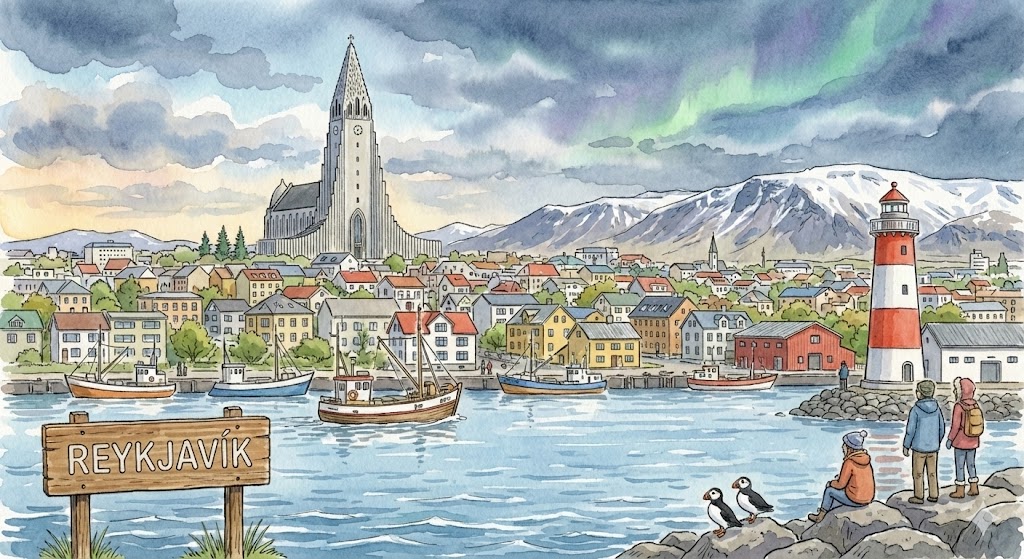
Reykjavik is the capital and largest city of Iceland, located on the Seltjarnarnes peninsula, in the southeast corner of Faxaflói Bay, in the southwest of the country. With a latitude of 64°N, it is the northernmost sovereign capital in the world. Officially founded in 1786, Reykjavik has evolved from a small fishing village to a cultural, political and economic center of Iceland. The city stands out for its colorful, low architecture, with the imposing Hallgrímskirkja church as an iconic symbol. Its population is around 139,000 inhabitants, concentrating together with its metropolitan area approximately 64% of the total Icelandic population. Reykjavik is renowned for its cleanliness, safety and environmental friendliness, as well as being an ideal base from which to explore Iceland's natural wonders, such as geysers, volcanoes and glaciers. Its importance lies in being the nucleus of the Icelandic government, seat of the Alþingi parliament since 1843, and in its vibrant cultural and tourist life that attracts visitors from all over the world.
Culture & Heritage
Discover the rich history, art and traditions of Reykjavik
Reykjavik is a vibrant cultural hub, with museums, galleries, music festivals and a very active independent arts scene.
Best of local culture
Museums & Galleries
Perlan Museum
The Perlan Museum offers an immersive experience of the wonders of Iceland, including an Áróra Northern Lights planetarium show and a viewing platform with stunning views.
Iceland Whale Museum
This museum offers a detailed look at the whales and other cetaceans that inhabit Icelandic waters, with interactive and educational exhibits.
National Museum and Culture of Iceland
This museum offers an in-depth insight into the history and culture of Iceland, from the Viking Age to the present day.
Festivals & Events
Reykjavik Pride
AugustA week-long celebration dedicated to LGBTQI culture that attracts up to 100,000 visitors. It includes parades, ceremonies, conferences, seminars and musical tributes. The city is filled with rainbow colors and the pride parade is one of the main events.
Culture Night (Menningarnott)
AugustA major city-wide cultural celebration with over 300 events including theatre, concerts, dance and exhibitions. During this night, public transport and entry to museums and galleries are free. It culminates with a fireworks display in the old port.
Reykjavik International Film Festival (RIFF)
End of September to mid October10-day film festival featuring the best of world cinema, including classics, premieres, retrospectives, seminars and workshops. It is one of the largest and most diverse cultural events in Iceland.
Culture plan
Book a cultural tour in Reykjavik
Skip-the-line access and verified local guides
History
Origins
According to tradition, Reykjavik was founded in the year 874 by the Norwegian Viking Ingólfur Arnarson, who settled in the area attracted by the steam that emanated from the hot springs, hence its name which means 'smoking bay'. For more than 900 years, the region remained without significant urban development, with rural and agricultural life predominating.
Development
In the 18th century, Reykjavik began to transform into a settlement with the creation of a community dedicated to the wool industry. In 1786 it obtained municipal powers and became the administrative center of the island under Danish rule. During the Middle Ages and modern era, the city grew slowly, remaining a small fishing port and commercial center until the early 20th century.
Modern era
In the 20th century, especially after World War II, Reykjavik experienced accelerated growth thanks to the British and American occupation that boosted local infrastructure. In 1918 it became the capital of autonomous Iceland under the Danish crown and in 1944, with independence, the capital of the republic. Currently, Reykjavik is a modern center with a population exceeding 139,000 inhabitants and a metropolitan area that is home to almost 249,000 people, representing the political, cultural and economic heart of the country.
Ratings
Scores by category
Culture
Reykjavik is a vibrant cultural hub, with museums, galleries, music festivals and a very active independent arts scene.
Heritage
Reykjavik is a young city compared to other European capitals, but it retains an interesting Viking and cultural heritage.
Architecture
Reykjavik's architecture mixes Nordic modernity with tradition, highlighting buildings such as Hallgrímskirkja and Harpa. The center is compact and easy to explore on foot.
Want to know more about Reykjavik?
Discover the full guide with history, detailed itineraries, practical tips and all the information you need.
View full guideTips for Culture & Heritage
Local secrets
Visit the Grandi neighborhood for urban art and untouristy cafes, and enjoy the lesser-known geothermal pools like Laugardalslaug.
best moments
Avoid summer to avoid crowds; Spring and autumn offer good weather and fewer tourists.
Local language
Icelandic is the official language, but almost everyone speaks English fluently. Useful phrases: 'Takk' (thank you), 'Góðan dag' (good day).
Local customs
Icelanders value punctuality and honesty. It is common to remove shoes when entering private homes.
Healthcare system
Reykjavik has modern hospitals; For medical emergencies, call 112 or go to Landspítali, main hospital.
Pharmacies
Pharmacies open during business hours, some with 24-hour service in central areas.
General Security
Reykjavik is a very safe city with low crime, but it is recommended to maintain normal precautions, especially in nightlife areas where isolated incidents have been reported.
Areas to avoid
Avoid areas near bars and clubs in the center at night to prevent risks related to occasional violence.
Tickets and monuments in Reykjavik
Check availability and pricesTripMatches · Remember · Plan
What do you want to do with Reykjavik?
Been to Reykjavik or still want to go? Pick one and we'll take you straight to it.
Quick info
Full destination guide
Access the full profile: attractions, weather, gastronomy, events and more.
Discover this destination in depthExplore more nearby
You might also like
Discover Reykjavik in a different way
Explore different ways to experience this destination based on your travel style
Reykjavik Theme Parks & Rides
Discover theme parks and amusement parks, from legendary roller coasters to immersive worlds and family experiences.
Reykjavik Christmas Markets
European Christmas market guides with seasonal dates, activities and practical visit-planning advice.
Reykjavik Digital Nomad
Connectivity, living costs and practical conditions for working remotely.
Reykjavik Culture & Heritage
Museums, historic monuments, architecture and immersive cultural experiences.
Reykjavik Gastronomy
Discover local cuisine, traditional markets, wineries and unique culinary experiences.