

Explora la cultura de Salvador: Tradición viva
Sumérgete en la rica historia y cultura de Salvador a través de sus museos y monumentos.
Quick info
Pelourinho

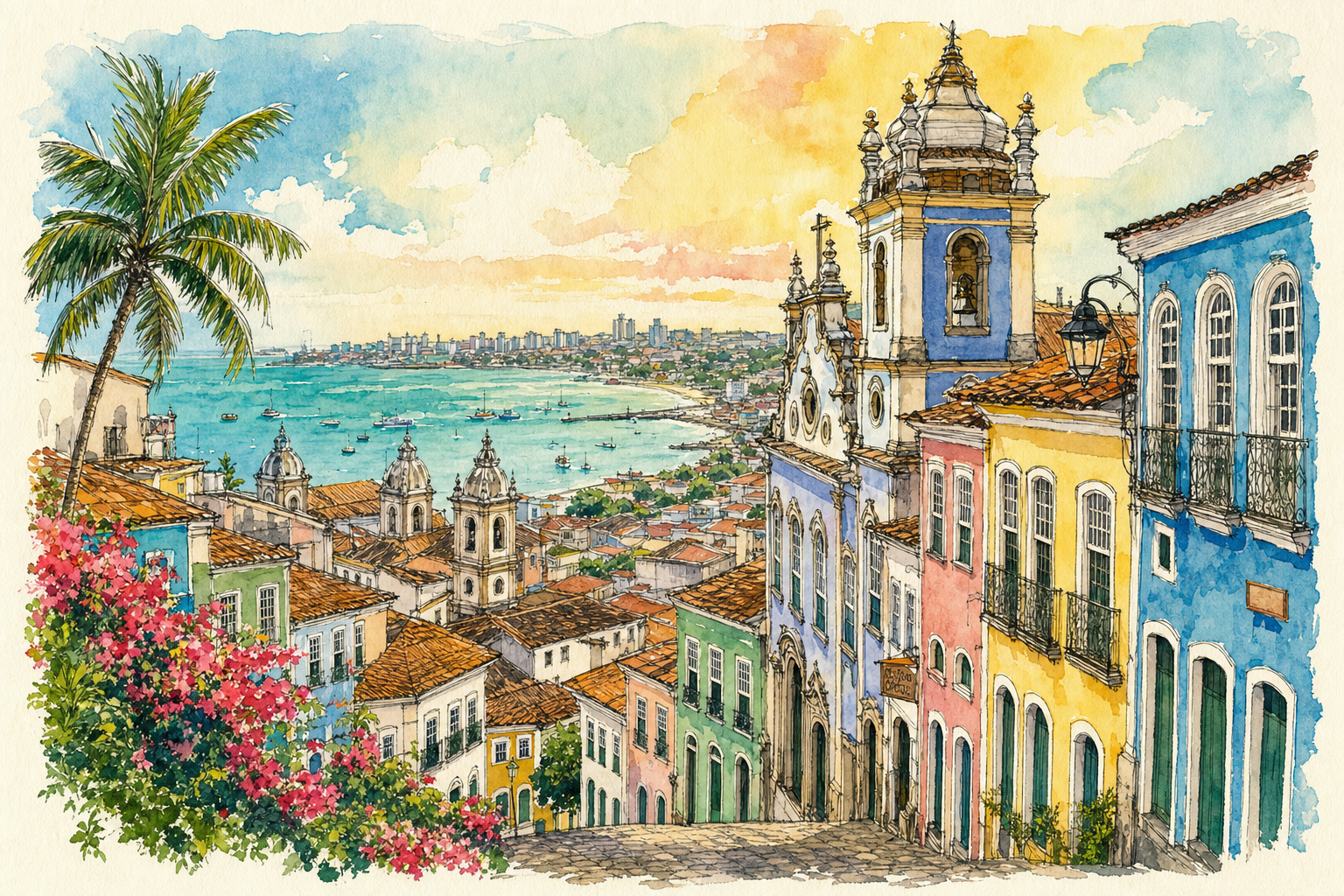
Salvador, the capital of Brazil's northeastern state of Bahia, is known for its Portuguese colonial architecture, Afro-Brazilian culture, and a tropical coastline. The historic Pelourinho neighborhood is a UNESCO World Heritage site, famous for its colorful buildings and cobblestone alleys.

Culture & Heritage
Discover the rich history, art and traditions of Salvador
Salvador is considered Brazil's Afro-Brazilian capital, the birthplace of candomblé, capoeira, and axé, with an intense cultural life lived out in the streets, terreiros, and squares of the historic center.
Best of local culture
Museums & Galleries
Museu Afro-Brasileiro (MAFRO)
Museum housed in the former School of Medicine that displays art, ritual objects, and carved panels documenting African and Afro-Brazilian heritage in Bahia.
Solar do Unhão / Museu de Arte Moderna da Bahia (MAM-BA)
Restored colonial complex by the sea that houses the Museum of Modern Art of Bahia, also known for its open-air film and jazz sessions on Saturdays.
Festivals & Events

Carnaval de Salvador
February or March (movable date, based on the liturgical calendar)Considered the largest street carnival in the world, with trio elétrico trucks, blocos, and millions of people dancing axé, samba-reggae, and pagode through the streets of the historic center and the coastline.
Festa de Iemanjá
February 2Afro-Brazilian religious celebration honoring Iemanjá, goddess of the sea in candomblé, in which thousands of the faithful bring offerings to Rio Vermelho beach.
Lavagem do Bonfim
Second Thursday of JanuaryOne of Bahia's most important popular festivals: baianas wash the steps of the Igreja do Bonfim with scented water in a procession that blends Catholicism and candomblé.
Culture plan
Book a cultural tour in Salvador
Skip-the-line access and verified local guides
History

Origins
Before the arrival of the Portuguese, the region where Salvador is located was inhabited by indigenous Tupi-Guarani peoples. The city was founded in 1549 by Tomé de Sousa as the first colonial capital of Brazil, establishing an important port and administrative center for the Portuguese crown.
Development
During colonial times, Salvador developed as a key center for the sugar and African slave trade, deeply influencing its culture and demographics. In the 17th and 18th centuries, the city grew in economic and cultural importance, with the construction of baroque churches and fortresses to protect itself from foreign attacks.
Modern era
In the 20th and 21st centuries, Salvador has experienced significant urban growth, establishing itself as a tourist and cultural center of Brazil. The city has promoted the preservation of its historical heritage and has promoted international cultural events, maintaining its relevance in the national and international context.
Ratings
Scores by category
Culture
Salvador is considered Brazil's Afro-Brazilian capital, the birthplace of candomblé, capoeira, and axé, with an intense cultural life lived out in the streets, terreiros, and squares of the historic center.
Heritage
Salvador was Brazil's first colonial capital (1549-1763) and one of the most important ports in Atlantic trade, with a unique historical legacy recognized by UNESCO.
Architecture
Pelourinho preserves one of the best-preserved ensembles of Portuguese colonial architecture in the Americas, with baroque churches, colorful façades, and cobblestone streets declared a UNESCO World Heritage Site.
Want to know more about Salvador?
Discover the full guide with history, detailed itineraries, practical tips and all the information you need.
View full guideTips for Culture & Heritage
Local Secrets
Visit the Ribeira neighborhood at sunset to try the traditional ice cream at Ribeira Sorvetes with a view over the Bay of All Saints.
Best Times to Visit
Avoid the heaviest rains (November to March if you want fewer downpours, or book ahead if traveling during Carnival) and visit Pelourinho early in the morning to enjoy it without the crowds.
Local Language
The official language is Portuguese. Useful phrases include 'Onde fica...?' (Where is...?), 'Obrigado/a' (Thank you), and 'Por favor' (Please). English is limited outside hotels and tour agencies.
Local Customs
Bahians are very warm and expressive; it's common to greet with a handshake or a kiss on the cheek in informal settings.
Healthcare System
Salvador has good public and private hospitals. For urgent medical care, it's advisable to go to a private hospital if you have travel insurance.
Pharmacies
Pharmacies are abundant in urban areas, with many open 24 hours in Barra and Pituba. Always carry basic medications and mosquito repellent.
General Safety
Salvador, like most large Brazilian cities, requires the usual precautions: avoid displaying valuables, jewelry, or expensive cameras on the street, especially in the historic center and on public transport.
Areas to Avoid
It's advisable to avoid outlying neighborhoods and quiet beaches after sunset, and to stick to the well-lit tourist areas of Pelourinho, Barra, and Rio Vermelho at night.
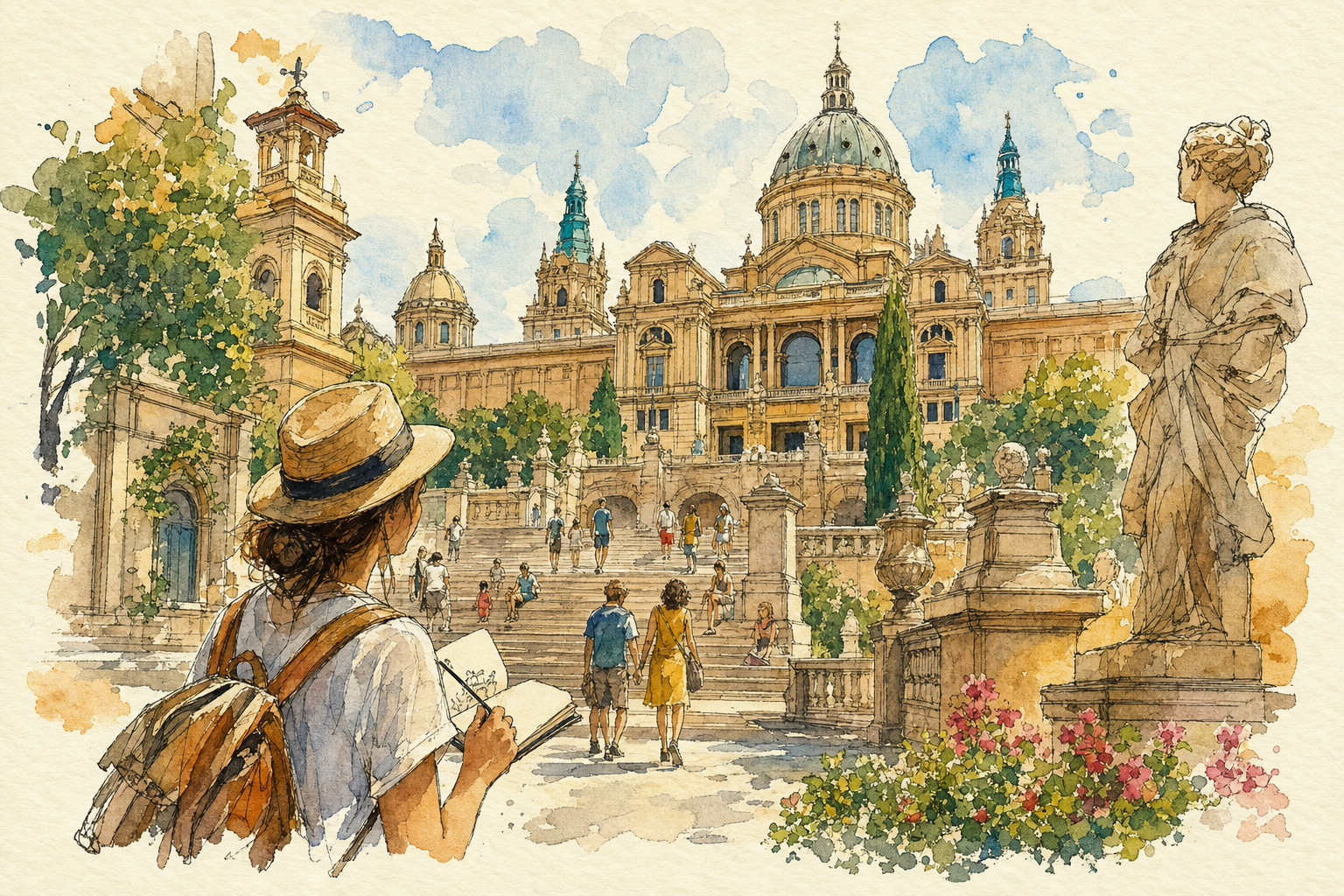
Tickets and monuments in Salvador
Check availability and pricesTripMatches · Remember · Plan
What do you want to do with Salvador?
Been to Salvador or still want to go? Pick one and we'll take you straight to it.
Quick info
Full destination guide
Access the full profile: attractions, weather, gastronomy, events and more.
Discover this destination in depthExplore more nearby
You might also like
Discover Salvador in a different way
Explore different ways to experience this destination based on your travel style
Salvador Theme Parks & Rides
Discover theme parks and amusement parks, from legendary roller coasters to immersive worlds and family experiences.
Salvador Christmas Markets
European Christmas market guides with seasonal dates, activities and practical visit-planning advice.
Salvador Budget
Affordable travel, free activities and smart tips to save money.
Salvador Train Travel
Scenic rail routes, historic stations and slow travel by train.
Salvador Romantic
Couples getaways, sunsets, boutique hotels and intimate experiences.
Salvador Culture & Heritage
Museums, historic monuments, architecture and immersive cultural experiences.