Loading destination...
Loading destination...
Loading destination...
Loading destination...
Loading destination...
Loading destination...
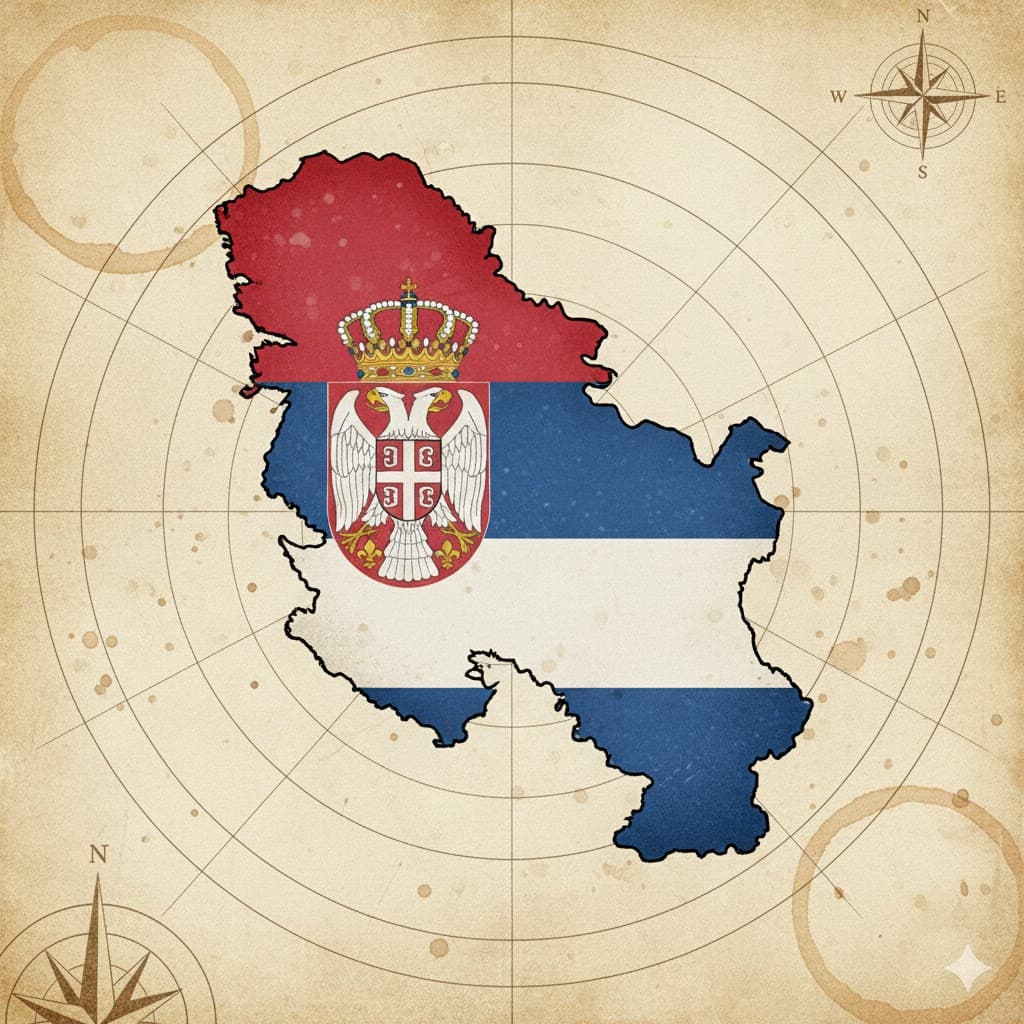
Sumérgete en la rica historia y cultura de Serbia a través de sus museos y monumentos.
Serbia is a country in the heart of the Balkans, a land at the crossroads of Central and Southeastern Europe. Its capital, Belgrade, stands at the confluence of the Sava and Danube rivers. The country is famous for its indomitable spirit, its medieval Orthodox monasteries, its national parks and a festive culture that is manifested in its music, its food and its famous 'rakija'.
TripMatches · Remember · Plan
Been to Serbia or still want to go? Pick one and we'll take you straight to it.
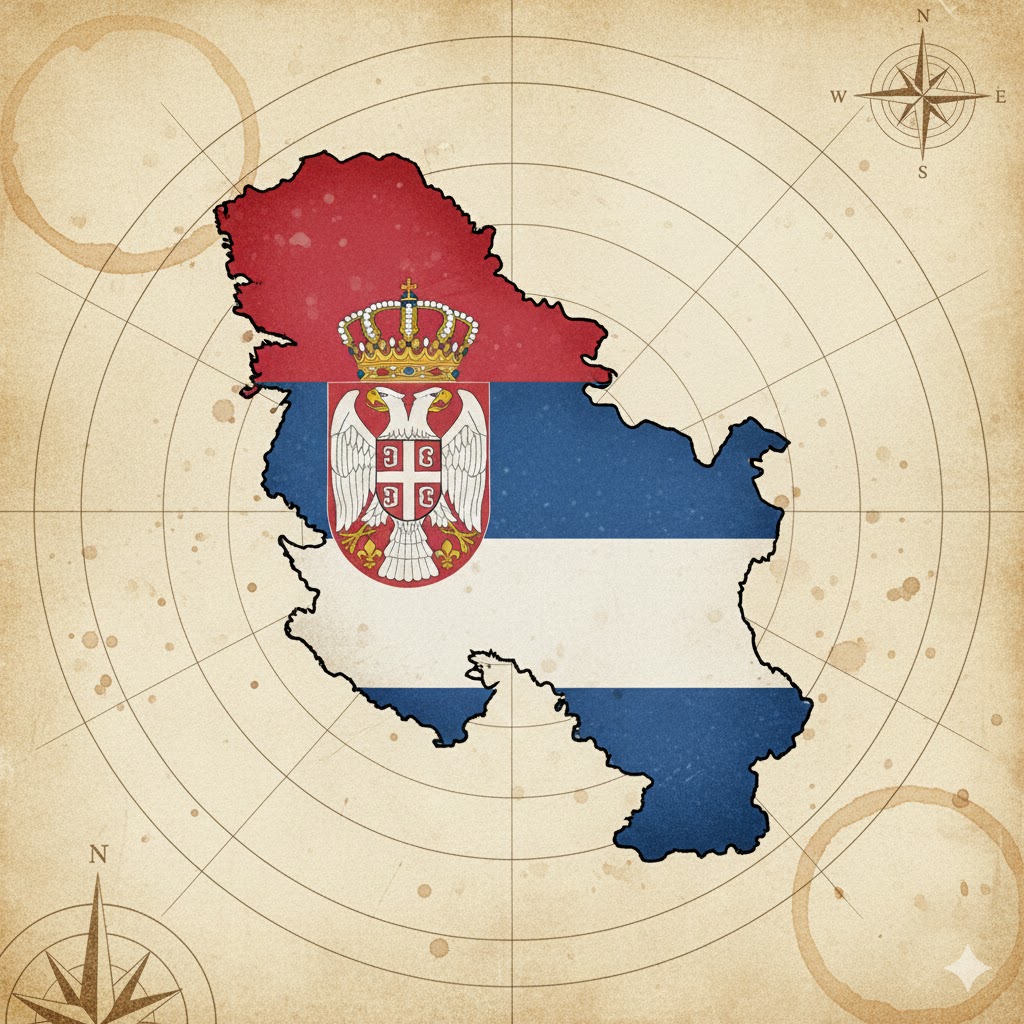
Discover the rich history, art and traditions of Serbia
Serbia is a country in the heart of the Balkans, a land at the crossroads of Central and Southeastern Europe. Its capital, Belgrade, stands at the confluence of the Sava and Danube rivers. The country is famous for its indomitable spirit, its medieval Orthodox monasteries, its national parks and a festive culture that is manifested in its music, its food and its famous 'rakija'.
The 'splavovi' are floating clubs and bars moored to the banks of the Sava and Danube rivers. Experiencing a night out in one of them, with music ranging from local folk ('narodna') to electronic, is to immerse yourself in the essence of Belgrade's famous nightlife. The party lasts until dawn.
Take a cruise along the Danube through the Iron Gates Gorge, the longest gorge in Europe. The trip offers spectacular views of cliffs, the ancient Roman Tabula Traiana and the imposing Golubac Fortress, which appears to emerge from the water.
A visit to the 'Ćele Kula' (Tower of Skulls) is an awe-inspiring historical experience. Built by the Ottomans with the skulls of Serbian rebels after the Battle of Čegar, it is a macabre and powerful monument to the fight for independence and the country's spirit of resistance.
Visiting Drvengrad ('Wooden Town'), also known as Küstendorf, is to enter the surreal universe of filmmaker Emir Kusturica. This ethnographic town, built for his film 'Life is a Miracle', is a magical place with streets named after his idols, cinema and a unique atmosphere.
The 'Slava' is the celebration of a family's patron saint, a unique Serbian Orthodox tradition inscribed on the UNESCO list. If you are lucky enough to be invited to one, you will experience an unrivaled hospitality experience, with a table full of food and drink that lasts all day, and where guests come and go.
The 'kafana' is much more than a tavern. It is the social and musical heart of Serbia. Entering a kafana in the Skadarlija neighborhood of Belgrade to enjoy hearty food, 'rakija' and live traditional music ('starogradska muzika') is one of the most authentic experiences you can have in the country.
Discover the full guide with history, detailed itineraries, practical tips and all the information you need.
View full guideThe official currency is the Serbian Dinar (RSD). Although some tourist places may accept euros, it is always advisable to pay in the local currency. Card payment is common in cities, but cash is essential in rural areas.
The bus network is the most reliable and complete way to travel around the country. Trains are generally slower, although some new routes are improving service. In cities, taxis are affordable.
The official language is Serbian. Both the Cyrillic (official) and Latin alphabets are used. English is increasingly spoken by young people and in the tourism sector of Belgrade and Novi Sad.
TripMatches · Remember · Plan
Been to Serbia or still want to go? Pick one and we'll take you straight to it.
Access the full profile: attractions, weather, gastronomy, events and more.
Discover this destination in depth