

Explora la cultura de Stuttgart: Tradición viva
Sumérgete en la rica historia y cultura de Stuttgart a través de sus museos y monumentos.
Stuttgart is the capital of the federal state of Baden-Württemberg in Germany and one of the most important cities in the country, with a population of approximately 633,000 inhabitants in the city and more than 2.7 million in its metropolitan area. Located in a valley surrounded by hills and vineyards, known as the “Kessel” or caldera, Stuttgart stands out for being a highly relevant economic, cultural and technological center. It is world famous for being the birthplace of the automobile, housing the headquarters and museums of emblematic brands such as Mercedes-Benz and Porsche. The city combines a rich industrial tradition with a vibrant cultural life, including ballet, opera, philharmonic orchestra and numerous parks and green spaces. Its strategic location connects it with important German cities such as Frankfurt, Munich and Karlsruhe, and it is the gateway to the Black Forest and the Swabian Alb. Stuttgart is also recognized for its architecture, its mining and steel history, and its wide gastronomic and wine offering, with nearly 400 hectares of vineyards that reach the urban center.
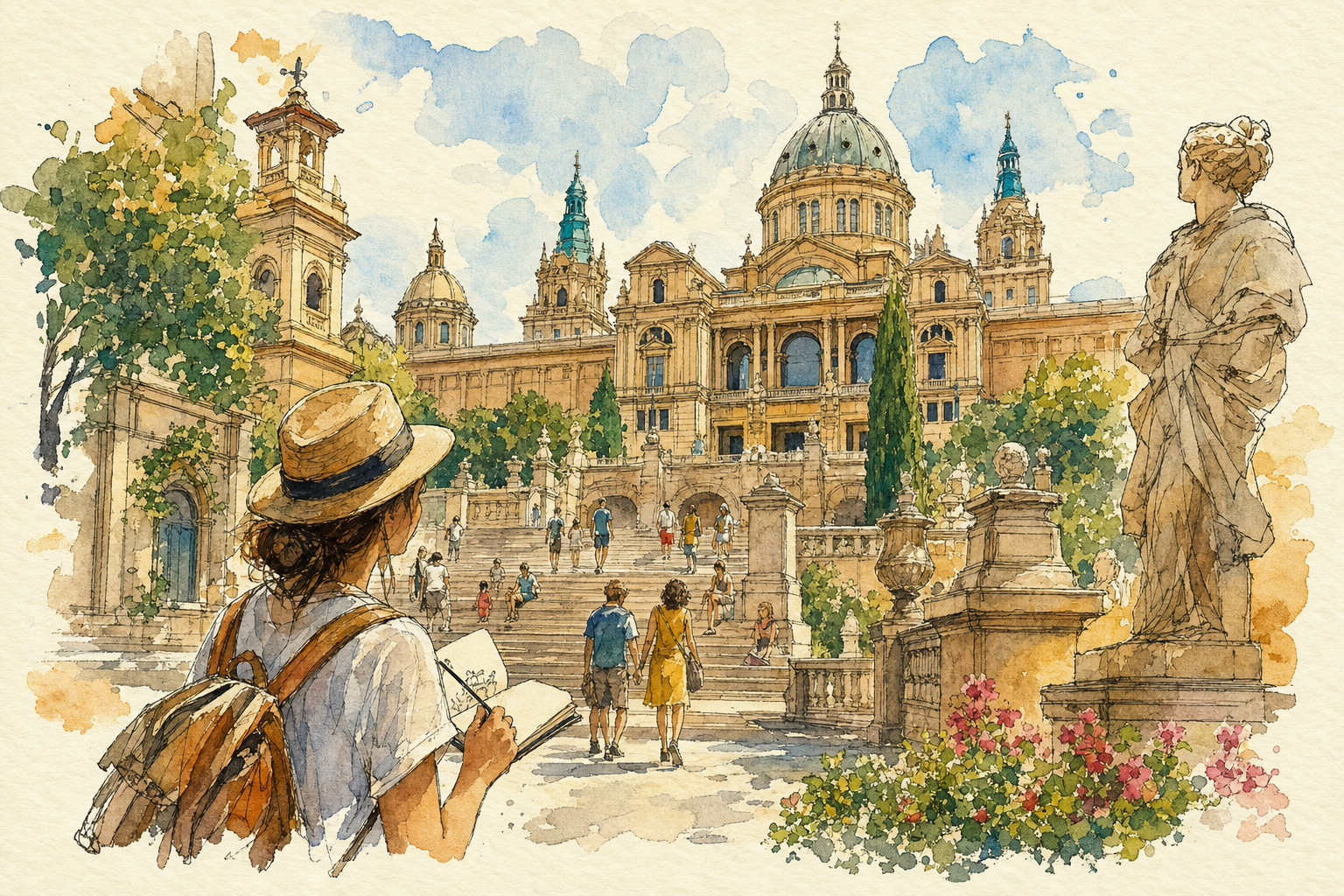
Tickets and monuments in Stuttgart
Check availability and pricesTripMatches · Remember · Plan
What do you want to do with Stuttgart?
Been to Stuttgart or still want to go? Pick one and we'll take you straight to it.


Culture & Heritage
Discover the rich history, art and traditions of Stuttgart
Stuttgart offers a rich cultural scene with renowned museums, theatres, festivals and a vibrant artistic life that reflects both tradition and modernity.
Best of local culture
Museums & Galleries
Castle Square
18th-century central square in the heart of Stuttgart, home to the New Castle, the monument to King William I and the National Museum of Württemberg. It is a popular meeting point for events such as the Stuttgart Weindorf wine festival and the Christmas market.
New Castle
Late baroque palace built in 1807, located in the Plaza del Castillo. It was a royal residence and is currently the headquarters of several ministries of the Baden-Württemberg government. Its interior can only be visited by appointment.
National Museum of Württemberg
Museum located on Castle Square exhibiting the cultural and artistic history of the Württemberg region, with collections including art, archeology and historical objects relevant to Stuttgart and its surroundings.
Stuttgart State Gallery
Museum complex that combines tradition and modernity, with three buildings that house works from the 14th to the 21st centuries. It stands out for its collection of 20th century art with pieces by Picasso, Matisse, Klee and Giacometti.
Festivals & Events
Cannstatter Volksfest
End of September to mid OctoberOne of the largest folk festivals in Stuttgart, known as 'Let's go to Wasen!'. It is a traditional celebration with music, typical food, attractions and beer, similar to Munich's Oktoberfest but with a distinctive local character.
EAT&STYLE Stuttgart
Generally in autumn (variable date)Gastronomic festival celebrating German and local cuisine with a wide range of typical dishes, drinks and culinary events at the New Stuttgart Trade Fair Centre.
RETRO CLASSICS Stuttgart
FebruaryThe world's largest gathering for classic car lovers and automotive legends, with displays of historic and modern vehicles at the New Stuttgart Trade Fair Centre.
History
Origins
Stuttgart's origins date back to the 10th century, when it was founded as a horse stable (hence its name, which comes from the Old German 'Stuotgarten', meaning 'horse garden'). The region was inhabited by Celtic tribes and later by Romans before the official foundation. During the Middle Ages, Stuttgart began to develop as an agricultural and commercial center in the Neckar River valley.
Development
In the Middle Ages, Stuttgart grew as a fortified city and became the residence of the Dukes of Württemberg. During the 17th and 18th centuries, the city underwent significant urban development, with the construction of palaces, churches and public buildings. In the 19th century, Stuttgart industrialized rapidly, becoming a center for mining, steel and, later, the automotive industry, with the founding of companies such as Daimler and Porsche.
Modern era
In the 20th century, Stuttgart established itself as an industrial and technological hub, especially in the manufacturing of automobiles and machinery. The city was damaged during World War II, but was rebuilt and modernized in the decades that followed. Today, Stuttgart is an innovation center with universities, research institutes and a diversified economy. In the 21st century, it maintains its role as a global city, with a vibrant cultural life and a strong presence in the automotive and technology industries.
Ratings
Scores by category
Culture
Stuttgart offers a rich cultural scene with renowned museums, theatres, festivals and a vibrant artistic life that reflects both tradition and modernity.
Heritage
Stuttgart has a rich history linked to the German nobility and the automotive industry, with monuments and museums that reflect its historical evolution.
Architecture
Stuttgart stands out for its architecture that combines historical and modern styles, including emblematic buildings such as the New Palace and contemporary architecture in renovated areas.
Want to know more about Stuttgart?
Discover the full guide with history, detailed itineraries, practical tips and all the information you need.
View full guideTips for Culture & Heritage
Local secrets
Stuttgart local tips
best moments
When to visit
Local language
Languages spoken in Stuttgart
Local customs
Stuttgart culture
Healthcare system
Health Tips for Stuttgart
Pharmacies
Pharmacy information
General Security
Safety tips for Stuttgart
Areas to avoid
Information about less safe areas
TripMatches · Remember · Plan
What do you want to do with Stuttgart?
Been to Stuttgart or still want to go? Pick one and we'll take you straight to it.
Quick info
Full destination guide
Access the full profile: attractions, weather, gastronomy, events and more.
Discover this destination in depthExplore more nearby
You might also like
Discover Stuttgart in a different way
Explore different ways to experience this destination based on your travel style
Stuttgart Digital Nomad
Connectivity, living costs and practical conditions for working remotely.
Stuttgart Train Travel
Scenic rail routes, historic stations and slow travel by train.
Stuttgart Romantic
Couples getaways, sunsets, boutique hotels and intimate experiences.
Stuttgart Culture & Heritage
Museums, historic monuments, architecture and immersive cultural experiences.
Stuttgart Gastronomy
Discover local cuisine, traditional markets, wineries and unique culinary experiences.