

Explora la cultura de Turín: Tradición viva
Sumérgete en la rica historia y cultura de Turín a través de sus museos y monumentos.
Turin, capital of the Piedmont region in northwestern Italy, is a city of profound historical, cultural and architectural wealth. With a population of approximately 856,745 inhabitants (2025), it is one of the main industrial, cultural and university centers in the country. Located on the banks of the Po River and surrounded by the Alps, its strategic location has been key in its development since ancient times. Turin stands out for its impressive baroque, rococo, neoclassical and art nouveau heritage, with palaces, squares and museums that reflect its past as the capital of the Kingdom of Sardinia and the cradle of Italian unification. The city is famous for housing the Egyptian Museum, the second most important in the world after Cairo, and the emblematic Mole Antonelliana, symbol of the city. In addition, Turin is recognized for its gastronomy, its chocolate tradition and for being the headquarters of the FIAT automobile company. Its elegant atmosphere, wide avenues and vibrant cultural life make it a unique destination, combining historical grandeur with modernity and innovation.
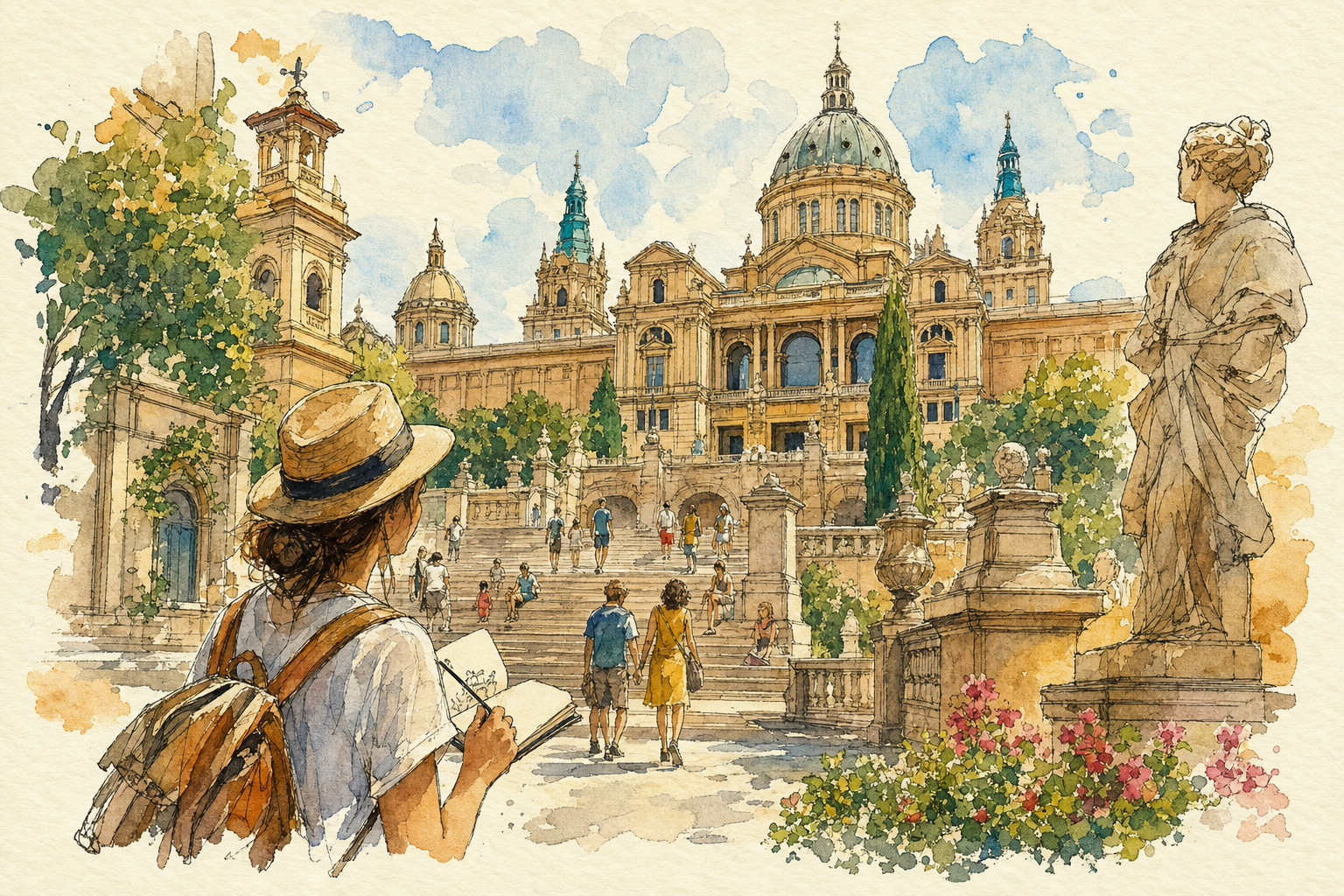
Tickets and monuments in Turín
Check availability and pricesTripMatches · Remember · Plan
What do you want to do with Turín?
Been to Turín or still want to go? Pick one and we'll take you straight to it.

Culture & Heritage
Discover the rich history, art and traditions of Turín
Turin is a cultural center with numerous museums, theaters and artistic events that enrich local cultural life.
Best of local culture
Museums & Galleries
Palazzo Madama
Building that combines medieval and baroque architecture, originally a Roman fortress and residence of the Dukes of Savoy. It currently houses the Civic Museum of Ancient Art with collections from the Middle Ages to the Baroque.
Egyptian Museum
Second most important Egyptian museum in the world, with an extensive collection of artifacts, mummies and archaeological pieces that tell the history of ancient Egypt.
Museum of Oriental Art
Museum dedicated to oriental arts and cultures, with collections of art, sculptures and objects from Asia, located near the historic center.
Festivals & Events
Sonic Park Stupinigi
JulioMusical festival in the gardens of the Palazzina di Caccia di Stupinigi, with artists such as Paul Kalkbrenner and Gianna Nannini.
Kappa FuturFestival
JulioElectronic music festival at the Parco Dora in Turin, with artists such as Carl Cox and Nina Kraviz.
Return to Spain
AgostoThe most important cycling race in Spain, which begins in Turin in 2025.
History
Origins
Turin's origins date back more than 2,000 years, when it was founded as a Celtic settlement called Taurasia. In the 3rd century BC, the Taurini tribe inhabited the area, even resisting Hannibal during the Second Punic War. Under the Roman Empire, it became the colony of Augusta Taurinorum, an important strategic military and commercial post for the control of the routes to Gaul.
Development
In the Middle Ages, Turin was a Lombard duchy and was later conquered by Charlemagne in the 8th century. Starting in the 13th century, the city was shaped by the powerful House of Savoy, which made it the capital of the Duchy of Savoy and, later, of the Kingdom of Sardinia in 1563. During the 17th and 18th centuries, Turin experienced great urban and cultural development, with the construction of baroque palaces, churches and squares, many of them designed by the architect Filippo Juvarra. The city was a key political and cultural center during the Risorgimento, the movement that led to the unification of Italy in the 19th century.
Modern era
In the 20th century, Turin established itself as an important industrial center, especially in the automotive sector with the founding of FIAT. After World War II, the city experienced rapid economic and urban growth. Today, Turin is a modern metropolis, home to important universities, research centers and international cultural events. It hosted the Winter Olympic Games in 2006 and continues to reinvent itself as a top-level tourist and cultural destination in Europe.
Ratings
Scores by category
Culture
Turin is a cultural center with numerous museums, theaters and artistic events that enrich local cultural life.
Heritage
Turin has great historical importance as the former capital of the Kingdom of Sardinia and the cradle of Italian unification.
Architecture
Turin stands out for its baroque, neoclassical and Art Nouveau architecture, with historic palaces and spacious squares that reflect its rich history.
Want to know more about Turín?
Discover the full guide with history, detailed itineraries, practical tips and all the information you need.
View full guideTips for Culture & Heritage
Local secrets
Turin local tips
best moments
When to visit
Local language
Languages spoken in Turin
Local customs
Turin culture
healthcare system
Health tips for Turin
Farmacias
Pharmacy information
General Security
Safety tips for Turin
Areas to avoid
Information about less safe areas
TripMatches · Remember · Plan
What do you want to do with Turín?
Been to Turín or still want to go? Pick one and we'll take you straight to it.
Quick info
Full destination guide
Access the full profile: attractions, weather, gastronomy, events and more.
Discover this destination in depthExplore more nearby
You might also like
Discover Turín in a different way
Explore different ways to experience this destination based on your travel style
Turín Digital Nomad
Connectivity, living costs and practical conditions for working remotely.
Turín Train Travel
Scenic rail routes, historic stations and slow travel by train.
Turín Romantic
Couples getaways, sunsets, boutique hotels and intimate experiences.
Turín Culture & Heritage
Museums, historic monuments, architecture and immersive cultural experiences.
Turín Gastronomy
Discover local cuisine, traditional markets, wineries and unique culinary experiences.