

Explora la cultura de Verona: Tradición viva
Sumérgete en la rica historia y cultura de Verona a través de sus museos y monumentos.
Quick info
Verona Arena

Verona is a historic city located in northern Italy, in the Veneto region, on the banks of the Adige River and near Lake Garda. With an approximate population of 260,000 inhabitants in the city and more than 320,000 in its metropolitan area, Verona stands out for its rich history that dates back to pre-Roman times, having been an important settlement of tribes such as the Euganei and the Cenomani. It was established as a Roman municipium in the 1st century BC, which promoted its urban and cultural development. The city is famous for its well-preserved architectural heritage, which includes Roman monuments such as the Arena of Verona, one of the best preserved Roman amphitheaters in the world, and the Roman Theatre. During the Middle Ages, Verona prospered under the rule of the Scaligeri family, who turned it into a powerful firm. Later, it was part of the Republic of Venice until the end of the 18th century. Its historic center, declared a World Heritage Site by UNESCO, combines Roman, medieval and Renaissance elements, making Verona a cultural and tourist destination of great relevance. The city is also known worldwide for being the setting for Shakespeare's Romeo and Juliet tragedy, which gives it a unique romantic aura. Its strategic location in the Po Valley and its temperate continental Mediterranean climate make it special for visitors all year round.


Culture & Heritage
Discover the rich history, art and traditions of Verona
The city is a cultural center with museums, theaters and festivals, highlighting opera at the Arena and a vibrant local arts scene.
Best of local culture
Museums & Galleries
Castelvecchio Museum
A museum located in the medieval castle of Castelvecchio, housing a collection of medieval and Renaissance art.
Festivals & Events
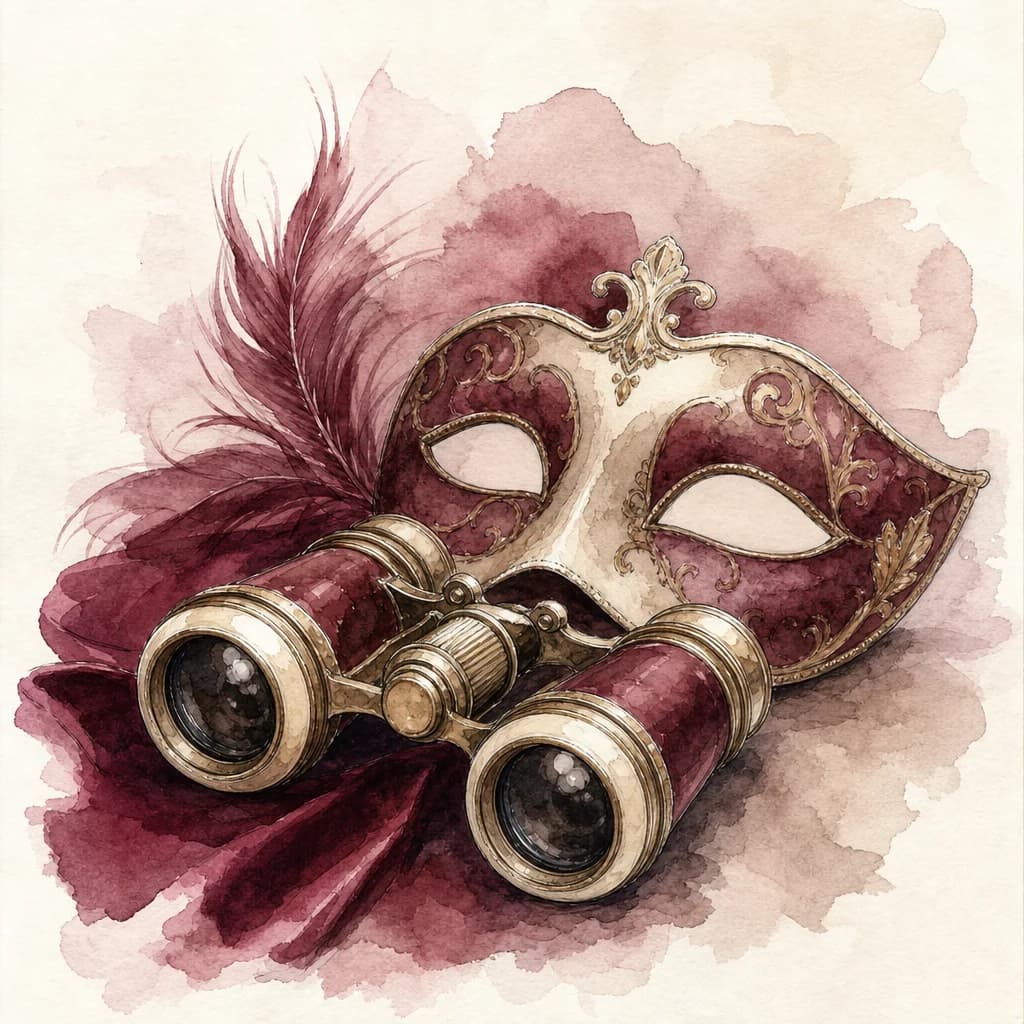
Arena di Verona Opera Festival
June–SeptemberOne of the world's most famous open-air opera festivals, held in the ancient Roman amphitheater. Features grand productions of classics like Aida, Carmen, and La Traviata, with a magical atmosphere enhanced by candlelight (mocoleto) at dusk.
Music Awards
SeptemberNational Italian music awards ceremony with live performances by top artists, awards, and a festive atmosphere in the Arena di Verona.
Pavarotti 90
SeptemberA special tribute concert honoring the legendary tenor Luciano Pavarotti, featuring exceptional artists and a memorable program in the Arena di Verona.
Culture plan
Book a cultural tour in Verona
Skip-the-line access and verified local guides
History
Origins
The origins of Verona date back to the Neolithic period with settlements on the hill of San Pietro. It was inhabited by tribes such as the Euganei and later conquered by the Cenomani Gauls around 550 BC. In the 3rd century BC, the Veronese territory was incorporated into the Roman Republic and in 89 BC. It was established as a Roman colony. In the 1st century B.C. It was classified as a municipality, which favored its growth and urbanization. During the Roman era, Verona became an important strategic and commercial center, notable for its location at the confluence of important communication routes. Monuments such as the Arena and the Roman Theater are witnesses of this prosperous era.
Development
In the Middle Ages, Verona was an important political and military center. It was a free community since the 12th century and suffered conflicts between the Guelph and Ghibelline factions. The Scaligeri family ruled the city during the 13th and 14th centuries, transforming it into a powerful Signory and promoting the construction of numerous buildings and fortifications. In 1388, it lost its independence and came under the rule of the Visconti and then the Carraresi. In 1405, Verona was incorporated into the Republic of Venice, under whose control it remained until 1797, a period in which the city experienced stability and prosperity.
Modern era
After the fall of the Republic of Venice in 1797, Verona was occupied by Napoleon and later became part of the Austrian Empire. In 1866, after the Third Italian War of Independence, it joined the Kingdom of Italy. During the 20th and 21st centuries, Verona has experienced modern urban development, maintaining its cultural and tourist importance. The city hosts international events such as the famous opera festival in the Arena and has consolidated its role as an economic and cultural center of Veneto, preserving its historical heritage while adapting to contemporary demands.
Ratings
Scores by category
Culture
The city is a cultural center with museums, theaters and festivals, highlighting opera at the Arena and a vibrant local arts scene.
Heritage
Verona is a city of great historical importance, recognized by UNESCO for its Roman, medieval and Renaissance heritage.
Architecture
Verona stands out for its well-preserved historic architecture, with Roman, medieval and Renaissance monuments that reflect its rich cultural heritage.
Want to know more about Verona?
Discover the full guide with history, detailed itineraries, practical tips and all the information you need.
View full guideTips for Culture & Heritage
Local secrets
Visit the Veronetta neighborhood for an authentic experience with cafes and street art, away from the tourist crowds.
best moments
Avoid the peak season in summer; Spring and autumn offer pleasant weather and fewer tourists, ideal for visiting the Arena and Juliet's House.
Local language
Italian is the official language. Learn basic phrases like 'Buongiorno', 'Per favore' and 'Grazie'. In tourist areas, English is common.
Local customs
Greet with a handshake or a kiss on both cheeks between acquaintances. Respect the nap time (1:00 p.m.-4:00 p.m.) in small stores.
healthcare system
In case of medical need, go to public hospitals or health centers. For emergencies, call 112 or go to the medical guard.
Farmacias
Pharmacies open during the day, with some night shifts. Most are in the historic center and near the Porta Nuova station.
General Security
Verona is generally safe, with low crime and a quiet atmosphere, even at night. Maintain usual caution in tourist areas to avoid pickpockets.
Areas to avoid
Avoid poorly lit and less traveled areas at night, especially outside the historic center. Train and bus stations can be points with a higher risk of theft.
Tickets and monuments in Verona
Check availability and pricesTripMatches · Remember · Plan
What do you want to do with Verona?
Been to Verona or still want to go? Pick one and we'll take you straight to it.
Quick info
Full destination guide
Access the full profile: attractions, weather, gastronomy, events and more.
Discover this destination in depthExplore more nearby
Discover Verona in a different way
Explore different ways to experience this destination based on your travel style
Verona Theme Parks & Rides
Discover theme parks and amusement parks, from legendary roller coasters to immersive worlds and family experiences.
Verona Christmas Markets
European Christmas market guides with seasonal dates, activities and practical visit-planning advice.
Verona Digital Nomad
Connectivity, living costs and practical conditions for working remotely.
Verona Train Travel
Scenic rail routes, historic stations and slow travel by train.
Verona Romantic
Couples getaways, sunsets, boutique hotels and intimate experiences.
Verona Culture & Heritage
Museums, historic monuments, architecture and immersive cultural experiences.