

Saborea Philippines: Una aventura gastronómica única
Explora los sabores auténticos de Philippines en una experiencia gastronómica inolvidable.
The Philippines is a country in Southeast Asia made up of more than 7,000 islands in the Pacific Ocean. It is famous for its white sand beaches, crystal clear waters, spectacular marine biodiversity and a unique culture that mixes Asian, Spanish and American influences.
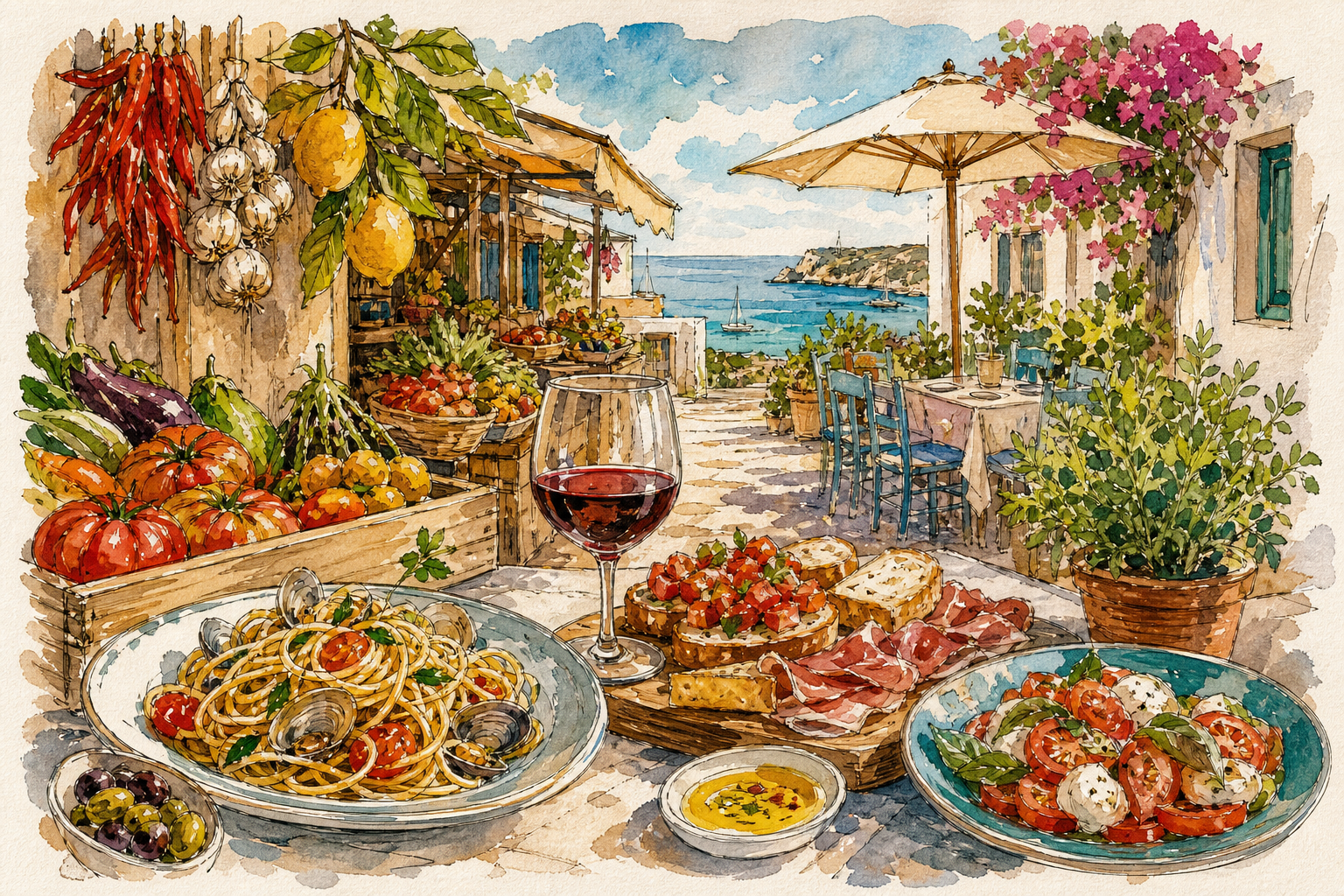
Food and evening experiences in Philippines
Check availability and pricesTripMatches · Remember · Plan
What do you want to do with Philippines?
Been to Philippines or still want to go? Pick one and we'll take you straight to it.


A Feast of Sour, Salty and Sweet Flavors
Filipino cuisine is an exciting fusion of Malay-Polynesian, Chinese, Spanish and American influences. It is characterized by its unique combination of sour, salty (alat) and sweet (tamis) flavors. Rice is the mainstay of every meal, and vinegar, soy sauce, and calamansi (a local lime) are essential ingredients in your pantry.
Must-Try Dishes
Dressing
Unofficially considered the national dish, adobo is a stew that can be chicken, pork, or both, marinated and simmered in a sauce of vinegar, soy sauce, garlic, bay leaves, and black peppercorns. Each family has its own recipe, but the result is always a tasty and comforting dish.
Sinigang
A sour and flavorful soup that defines the Filipino love for sour flavors. Traditionally, the acidity comes from tamarind, but other fruits such as calamansi or kamias can also be used. It is prepared with meat (pork, beef) or fish and a wide variety of vegetables.
piglet
The star dish of any celebration. It is a whole pig slowly roasted over charcoal until the skin is incredibly crispy and the meat is tender and juicy. The Cebu pig is particularly famous throughout the country.
Sisig
Originating from the Pampanga region, this dish is a popular starter served sizzling on a hot plate. It is made with finely chopped and cooked parts of the pig's head, seasoned with calamansi, onion and chili peppers.
Kare-Kare
A rich and creamy stew with a characteristic thick peanut sauce. Traditionally it is prepared with oxtail, but it can also include other meats and a variety of vegetables such as eggplant and green beans. It is served with 'bagoong' (fermented shrimp paste) on the side.
Pancit
Introduced by Chinese traders, 'pancit' (noodles) has become a mainstay of Filipino cuisine. There are countless varieties, but one of the most common is Pancit Bihon, thin rice noodles stir-fried with pieces of meat, shrimp and vegetables.
Typical Drinks

San Miguel Beer
The most famous and consumed beer in the country. San Miguel Pale Pilsen is a national icon, but the brand offers many other varieties. It is the perfect companion for the tropical Philippine climate.
Calamansi Juice
Calamansi is a small citrus fruit, a hybrid between mandarin and kumquat, and its juice is incredibly refreshing. It is served cold, often sweetened with a little honey or sugar.
Buko Juice (Coconut Water)
Straight from the young coconut (buko), this drink is the quintessential tropical hydration. The coconut is often served whole, cold, with a straw. Sometimes the tender coconut meat is also added.
Sago't Gulaman
A sweet and refreshing drink very popular in street stalls. It consists of a brown sugar syrup (arnibal) with tapioca pearls (sago) and gelatin cubes (gulaman).
Traditional Sweets
Halo-Halo
The quintessential Filipino dessert, which means 'mix-mix'. It's a colorful and extravagant mix of shaved ice, evaporated milk, and a variety of toppings like sweet beans, jellies, candied fruits, and 'leche flan', all topped with a scoop of 'ube' (purple yam) ice cream.
Flan Milk
Inherited from Spanish cuisine, it is an incredibly rich and creamy egg flan. The Filipino version uses a lot of egg yolks and condensed milk, which gives it a denser texture and more intense flavor than traditional flan.
Ube Halaya
A thick, sweet pudding made of grated 'ube' (purple yam), coconut milk and sugar. Its vibrant purple color is completely natural. It can be eaten alone or as an ingredient in other desserts such as halo-halo.
Biko
A very popular glutinous rice cake (kakanin). The rice is cooked with coconut milk and jaggery, and is often topped with 'latik', which is the solid, toasted remains left behind when the coconut milk is reduced.
Want to know more about Philippines?
Discover the full guide with history, detailed itineraries, practical tips and all the information you need.
View full guideTips for Gastronomy
San Miguel Beer
The most famous and consumed beer in the country. San Miguel Pale Pilsen is a national icon, but the brand offers many other varieties. It is the perfect companion for the tropical Philippine climate.
Food plan
Book a food tour in Philippines
Markets, local chefs and tastings with free cancellation
TripMatches · Remember · Plan
What do you want to do with Philippines?
Been to Philippines or still want to go? Pick one and we'll take you straight to it.
Quick info
Full destination guide
Access the full profile: attractions, weather, gastronomy, events and more.
Discover this destination in depthExplore more nearby
You might also like
Discover Philippines in a different way
Explore different ways to experience this destination based on your travel style
Philippines Budget
Affordable travel, free activities and smart tips to save money.
Philippines Train Travel
Scenic rail routes, historic stations and slow travel by train.
Philippines Romantic
Couples getaways, sunsets, boutique hotels and intimate experiences.
Philippines Culture & Heritage
Museums, historic monuments, architecture and immersive cultural experiences.
Philippines Gastronomy
Discover local cuisine, traditional markets, wineries and unique culinary experiences.