Sécurité
Excellent80100
Une ville très sûre.
Cliquez pour voir l'analyse
À propos:
Une ville très sûre.
Avantages:
- Faibles taux de criminalité.
- Très sûr de marcher la nuit.
À propos Diviser - Culture, histoire et caractère
Le croate est parlé avec un fort dialecte dalmate. L'anglais est universel dans les zones touristiques.
Explorez le passé fascinant de Diviser et découvrez son évolution au fil des siècles.
Contrairement à d'autres villes anciennes, l'histoire de Split commence de manière grandiose. Vers 305 après JC, l'empereur romain Dioclétien, l'un des derniers et des plus importants empereurs, décida de construire son palais de retraite sur la côte dalmate. Cet immense et luxueux complexe fortifié fut la base sur laquelle allait naître la ville.
Après la chute de l'Empire romain, les habitants de la ville voisine de Salona, fuyant les invasions avares et slaves au VIIe siècle, cherchèrent refuge dans les murs abandonnés du palais. Ils ont transformé ses salles, sous-sols et temples en maisons, magasins et églises, créant ainsi une ville unique au monde. Plus tard, la ville passa sous la domination byzantine, vénitienne et austro-Hongriee, chacune laissant sa marque.
Au XXe siècle, Split est devenue un port industriel majeur et la principale ville de la région de Dalmatie en Yougoslavie. Après l'indépendance de la Croatie, la Croatie a connu un boom touristique spectaculaire, devenant l'une des destinations les plus populaires de l'Adriatique et la principale plaque tournante des transports pour explorer les célèbres îles de Hvar, Brač et Vis.
La chronologie historique montre les moments clés qui ont défini le développement de Diviser au fil des siècles.
Découvrez ce qui rend cette ville spéciale grâce à notre système de notation complet
Une ville très sûre.
Une ville très sûre.
Paradis pour les piétons. Le palais, la vieille ville et le mont Marjan se découvrent à pied.
Paradis pour les piétons. Le palais, la vieille ville et le mont Marjan se découvrent à pied.
Le centre est entièrement accessible à pied. Les bus desservent la ville et les ferries constituent un moyen de transport essentiel vers les îles.
Le centre est entièrement accessible à pied. Les bus desservent la ville et les ferries constituent un moyen de transport essentiel vers les îles.
Prix moyens européens/internationaux : prévoir l'hébergement et les repas dans les zones touristiques.
Prix moyens européens/internationaux : prévoir l'hébergement et les repas dans les zones touristiques.
Très vivant et diversifié, des bars cachés dans les murs du palais aux grands festivals de musique électronique.
Très vivant et diversifié, des bars cachés dans les murs du palais aux grands festivals de musique électronique.
Un fort accent sur son héritage romain et le travail du sculpteur le plus important de Croatie.
Un fort accent sur son héritage romain et le travail du sculpteur le plus important de Croatie.
Le cœur de la cuisine dalmate : simple, fraîche et délicieuse.
Le cœur de la cuisine dalmate : simple, fraîche et délicieuse.
Un bon mélange de marchés locaux, de boutiques de souvenirs et de marques internationales.
Un bon mélange de marchés locaux, de boutiques de souvenirs et de marques internationales.
Climat dalmate parfait : étés chauds et ensoleillés et hivers doux.
Climat dalmate parfait : étés chauds et ensoleillés et hivers doux.
Une ville parfaitement adaptée au tourisme et principale plaque tournante des transports de la région.
Une ville parfaitement adaptée au tourisme et principale plaque tournante des transports de la région.
Idéal pour les familles, avec des plages urbaines, une histoire fascinante et une atmosphère détendue.
Idéal pour les familles, avec des plages urbaines, une histoire fascinante et une atmosphère détendue.
En tant que l'une des villes les plus grandes et les plus cosmopolites de Croatie, c'est un endroit sûr et accueillant.
En tant que l'une des villes les plus grandes et les plus cosmopolites de Croatie, c'est un endroit sûr et accueillant.
Les Dalmatiens sont célèbres pour leur nature extravertie, bruyante et amicale. L'atmosphère est vibrante et accueillante.
Les Dalmatiens sont célèbres pour leur nature extravertie, bruyante et amicale. L'atmosphère est vibrante et accueillante.
Une combinaison parfaite de beauté historique et naturelle, avec le palais, la mer bleue et la colline verte de Marjan.
Une combinaison parfaite de beauté historique et naturelle, avec le palais, la mer bleue et la colline verte de Marjan.
Absolument unique. Une ville entière qui s’est développée de manière organique à l’intérieur d’un palais romain.
Absolument unique. Une ville entière qui s’est développée de manière organique à l’intérieur d’un palais romain.
D'importance mondiale pour abriter le palais de Dioclétien, l'un des monuments romains les mieux conservés et le seul qui constitue le cœur d'une ville moderne.
D'importance mondiale pour abriter le palais de Dioclétien, l'un des monuments romains les mieux conservés et le seul qui constitue le cœur d'une ville moderne.
Un merci exceptionnel au Mont Marjan, « poumon de la ville ».
Un merci exceptionnel au Mont Marjan, « poumon de la ville ».
Le centre historique et la Riva sont très propres. En tant que ville portuaire, d’autres zones peuvent être plus difficiles.
Le centre historique et la Riva sont très propres. En tant que ville portuaire, d’autres zones peuvent être plus difficiles.
Un écosystème petit mais en pleine croissance, porté par la technologie et le tourisme.
Un écosystème petit mais en pleine croissance, porté par la technologie et le tourisme.
Une destination de plus en plus populaire auprès des nomades pour son style de vie incroyable, son prix abordable et son atmosphère sociale.
Une destination de plus en plus populaire auprès des nomades pour son style de vie incroyable, son prix abordable et son atmosphère sociale.
Évaluation complète de cette destination
Descubre las mejores épocas para visitar Diviser y qué esperar durante todo el año.
Climat dalmate parfait : étés chauds et ensoleillés et hivers doux.
L'une des villes les plus ensoleillées d'Europe.
La brise marine (« maestral ») soulage la chaleur estivale.
Le vent « Bura » en hiver peut être très fort et froid.
Les étés sont très ensoleillés et chauds, parfaits pour la vie côtière.
La fin du printemps et le début de l'automne sont les meilleures périodes pour un équilibre entre beau temps et moins de monde.
Météo parfaite, idéale pour explorer la ville et les îles avec moins de monde.
Chaleureux et très vivant. Haute saison pour la vie à la plage et les festivals de musique.
La mer est encore chaude et le temps est idéal. Les foules se raréfient, c'est une période fantastique pour visiter.
Doux mais souvent pluvieux et venteux. La ville est beaucoup plus calme et dégage une atmosphère locale.
Planifiez vos dépenses et découvrez les meilleures zones commerciales
Dépense journalière par personne
Plus abordable que Dubrovnik. Il offre un excellent rapport qualité/prix, notamment en matière de restauration et de boissons en dehors du cœur du palais.
par jour
par jour
par jour
Meilleurs domaines
2 domaines
Clic para ver detalles
Clic para ver detalles
2 domaines
Clic para ver detalles
Clic para ver detalles
1 zone
Clic para ver detalles
Explorez les endroits les plus fascinants que cette ville a à offrir
Le cœur et l'âme de Split. Un vaste palais romain du IVe siècle qui constitue aujourd'hui le centre historique de la ville, avec ses caves, son péristyle et ses quatre portes monumentales.
Le salon en plein air de Split. Une large promenade bordée de palmiers et de cafés, avec d'un côté la façade sud du palais et de l'autre la mer Adriatique.
Située dans l'ancien mausolée de Dioclétien, c'est l'une des plus anciennes cathédrales du monde. Son clocher roman offre des vues spectaculaires.
La cour centrale du palais de Dioclétien, entourée de colonnes de granit. Un endroit incroyablement atmosphérique où les touristes et les locaux sont assis sur ses marches.
Le « poumon de Split ». Un vaste parc forestier sur une presqu'île, avec des sentiers, des belvédères, des églises médiévales et des plages. Les vues du point de vue « Prva Vidilica » sont essentielles.
Un impressionnant musée dédié au sculpteur le plus important de Croatie, situé dans son ancienne résidence d'été. Il abrite une vaste collection de ses œuvres en marbre, bronze et bois.
La plage urbaine la plus célèbre de Split, une baie de sable peu profonde à quelques minutes du centre. C'est le berceau du « picigin », un jeu de balle local unique.
Une belle plage de galets sur le versant sud de Marjan, avec un club de plage élégant et des eaux cristallines.
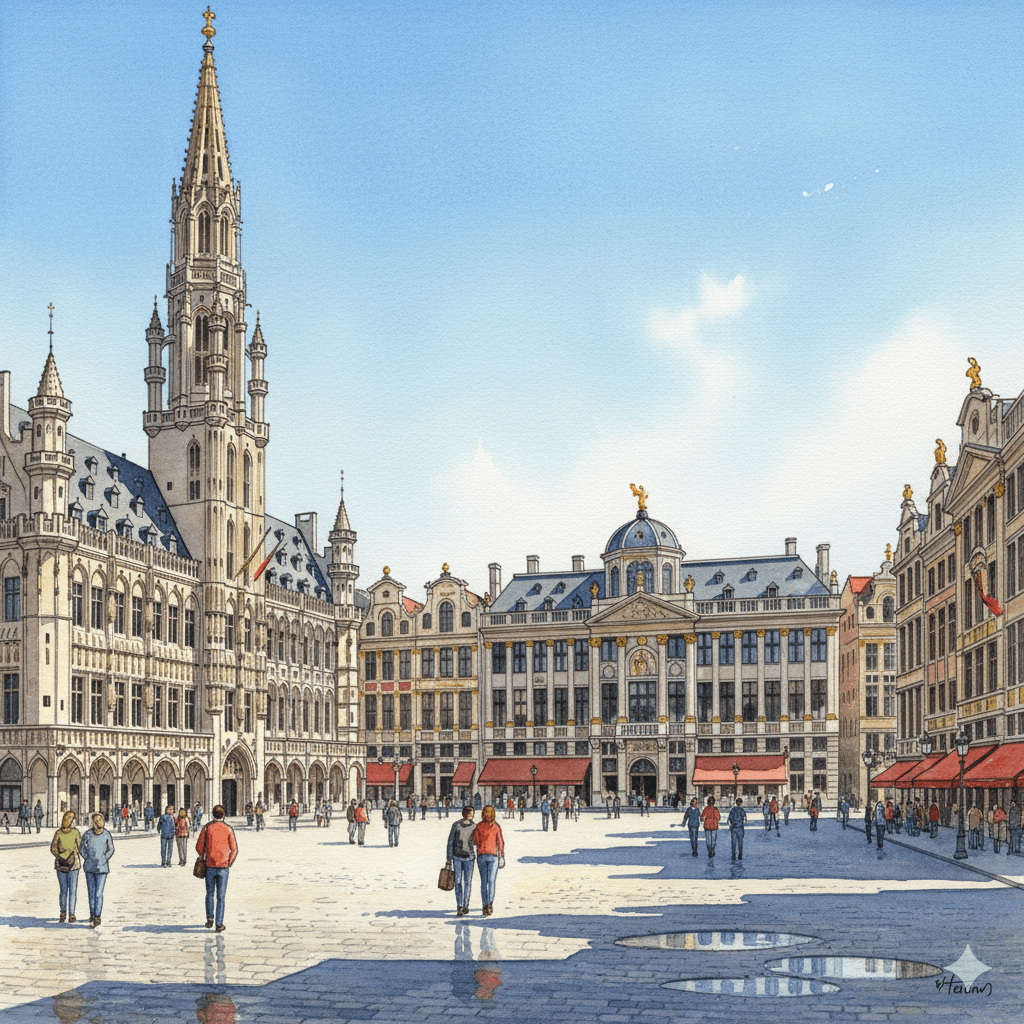
La place principale de Split, un lieu incontournable à visiter.
Le marché local de Split, un lieu incontournable à visiter.
Split Central Park, un lieu incontournable à visiter.
Split Art Museum, un lieu incontournable à visiter.
Point de vue panoramique de Split, un lieu incontournable à visiter.
Zone commerciale de Split, un lieu incontournable à visiter.
Le quartier traditionnel de Split, un lieu incontournable à visiter.
Découvrez des destinations fascinantes près de Diviser, idéales pour des excursions d'une journée
Prenez un ferry ou un catamaran vers l'île la plus glamour de Croatie, célèbre pour sa capitale animée, ses champs de lavande et ses superbes criques.
Visitez l'île célèbre pour sa plage emblématique de Zlatni Rat (Corne d'Or) et la pierre blanche utilisée pour construire la Maison Blanche à Washington D.C.
Une excursion d'une journée très populaire pour voir les spectaculaires cascades et piscines naturelles de Skradinski Buk, où vous pourrez nager.
Charmante petite cité insulaire médiévale classée au patrimoine mondial de l'UNESCO, à seulement 30 minutes de Split. C'est un joyau architectural.
Ville située à l'embouchure de la rivière Cetina, célèbre pour son histoire de pirates. Idéal pour les activités d'aventure telles que le rafting, la tyrolienne et la randonnée.
Découvrez les meilleures expériences et activités pour chaque période de l'année
L'un des plus grands festivals de musique électronique au monde, attirant les meilleurs DJ et des dizaines de milliers de personnes dans la ville pendant plusieurs jours.
Un prestigieux festival d'opéra, de théâtre, de danse et de musique qui utilise des décors spectaculaires comme le Péristyle du palais.
La ville remonte à l'époque romaine. Les gens s'habillent en toges, l'empereur Dioclétien s'adresse à la foule depuis le péristyle et des défilés de légionnaires ont lieu.
Découvrez la culture et les traditions dynamiques de cette ville à travers ses festivals uniques
Conseils essentiels et connaissances locales pour rendre votre voyage mémorable et sûr
Comprendre le « Konoba »
Une « konoba » est une taverne dalmate traditionnelle servant des plats faits maison, souvent dans un cadre rustique. Ils constituent la meilleure option pour un repas authentique.
Essayez "Soparnik"
Une savoureuse galette salée fourrée aux blettes, une spécialité de la région que vous retrouverez au marché de Pazar. Il bénéficie d'une indication géographique protégée.
Réservez les ferries à l'avance
En haute saison, les catamarans rapides vers les îles les plus populaires (notamment Hvar) sont complets. Achetez vos billets en ligne quelques jours avant.
Utilisez les sous-sols pour traverser
Les caves (Podrumi) du palais de Dioclétien ne sont pas seulement un site historique, mais aussi un passage public reliant la Riva au Péristyle, idéal pour éviter la foule ou la pluie.
Apprenez l'art du 'Fjaka'
Ce n’est pas de la paresse, c’est un état d’esprit sublime de détente et de ne rien faire. La culture du café à Riva en est l'expression maximale. Commandez un café et profitez du moment sans vous presser.
Jouez (ou regardez) « Picigin »
Sur la plage de Bačvice, vous verrez des habitants jouer au « picigin » : un jeu acrobatique qui consiste à garder une petite balle hors de l'eau. C'est un sport amateur qui fait partie du patrimoine culturel immatériel de la Croatie.
eau du robinet
L'eau du robinet est potable et d'excellente qualité.
Monter le clocher de Saint Domnius
La montée est étroite et un peu vertigineuse, mais offre la meilleure vue à 360 degrés sur le cœur du palais, la Riva et le port. C'est mieux que n'importe quel drone.
Cherchez le bar « Žbirac » à Bačvice
Juste au-dessus de la plage de Bačvice, c'est un bar sans prétention, très apprécié des locaux, doté d'une terrasse offrant l'une des plus belles vues sur la baie et le coucher de soleil. Un endroit parfait pour une bière pas chère en fin de journée.
Réponses rapides pour planifier votre voyage en toute confiance
Planifiez votre voyage parfait avec nos recommandations personnalisées et nos conseils locaux.
Planifier mon voyageTripMatches · Se souvenir · Planifier
Êtes-vous déjà allé à Diviser ou aimeriez-vous encore y aller ? Choisissez et nous vous menons directement à l'action.
Importez votre voyage à Diviser et gardez ce que vous avez vécu.
Importer un voyageEnregistrez Diviser dans vos destinations ou commencez un nouveau plan.
Plans prêts à enregistrer — et bientôt à transformer en voyage.