Preparing the experience...
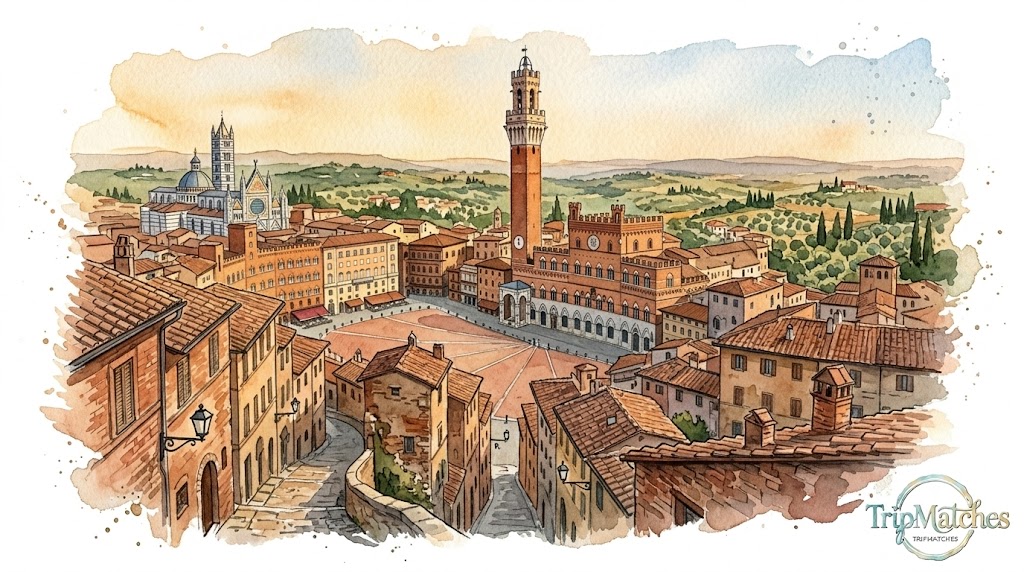
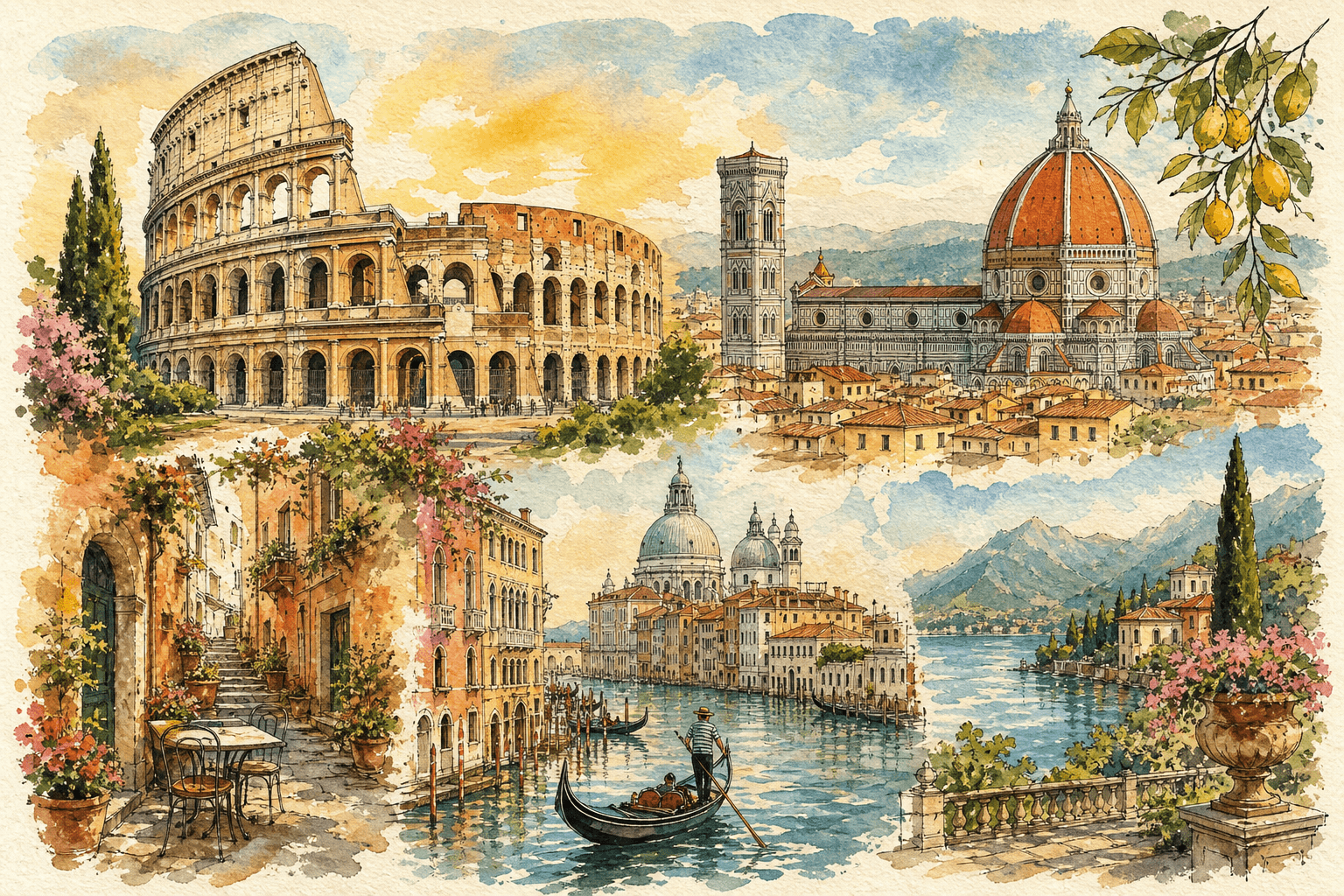
Tuscany is the beating heart of Italy, a region that conjures images of sun-drenched golden hills, winding country roads flanked by cypress trees, and a world-changing artistic legacy. It is the cradle of the Renaissance, where the genius of Michelangelo, Leonardo da Vinci and Botticelli flourished in the streets and palaces of Florence. Here, history is felt in every stone, from Siena's medieval Piazza del Campo, scene of the historic Palio, to the sky-defying towers in San Gimignano. Tuscany is a sensory journey: the aroma of the vineyards in Chianti, the taste of freshly pressed olive oil, the beauty of landscapes such as the Val d'Orcia and the charm of its walled towns. It is a land that invites you to live the "dolce vita", enjoying its simple pleasures and its deep cultural heritage.
Descubre las ciudades más fascinantes de Tuscany
Florence estará disponible próximamente con información completa y detallada.
Pisa estará disponible próximamente con información completa y detallada.
Siena estará disponible próximamente con información completa y detallada.
Lucca estará disponible próximamente con información completa y detallada.
Holidays in Tuscany are a vibrant celebration of history, tradition and local pride. From medieval horse races to satirical carnivals, these events immerse the visitor in the soul of the region.
July 2 and August 16.
The most famous and passionate party in Tuscany. A frenetic bareback horse race in Piazza del Campo where 10 of the city's 17 districts ('contrade') compete for the honour. The event is preceded by a spectacular historical parade with medieval costumes.
June, with the final on June 24.
A brutal and fascinating historical sport, precursor to football and rugby, played in the Piazza Santa Croce in Florence. Four teams from the city's historic neighborhoods compete in matches in 16th-century costumes.
Various weekends in February and early March.
One of the most important carnivals in Italy, famous for its gigantic and satirical paper mache floats that parade along the seafront. The floats often depict caricatures of politicians and celebrities.
Easter Sunday.
The 'Chariot Explosion' is a tradition of more than 350 years. An antique car loaded with fireworks is lit by a 'colombina' (a dove-shaped rocket) that flies from the main altar of the Cathedral. A spectacle of fire and sound that ensures a good harvest.
The night of June 16.
A magical night in which the palaces, churches and bridges along the Arno River in Pisa are illuminated with more than 70,000 candles, creating an unforgettable spectacle of lights and reflections on the eve of the city's patron saint's day.
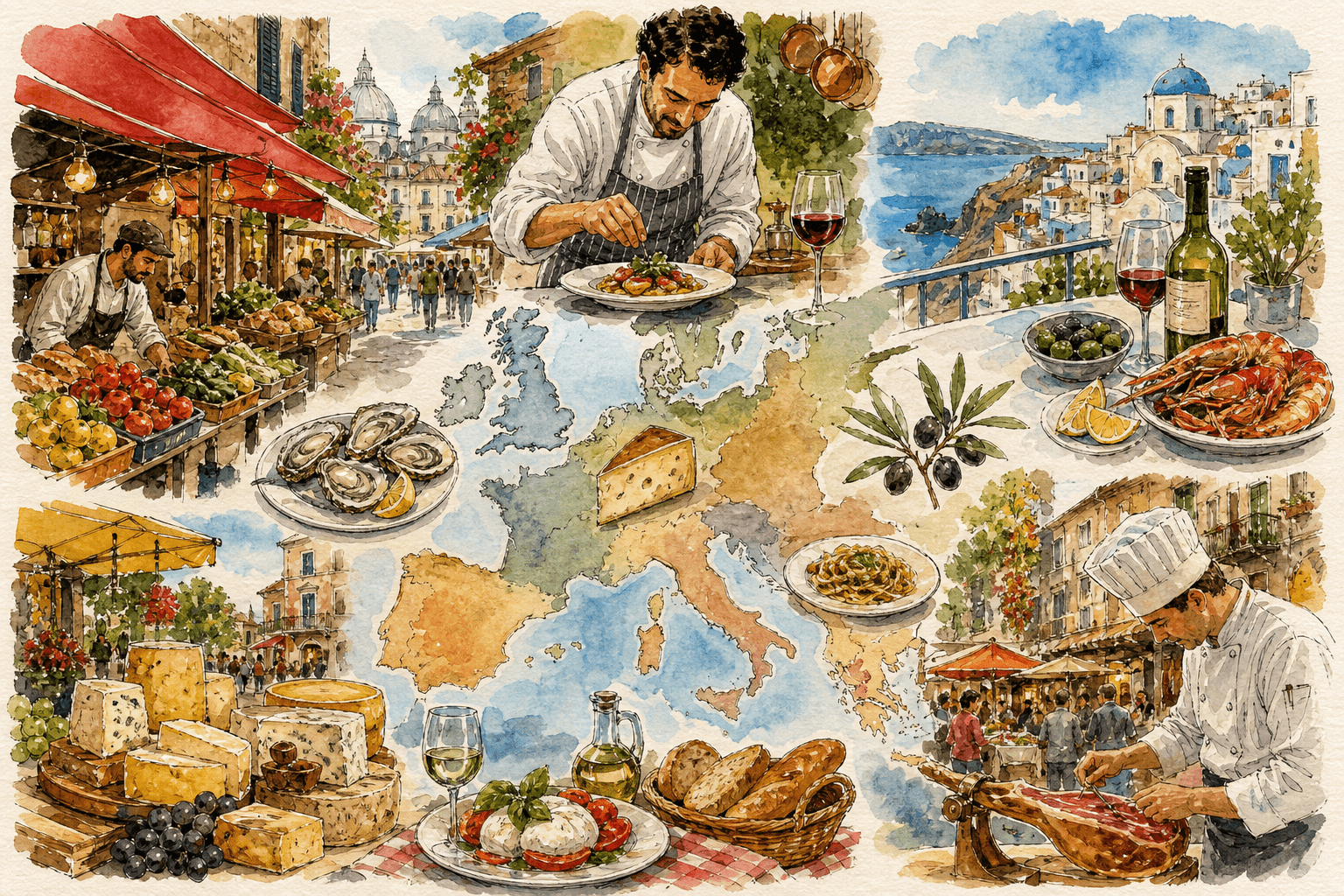
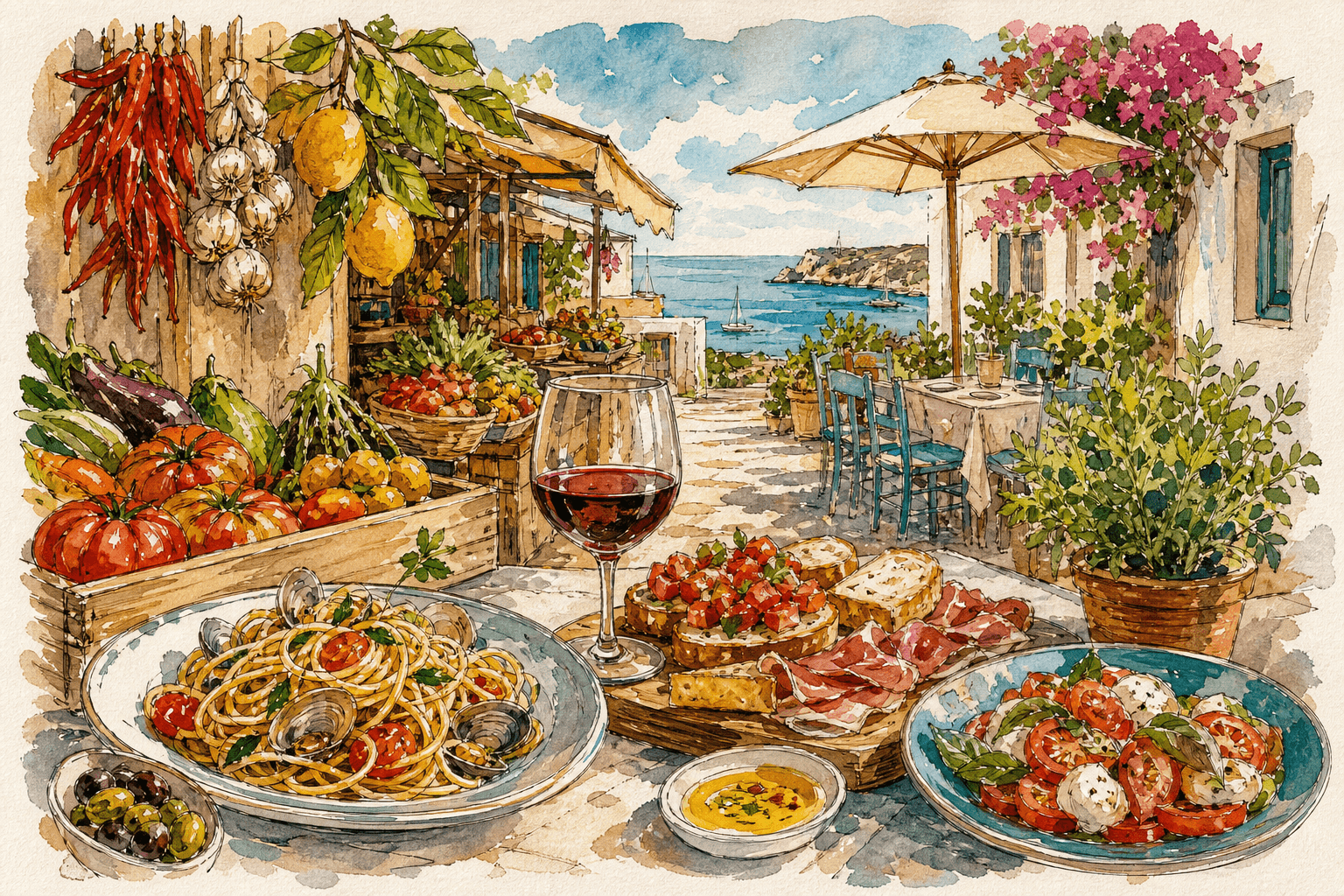
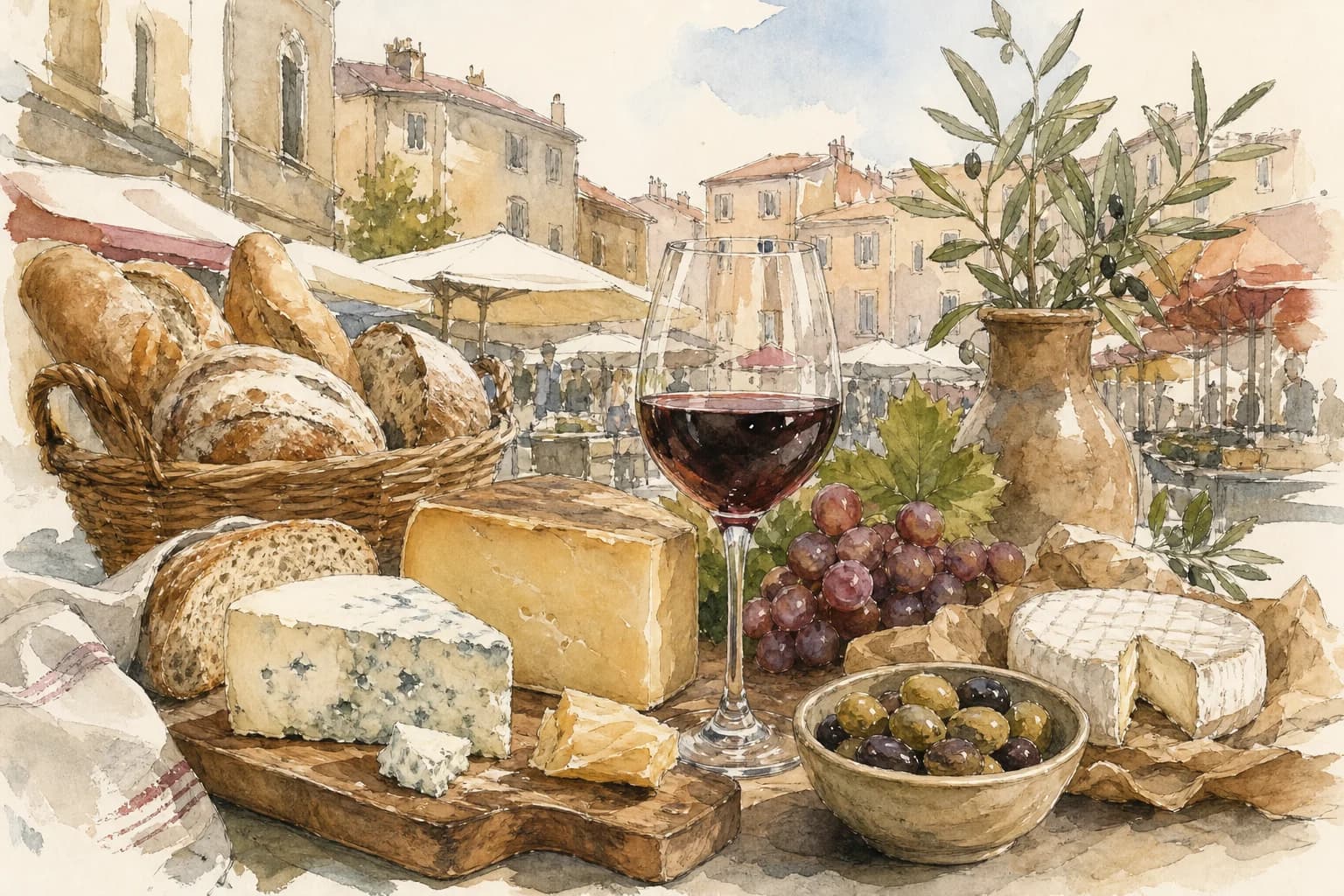
Tuscan cuisine is based on 'cucina povera' (poor cuisine), a concept that values the simplicity and quality of local ingredients. It is an honest and tasty gastronomy, where unsalted bread, legumes, grilled meats and exceptional olive oil are the protagonists.
Chianina beef steak, thick and rare, grilled. It is so large that it is usually shared between several people.
A hearty and delicious peasant soup, whose name means 'boiled twice'. It is made with stale bread, cannellini beans, and vegetables, especially Tuscan kale (cavolo nero).
A thick, comforting soup made with ripe tomatoes, stale bread, garlic, basil and plenty of extra virgin olive oil.
The 'street food' par excellence of Florence. It is the fourth stomach of the cow, slowly cooked in a vegetable broth and served on a bun, often with green or spicy sauce.
A fresh pasta typical of the Siena area, similar to thick and irregular spaghetti, made by hand. It is often served with meat ragù or 'all'aglione' (garlic sauce).
Tuscan bread toasts covered with a rustic pate of chicken livers, anchovies and capers. A classic appetizer.
A refreshing summer salad that takes advantage of stale bread, soaked and mixed with tomatoes, cucumbers, red onion and basil, dressed with oil and vinegar.
The most emblematic wine of Tuscany, a red produced in the area between Florence and Siena. Look for the 'Gallo Nero' seal as a guarantee of quality.
One of the most prestigious and long-aged red wines in Italy, made 100% with Sangiovese grapes in the Montalcino area.
Another of the great Tuscan red wines, with a rich history and a robust and elegant flavor.
A sweet and amber dessert wine, made with raisined grapes. Traditionally it is served to dip the 'cantucci' at the end of a meal.
Hard, dry almond cookies, twice baked. They are originally from Prato and it is customary to dip them in Vin Santo.
A dense and spicy Sienna sweet, similar to a fruit cake, made with honey, dried fruits, spices and candied fruit.
Soft Siena marzipan cookies, oval shaped and covered in icing sugar. They melt in your mouth.
A flat and dense cake, typical of autumn, made with chestnut flour, pine nuts, raisins, walnuts and rosemary.
Cradle of the Renaissance, an open-air museum with masterpieces by artists such as Giotto, Brunelleschi, Botticelli and Michelangelo.
Known as the 'Square of Miracles', it is home to the Cathedral, the Baptistery, the Cemetery and the world-famous Leaning Tower.
Considered the perfect example of a medieval city, with Piazza del Campo as its spectacular heart.
Famous for its tall medieval towers that create a unique skyline and testify to the power of the families who built them.
The 'ideal city' of the Renaissance, redesigned by Pope Pius II according to humanist principles of urban planning.
An exceptional cultural landscape, where Renaissance hills were aesthetically redesigned to reflect an ideal government, inspiring countless artists.
A set of 12 villas and 2 gardens that illustrate the influence of the Medici family on European culture, creating a new harmony between architecture and nature.
Spring (April-May) and Fall (September-October) are the best times. The weather is pleasant, the landscapes are at their peak and there are fewer crowds than in summer. Spring is ideal to see the fields in bloom, while autumn is the time of the grape harvest. Summer (June-August) can be very hot, especially in the cities, but it is perfect for enjoying the coast and the many music festivals. Winter is quieter and cheaper, ideal for visiting museums without crowds, although in rural areas many hotels may be closed.
In the busiest tourist areas such as Florence, Pisa and Siena, keep an eye on your belongings to avoid pickpockets. To visit the main churches and cathedrals, respectful clothing is required (shoulders and knees covered). Book tickets to major museums, such as the Uffizi Gallery and the Accademia Gallery in Florence, well in advance to avoid long lines. Driving in historic city centers is usually restricted to residents (ZTL - Limited Traffic Zone), so do your research before entering with your car.
Start planning your perfect trip to this amazing region