

Explora la cultura de Zebu: Tradición viva
Sumérgete en la rica historia y cultura de Zebu a través de sus museos y monumentos.
Cebu is a historic and major city on the island of Cebu, located in the Visayas archipelago in the Philippines. It is known as the first Spanish city established in the Philippines, founded in 1565 by Miguel López de Legazpi. Cebu stands out for its cultural, historical and economic importance in the country, being a vibrant urban center with a significant population that combines ancient traditions with modern development. Geographically, Cebu is situated on a strategic island in the center of the Philippines, making it a key point for trade and tourism. The city has a rich Spanish colonial heritage visible in its monuments and architecture, such as the Basilica Menor del Santo Niño, and is famous for being the place where Ferdinand Magellan landed in 1521. In addition, Cebu is a major economic and tourist center, with beaches, historical sites and a unique local culture that mixes indigenous, Spanish and modern influences. Its urban and metropolitan population exceeds one million inhabitants, consolidating it as one of the largest and most dynamic cities in the country.
Tickets and monuments in Zebu
Check availability and pricesTripMatches · Remember · Plan
What do you want to do with Zebu?
Been to Zebu or still want to go? Pick one and we'll take you straight to it.

Culture & Heritage
Discover the rich history, art and traditions of Zebu
Cebu has a rich local culture with traditional festivals and a growing arts scene, although less developed than in Manila.
Best of local culture
Museums & Galleries
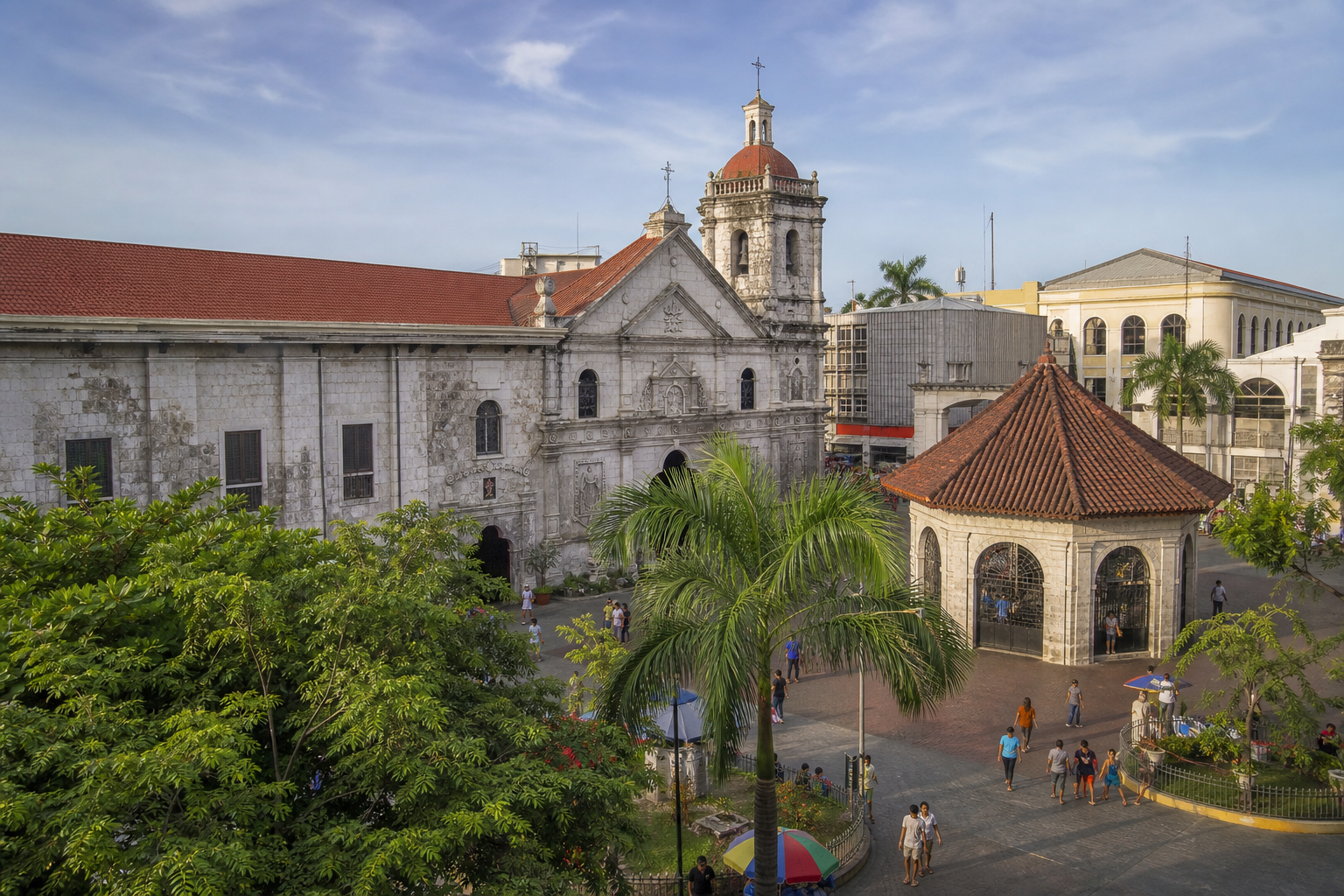
Basilica of the Santo Niño
The oldest church in the Philippines, founded in 1565, houses the venerated image of the Santo Niño, given by Magellan. It is the spiritual heart of Cebu and the epicenter of the famous Sinulog festival, which combines devotion, history and local culture with traditional parades and dances.
St. Peter's Fort
First Spanish fortress in the Philippines, built in 1738 to defend the city from pirates. Today it is a historical park and museum with colonial artifacts and panoramic views of Cebu Harbor.
Magellan's Cross
A symbol of Catholicism in the Philippines, it marks the place where Magellan planted the original cross in 1521. It is a historical and religious emblem of the city.
Gorordo House
House museum that shows how Filipino families lived during the Spanish colonial era. It houses furniture, art and everyday objects from the 19th century.
Festivals & Events
Sinulog Festival
Third Sunday in JanuarySinulog is the largest festival in Cebu and the Philippines, celebrated in honor of the Santo Niño (Baby Jesus). It lasts nine days and culminates with a great parade. It includes a river procession at dawn, a solemn procession through the main streets and ritual dances representing the flow of the Pahina River. It is a mix of indigenous and Christian tradition, with music, dance and religious acts.
Red Lantern Festival
Annual Chinese New Year celebration (date varies between January and February)Annual festival in Cebu City that celebrates the Chinese New Year with traditional decorations, red lanterns, cultural events and community activities that highlight the Chinese heritage in the city.
Lalin Festival (Asturias Festival)
From August 6 to 17Annual celebration in the municipality of Asturias, Cebu, which includes cultural nights, contests, musical performances, parade and community events that promote local identity and pride.
History

Origins
Before the arrival of the Spanish, Cebu was an Indianized rakhanate known as Sugbu, founded by Sri Lumay, a prince of the Chola dynasty of India. The capital was Singhapala, and the region was divided into territories governed by his sons. Cebu was an important political and commercial center in the region, facing Moorish pirates and maintaining its own culture with Malay and Tamil influences.
Development
During the Middle Ages and early modern era, Cebu was a strategic point for trade in Southeast Asia. In 1521, Ferdinand Magellan landed in Cebu, marking the beginning of European contact. In 1565, Miguel López de Legazpi founded the Villa de San Miguel de Cebu, establishing the first Spanish city in the Philippines and creating the first Christian institutions on the island. This period marked the beginning of Spanish colonization and the integration of Cebu into the colonial empire.
Modern era
In the 20th and 21st centuries, Cebu has experienced significant urban and economic growth, becoming an industrial, commercial and tourist center. The city maintains its historical importance with monuments and cultural festivals, while its international airport and port facilitate connections with other regions and countries. Cebu plays a crucial role in the contemporary Philippine economy and is a popular tourist destination for its beaches, culture and historical heritage.
Ratings
Scores by category
Culture
Cebu has a rich local culture with traditional festivals and a growing arts scene, although less developed than in Manila.
Heritage
Cebu has great historical importance as the first Spanish settlement in the Philippines and a cultural center for centuries.
Architecture
Cebu's architecture combines Spanish colonial influences with modern constructions, reflecting its history and current development.
Want to know more about Zebu?
Discover the full guide with history, detailed itineraries, practical tips and all the information you need.
View full guideTips for Culture & Heritage
Local secrets
Visit Olango Island for bird watching or explore lesser-known waterfalls like Tumalog.
best moments
Avoid typhoon season (June to November); The months from January to May are ideal for tourism.
Local language
Cebuano is the main language, but English is widely spoken; learn basic greetings like 'Kumusta' (hello).
Local customs
Greet with a smile and respect; Avoid showing anger in public and respect religious traditions.
Healthcare system
Cebu has quality private hospitals such as Chong Hua; For emergencies, go to recognized centers.
Pharmacies
Pharmacies like Mercury Drug are open late; They carry basic medications and advice.
General Security
Cebu is relatively safe for tourists if you apply common sense; Avoid deserted and poorly lit areas, especially at night.
Areas to avoid
Avoid peripheral neighborhoods with high poverty and avoid busy streets after dark to minimize the risk of assaults and robberies.
TripMatches · Remember · Plan
What do you want to do with Zebu?
Been to Zebu or still want to go? Pick one and we'll take you straight to it.
Quick info
Full destination guide
Access the full profile: attractions, weather, gastronomy, events and more.
Discover this destination in depthExplore more nearby
You might also like
Discover Zebu in a different way
Explore different ways to experience this destination based on your travel style
Zebu Digital Nomad
Connectivity, living costs and practical conditions for working remotely.
Zebu Budget
Affordable travel, free activities and smart tips to save money.
Zebu Train Travel
Scenic rail routes, historic stations and slow travel by train.
Zebu Culture & Heritage
Museums, historic monuments, architecture and immersive cultural experiences.
Zebu Gastronomy
Discover local cuisine, traditional markets, wineries and unique culinary experiences.