

Explora la cultura de Basin: Tradición viva
Sumérgete en la rica historia y cultura de Basin a través de sus museos y monumentos.
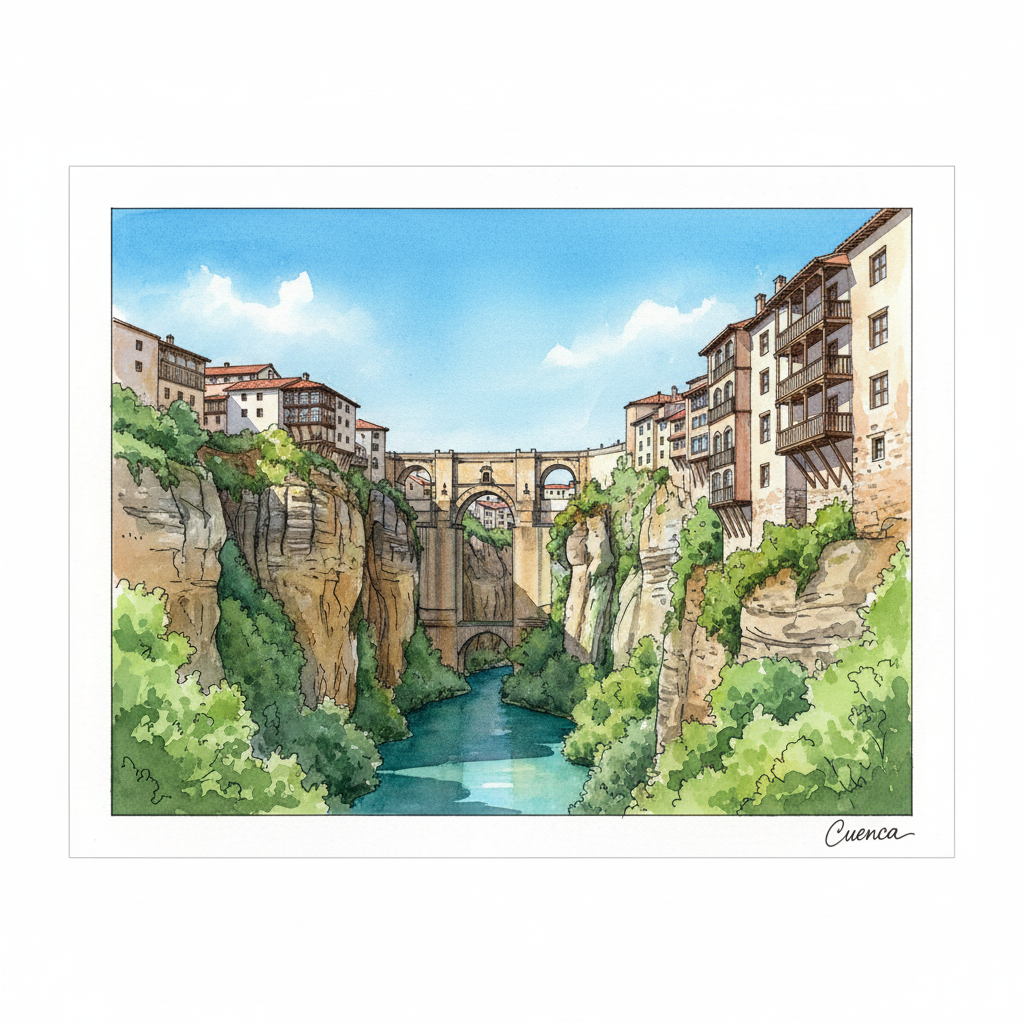
Cuenca is a Spanish city located in the autonomous community of Castilla-La Mancha, capital of the homonymous province. It stands out for its historic center declared a World Heritage Site by UNESCO, characterized by its Hanging Houses that overlook the deep canyon of the Huécar River. With an approximate population of 53,429 inhabitants (INE 2024), Cuenca combines its rich medieval history with a privileged natural environment, located in the eastern part of Castilla-La Mancha, at the confluence of the Júcar and Huécar rivers. Its importance lies in its cultural, architectural and natural value, being a tourist and cultural reference in Spain. The city offers a balance between historical heritage, nature and modernity, with museums, festivals and typical cuisine of the region. Its geographical location in a mountainous terrain and its continentalized Mediterranean climate make it special, with cold winters and hot summers, and a landscape that invites outdoor activities and cultural tourism.
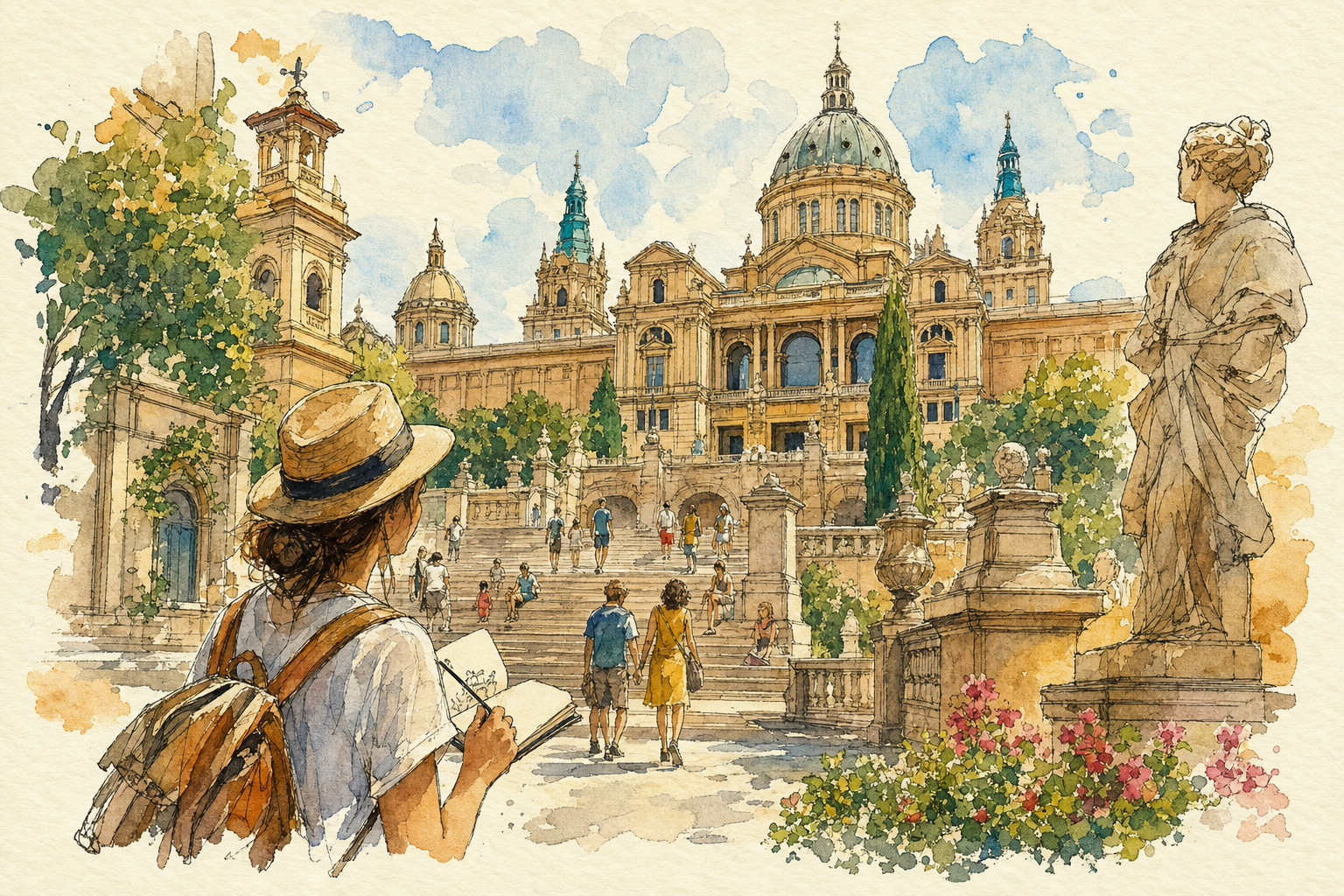
Tickets and monuments in Basin
- Skip-the-line options
- Instant confirmation on selected experiences
- Free cancellation on selected experiences
TripMatches · Remember · Plan
What do you want to do with Basin?
Been to Basin or still want to go? Pick one and we'll take you straight to it.

Culture & Heritage
Discover the rich history, art and traditions of Basin
Cuenca has a rich cultural and artistic offer, with museums, festivals and traditional events.
Best of local culture
Museums & Galleries
Hanging Houses
Civil constructions from the Late Middle Ages, between the 13th and 15th centuries, integrated into cliffs more than 60 meters high above the Huécar River. Its wooden balconies that overlook the river and house the Museum of Spanish Abstract Art stand out.
Mangana Tower
Old defensive tower from the 16th century located in the old town, renovated several times. It is one of the highest points in Cuenca and offers panoramic views of the city, as well as information panels about its history.
Museum of Spanish Abstract Art
Museum located in the Casas Colgadas that houses an important collection of contemporary Spanish abstract art, promoted by the Juan March Foundation.
Cuenca Castle
Medieval fortress located in the old town, with visible remains of walls and towers. It was a strategic defensive point and today it is a historical symbol of the city.
Festivals & Events
San Julián Fair and Festivals
end of augustTraditional celebration in honor of San Julián, patron saint of Cuenca, which includes notable concerts such as the Poetas del Rock Festival, the Amaral concert and the Indispensables Festival with national pop, rock and indie artists. It takes place in the grounds attached to the La Fuensanta municipal stadium.
Membra Fest
end of juneMusic festival held in Motilla del Palancar, province of Cuenca, with more than 20 national artists from genres such as indie, pop, electronic, metal and rock. Groups such as Shinova, Siloé, Ladilla Rusa and King África stand out, offering a live music environment surrounded by nature.
FIDA Festival
July 26Indie and pop music festival that brings together emerging and established artists in a one-day event in Cuenca, with a young and fresh atmosphere.
History

Origins
The origins of Cuenca date back to Roman times, although the area was inhabited since pre-Roman times by Celtiberians. Later, it was occupied by Visigoths and Muslims. The city was reconquered by Alfonso VIII of Castile in 1177, when its development began as a stronghold and an important urban center in the Middle Ages.
Development
During the Middle Ages, Cuenca grew as a fortified city and a commercial and religious center. Important monuments were built such as the Cathedral of Saint Mary and Saint Julian and the Hanging Houses. In the modern era, the city maintained its regional importance, although it suffered periods of economic and demographic decline. In the 19th century, Cuenca lost part of its territory with the segregation of Requena-Utiel towards Valencia.
Modern era
In the 20th and 21st centuries, Cuenca has experienced a resurgence thanks to cultural and natural tourism. Heritage conservation and sustainable urban development projects have been promoted. The city has improved infrastructure and services, consolidating itself as a leading tourist destination in Spain, with cultural events and a diversified economy that includes agriculture, services and tourism.
Ratings
Scores by category
Culture
Cuenca has a rich cultural and artistic offer, with museums, festivals and traditional events.
Heritage
Cuenca has great historical importance, with an old town declared a World Heritage Site and numerous monuments.
Architecture
The architecture of Cuenca is one of its greatest attractions, highlighting its historic center declared a World Heritage Site.
Want to know more about Basin?
Discover the full guide with history, detailed itineraries, practical tips and all the information you need.
View full guideTips for Culture & Heritage
Local secrets
Visit the Mirador del Barrio del Castillo for unique views and explore less touristy alleys of the Old Town.
best moments
Avoid the tourist rush hours at midday; Early in the morning or at dusk are ideal for walks without crowds.
Local language
Spanish is the official language; Basic phrases like 'please', 'thank you' and 'good morning' are well received.
Local customs
Greet with a handshake or two kisses on the cheek between acquaintances; Respects nap and rest times.
Healthcare system
Cuenca has health centers and a public hospital; In case of emergency, call 112.
Pharmacies
Pharmacies open during business hours, with night guards; Check the guard sign in each pharmacy.
General Security
Cuenca has a Safe Tourism Plan that reinforces the police presence in tourist areas, stations and massive events to protect visitors and merchants.
Areas to avoid
Central and tourist areas are safe, but caution is recommended on poorly lit streets and avoid displaying valuables in public to prevent theft.
TripMatches · Remember · Plan
What do you want to do with Basin?
Been to Basin or still want to go? Pick one and we'll take you straight to it.
Quick info
Full destination guide
Access the full profile: attractions, weather, gastronomy, events and more.
Discover this destination in depthExplore more nearby
You might also like
Discover Basin in a different way
Explore different ways to experience this destination based on your travel style
Basin Digital Nomad
Connectivity, living costs and practical conditions for working remotely.
Basin Budget
Affordable travel, free activities and smart tips to save money.
Basin Train Travel
Scenic rail routes, historic stations and slow travel by train.
Basin Romantic
Couples getaways, sunsets, boutique hotels and intimate experiences.
Basin Culture & Heritage
Museums, historic monuments, architecture and immersive cultural experiences.
Basin Gastronomy
Discover local cuisine, traditional markets, wineries and unique culinary experiences.