Chargement de la destination...
Chargement de la destination...
Chargement de la destination...
Chargement de la destination...
Chargement de la destination...
Chargement de la destination...
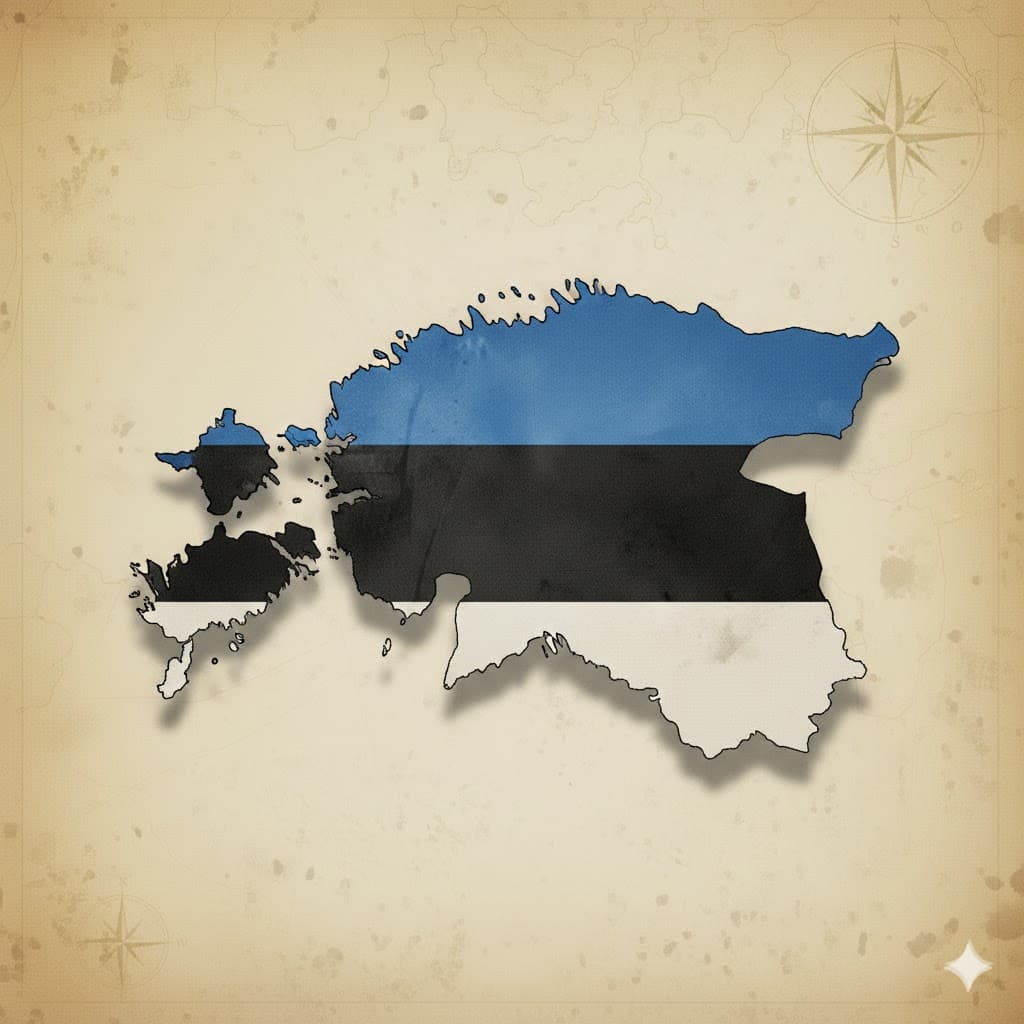
Sumérgete en la rica historia y cultura de Estonie a través de sus museos y monumentos.
L'Estonie est le pays balte le plus septentrional, une nation qui associe une charmante vieille ville médiévale dans sa capitale, Tallinn, à l'une des sociétés les plus avancées au monde en matière numérique. Plus de 50 % de son territoire est couvert de forêts, parsemé de marécages mystiques et bordé par un littoral accidenté comptant plus de 2 000 îles.
TripMatches · Se souvenir · Planifier
Êtes-vous déjà allé à Estonie ou aimeriez-vous encore y aller ? Choisissez et nous vous menons directement à l'action.
Importez votre voyage à Estonie et gardez ce que vous avez vécu.
Importer un voyageEnregistrez Estonie dans vos destinations ou commencez un nouveau plan.
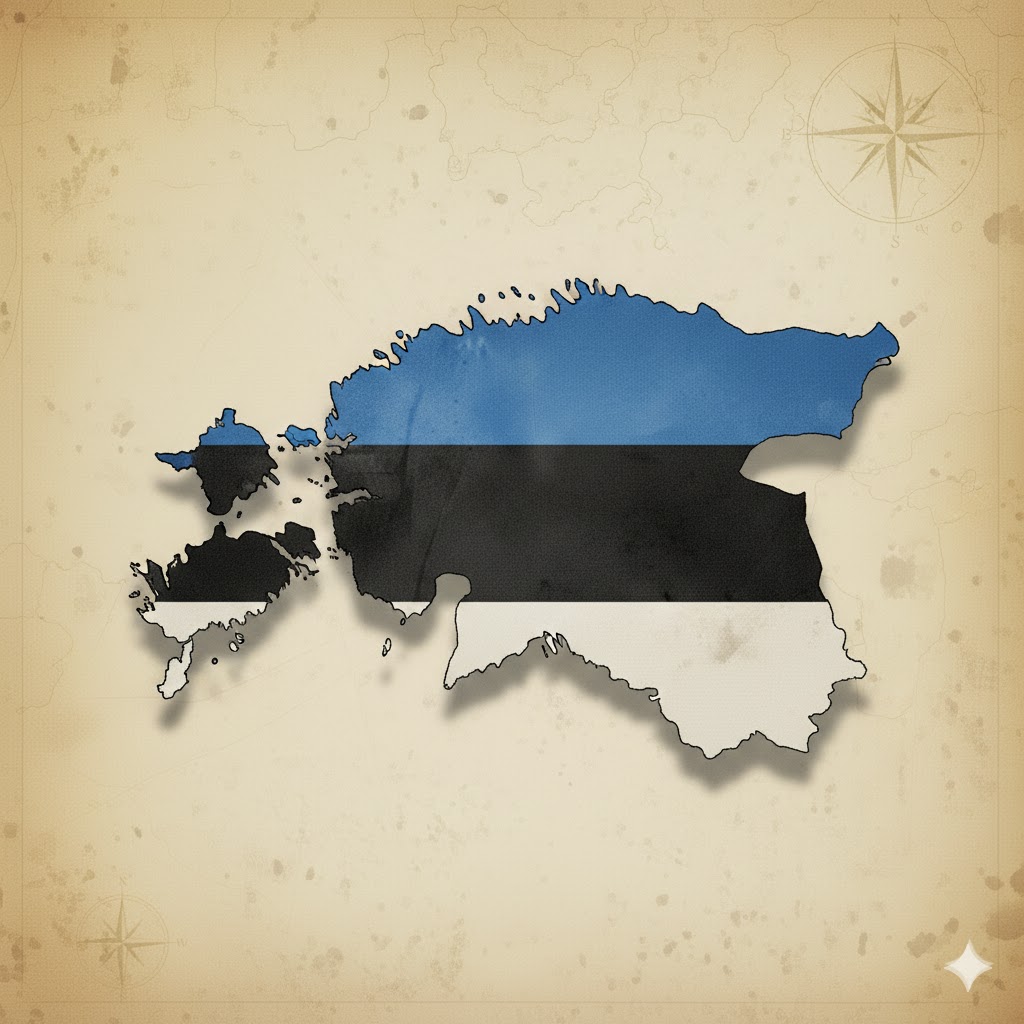
Découvrez la riche histoire, l'art et les traditions de Estonie
L'Estonie est le pays balte le plus septentrional, une nation qui associe une charmante vieille ville médiévale dans sa capitale, Tallinn, à l'une des sociétés les plus avancées au monde en matière numérique. Plus de 50 % de son territoire est couvert de forêts, parsemé de marécages mystiques et bordé par un littoral accidenté comptant plus de 2 000 îles.
L'une des expériences les plus uniques de l'Estonie consiste à se promener dans ses marais mystiques, en particulier au lever ou au coucher du soleil. Les parcs nationaux tels que Lahemaa ou Soomaa disposent de passerelles en bois qui vous permettent d'entrer dans ce paysage d'un autre monde, plein de lacs sombres, de pins tordus et d'un silence étrange. Pour une immersion totale, vous pourrez vous essayer aux balades en raquettes dans les marais.
Le sauna est un élément essentiel de la culture estonienne. L'expérience la plus authentique est le sauna à fumée («suitsusaun»), une tradition de la région de Võromaa, classée au patrimoine mondial. C'est un rituel qui dure plusieurs heures, mêlant la chaleur, l'arôme du bois brûlé, l'utilisation de branches de bouleau (« viht ») pour stimuler la peau et, pour les plus courageux, un dernier plongeon dans un lac gelé.
Classée au patrimoine mondial de l'UNESCO, la vieille ville de Tallinn est l'une des mieux préservées d'Europe. Escalader la colline de Toompea pour admirer des vues panoramiques, découvrir des cours cachées, admirer la place de l'hôtel de ville et se promener le long de ses imposants murs, c'est comme remonter le temps jusqu'à l'époque de la Ligue hanséatique.
L'Estonie offre plusieurs fenêtres sur son passé soviétique. À Tallinn, l'hôtel Viru abrite au 23e étage un musée du KGB, d'où l'agence espionnait les clients. L'ancienne prison de Patarei, située en bord de mer, est un lieu sombre et puissant. Dans la ville frontalière de Narva, l'architecture soviétique contraste avec une imposante forteresse face à la Russie.
Explorer les plus grandes îles d'Estonie, Saaremaa et Hiiumaa, c'est découvrir un rythme de vie plus lent et plus traditionnel. Ici vous pouvez trouver des moulins à vent, des phares historiques, des maisons au toit de chaume, le cratère de météorite Kaali et l'imposant château épiscopal de Kuressaare.
Visiter l'Auditorium du Festival de la chanson de Tallinn (« Lauluväljak ») est essentiel pour comprendre l'esprit estonien. C'est ici que des centaines de milliers de personnes se sont rassemblées pour chanter des chants patriotiques, dans un acte de résistance pacifique qui a été essentiel pour retrouver l'indépendance de l'Union soviétique.
Découvrez le guide complet avec l'histoire, les itinéraires détaillés, les conseils pratiques et toutes les informations dont vous avez besoin.
Voir le guide completL'Estonie est une société hautement numérique. Le Wi-Fi public est omniprésent et de haute qualité. De nombreuses transactions s'effectuent sans espèces. Il est utile d'avoir des applications de transport et de paiement sur votre mobile.
Le réseau de bus est moderne, confortable et constitue le meilleur moyen de voyager entre les villes. Les trains sont également une bonne option pour certains itinéraires. Pour rejoindre les îles, il existe des services réguliers de ferry.
La langue officielle est l'estonien, une langue finno-ougrienne. L'anglais est largement parlé, notamment par les jeunes et dans le secteur du tourisme. De nombreuses personnes parlent également le russe et le finnois.
TripMatches · Se souvenir · Planifier
Êtes-vous déjà allé à Estonie ou aimeriez-vous encore y aller ? Choisissez et nous vous menons directement à l'action.
Importez votre voyage à Estonie et gardez ce que vous avez vécu.
Importer un voyageEnregistrez Estonie dans vos destinations ou commencez un nouveau plan.
Accédez à la fiche complète : attractions, météo, gastronomie, événements et plus encore.
Découvrir cette destination en profondeur