

Explora la cultura de bali: Tradición viva
Sumérgete en la rica historia y cultura de bali a través de sus museos y monumentos.
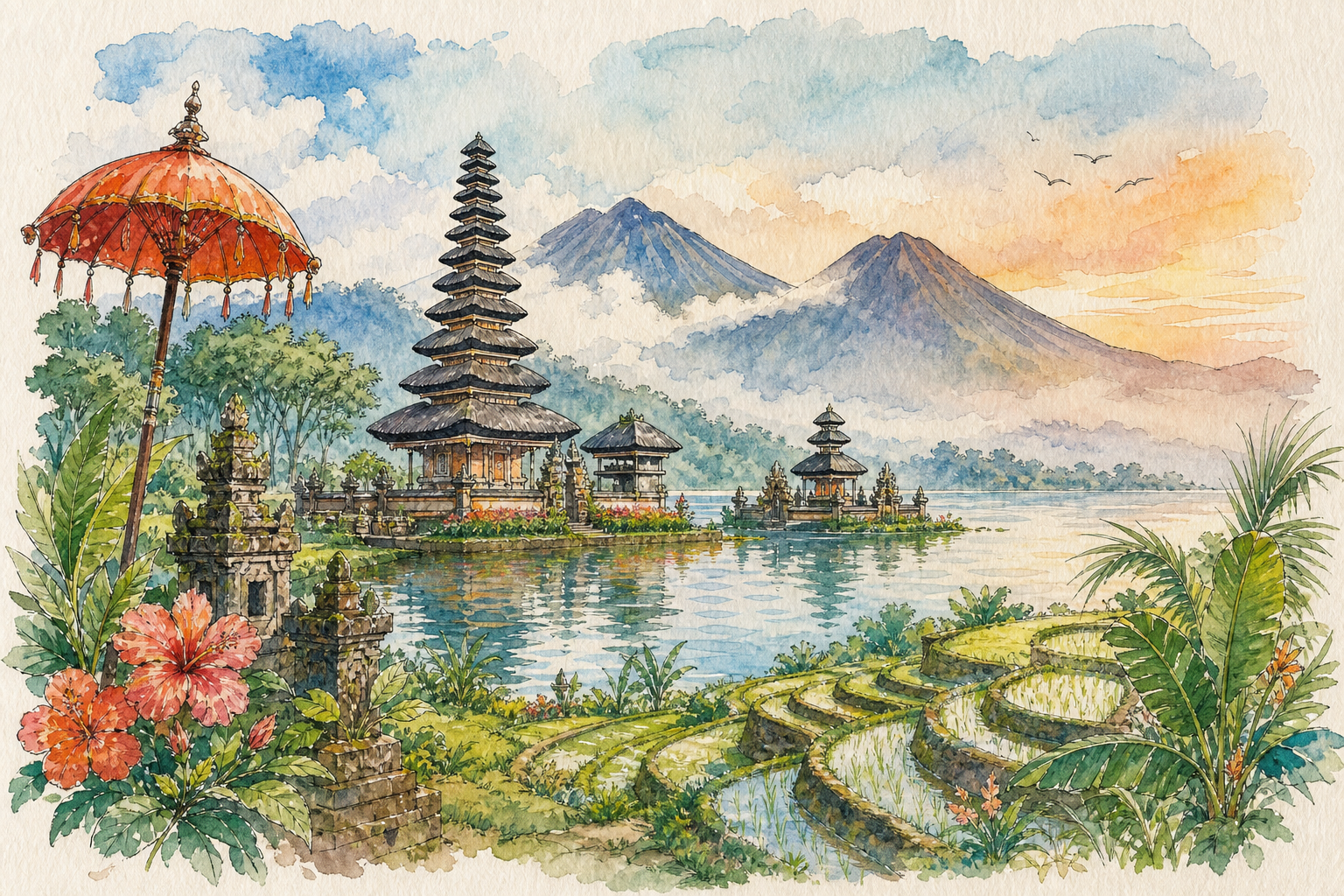
Bali is an island and province of Indonesia located in Southeast Asia, forming part of the Lesser Sunda Islands. Located between the islands of Java to the west and Lombok to the east, Bali extends approximately 140 km from east to west and 90 km from north to south, with an area of nearly 5,000 km². Its geographical position places it about eight degrees south of the equator, which gives it a warm and humid tropical climate all year round. The island is famous for its rich Balinese Hindu culture, ancient temples, volcanic landscapes dominated by Mount Agung, and lush nature that includes beaches, jungles, and terraced rice paddies. Bali is a world-renowned tourist destination for its unique combination of spirituality, nature and recreational activities such as surfing, yoga and diving. Bali's population is around 4.3 million, concentrated mainly in urban areas such as Denpasar, the capital. The island also includes several nearby smaller islands such as Nusa Penida, Nusa Lembongan and Nusa Ceningan, which complement its tourist attraction. Its importance lies in being a cultural and spiritual center of Indonesia, as well as an economic engine based on tourism, agriculture and local crafts.
Tickets and monuments in bali
Check availability and pricesTripMatches · Remember · Plan
What do you want to do with bali?
Been to bali or still want to go? Pick one and we'll take you straight to it.

Culture & Heritage
Discover the rich history, art and traditions of bali
Bali is a vibrant cultural center with traditional dance, music and art.
Best of local culture
Museums & Galleries
Ubud
The cultural capital of Bali, known for its arts, traditional dances and rice fields.
Festivals & Events
Nyepi (Day of Silence)
March (according to the Balinese Saka calendar)Hindu festival marking the Balinese New Year. The day before (Pengerupukan) there are parades of Ogoh-Ogoh (demon statues) through the streets, accompanied by music and fireworks. During Nyepi, the island remains completely silent: there is no traffic, no outdoor activities, and no use of lights. Even the airport closes. It is a day of reflection and spiritual purification.
Galungan and Kuningan
April–May (variable dates according to the Balinese calendar)Galungan celebrates the victory of good over evil and the visit of the ancestors to the earth. The streets are decorated with penjor (bamboo decorated with offerings). Ten days later, Kuningan marks the end of the festival with ceremonies at temples such as Sakenan. Families gather, make offerings and participate in rituals.
Pesta Kesenian Bali (Bali Arts Festival)
June–JulyMonth-long cultural festival showcasing traditional Balinese dance, music, theater and visual arts. It includes parades, village competitions and a variety of performances in Denpasar. There is also a food fair with regional specialties such as sate lilit, lawar and babi guling.
History

Origins
The first inhabitants of Bali arrived thousands of years ago, with archaeological evidence showing human settlements since the Neolithic. The island was influenced by Hindu and Buddhist civilizations from India and Java, establishing Balinese kingdoms that developed a unique culture based on Balinese Hinduism. Bali was an important religious and cultural center in the region, with temples and traditions that still exist.
Development
During the Middle Ages, Bali maintained its independence from Islamic expansion in Indonesia, preserving its Hindu religion and traditions. In the 16th and 17th centuries, the island experienced conflicts internally and with European colonial powers, especially with the Dutch who eventually incorporated it into the Dutch colonial Empire in the 19th century. During this period, Bali maintained its traditional social and cultural structure, although with external influences.
Modern era
In the 20th century, Bali was fully integrated into the Republic of Indonesia following its independence in 1945. Since then, it has experienced accelerated tourism growth, becoming one of the most important destinations in the world. In recent decades, Bali has developed modern infrastructure, although it retains its cultural and spiritual essence. Recent events include the promotion of sustainable tourism and the protection of its natural and cultural heritage against tourist overcrowding.
Ratings
Scores by category
Culture
Bali is a vibrant cultural center with traditional dance, music and art.
Heritage
Bali has a rich cultural and religious history, with numerous temples and historical sites.
Architecture
Bali is known for its traditional Balinese architecture, with temples and historical monuments.
Want to know more about bali?
Discover the full guide with history, detailed itineraries, practical tips and all the information you need.
View full guideTips for Culture & Heritage
Local secrets
Visit lesser-known beaches like Amed or Sidemen for an authentic, less touristy experience.
best moments
Avoid peak season (July-August and December) for fewer crowds and better prices.
Local language
The official language is Indonesian, but Balinese is spoken in Bali. English is common in tourist areas. Learn basic phrases like 'Terima kasih' (thank you).
Local customs
Respect the temples by wearing appropriate clothing (covering shoulders and knees) and follow local guidelines for ceremonies and rituals.
Healthcare system
Bali has private hospitals in tourist areas with adequate care, but quality can vary outside of these areas.
Pharmacies
24-hour pharmacies are available in Denpasar and tourist areas; In rural areas the hours are more limited.
General Security
Bali is generally safe for walking and exploring, but petty theft and scams are common in tourist areas like Kuta. Always keep your valuables in the hotel room and avoid carrying a lot of cash with you.
Areas to avoid
Avoid dimly lit and lonely areas at night, especially in rural areas where security may be less and access to services limited.
TripMatches · Remember · Plan
What do you want to do with bali?
Been to bali or still want to go? Pick one and we'll take you straight to it.
Quick info
Full destination guide
Access the full profile: attractions, weather, gastronomy, events and more.
Discover this destination in depthExplore more nearby
You might also like
Discover bali in a different way
Explore different ways to experience this destination based on your travel style
bali Theme Parks & Rides
Discover theme parks and amusement parks, from legendary roller coasters to immersive worlds and family experiences.
bali Christmas Markets
European Christmas market guides with seasonal dates, activities and practical visit-planning advice.
bali Digital Nomad
Connectivity, living costs and practical conditions for working remotely.
bali Budget
Affordable travel, free activities and smart tips to save money.
bali Romantic
Couples getaways, sunsets, boutique hotels and intimate experiences.
bali Culture & Heritage
Museums, historic monuments, architecture and immersive cultural experiences.