Loading destination...
Loading destination...
Loading destination...
Loading destination...
Loading destination...
Loading destination...
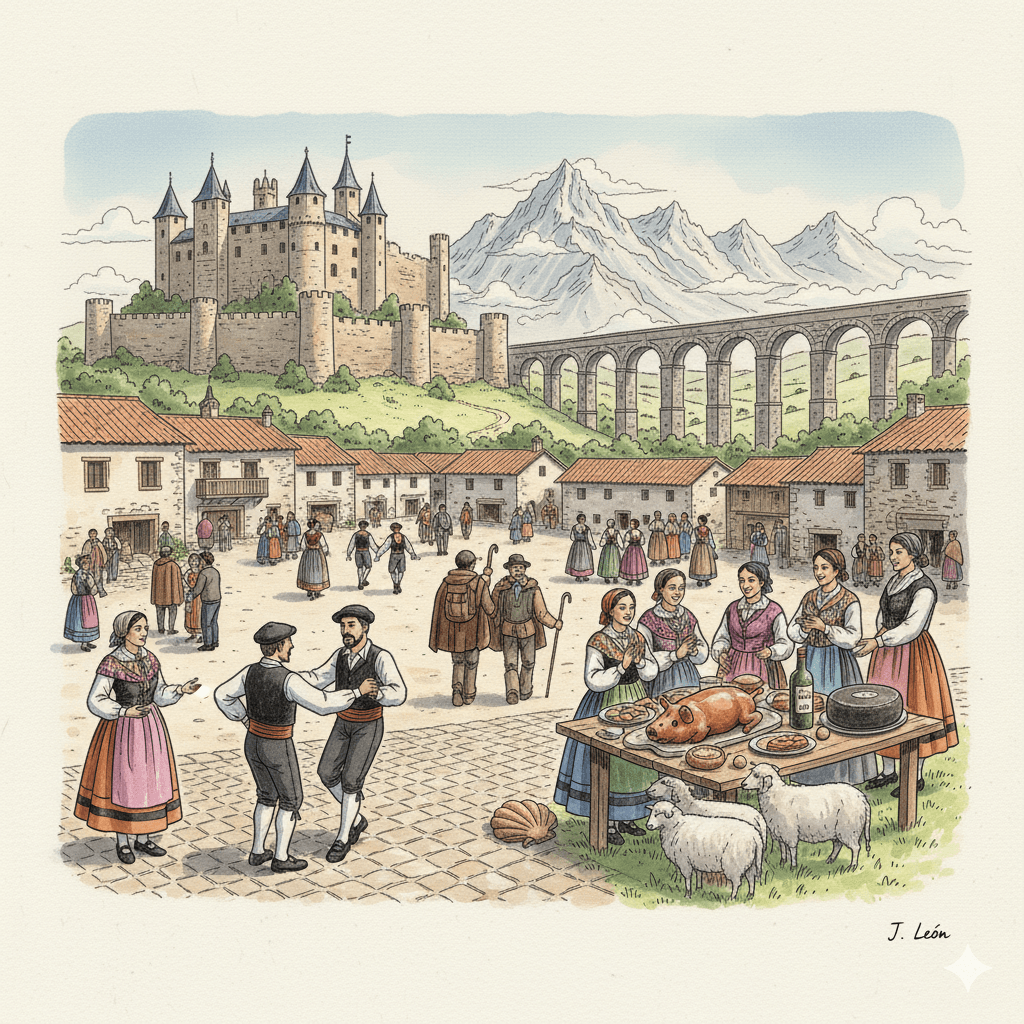
Explora los sabores auténticos de Castile and León en una experiencia gastronómica inolvidable.
Castilla y León is the monumental heart and historical soul of Spain. It is a vast land, carved out of the plateau, where the horizon seems infinite and the sky has a special color. This is the land of the castles that give it its name, of the cathedrals that rise towards the sky like those of Burgos or León, and of the walls that still protect legendary cities like Ávila. It is the cradle of the Spanish language and home to Spain's first university in Salamanca. Its landscape is superb but powerful, from the cereal plains of Tierra de Campos to the summits of the Picos de Europa or the Sierra de Gredos. Visiting Castilla y León is taking a deep journey into the history, art and literature of Spain, while enjoying a strong and honest gastronomy, where Ribera del Duero wine and roast lamb are religion.
TripMatches · Remember · Plan
Been to Castile and León or still want to go? Pick one and we'll take you straight to it.
The gastronomy of Castilla y León is a cuisine of roasts, legumes and stews, robust and honest, based on the excellence of the raw materials. It is the kingdom of lamb and suckling pig roasted in a wood-fired oven and the birthplace of some of the best wines and sausages in Spain.
The star dish. Suckling lamb (that has only suckled) slowly roasted in a wood oven in a clay pot, with only water and salt. The skin is crispy and the meat incredibly tender. Famous in Aranda de Duero and Peñafiel.
The emblem of Segovia. A young suckling pig roasted until the skin is so crispy that it can be cut with the edge of a plate, as tradition dictates. The meat is white and juicy.
A blood sausage made of rice, onion, butter and spices, which is usually fried in slices or used in stews. It is one of the most famous in Spain.
One of the most prestigious Iberian hams with Designation of Origin. Produced in Guijuelo (Salamanca), it is famous for its sweet flavor and not very fibrous texture.
The basis of spoon dishes. Don't miss a good stew of Judiones de La Granja (huge and buttery beans) or Lentils de la Armuña (small and thin).
A humble and comforting soup, made with stale bread, garlic, paprika and ham. A poached egg is often added at the last minute.
A strong delicacy from the El Bierzo region (León). Different pieces of pig meat (rib, tail, backbone) stuffed into the pig's cecum and then smoked and semi-cured. It is cooked and served with potatoes and cabbage.
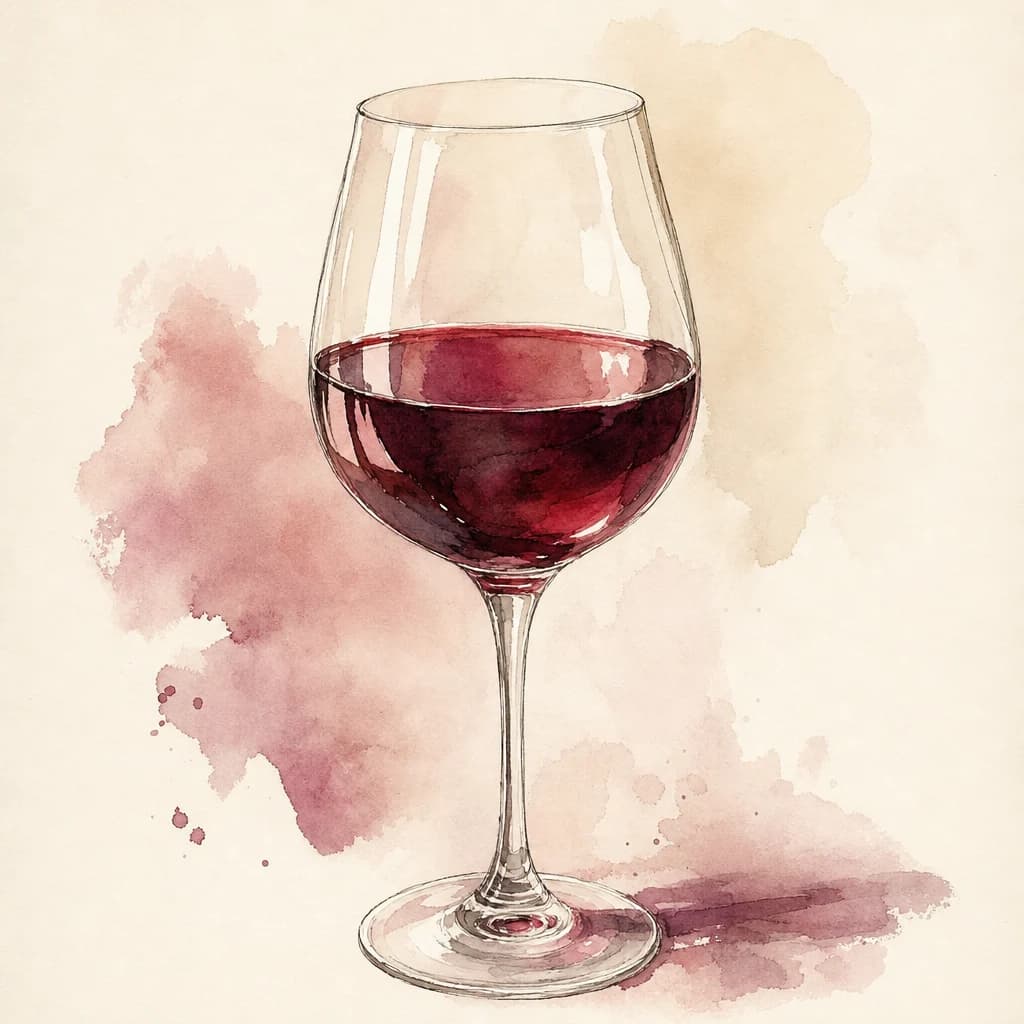
One of the most prestigious designations of origin for red wine in the world. Their wines, made mainly with Tempranillo grapes (Tinta del País), are powerful, structured and of high quality.
Side. of white wine par excellence from the region, famous for its fresh and aromatic wines made with the Verdejo grape. It is one of the most consumed white wines in all of Spain.
It is not a conventional lemonade. It is a traditional drink of Leonese Holy Week, which consists of red wine macerated with lemons, oranges, sugar and cinnamon. It is said that you have to 'kill Jews' by going from bar to bar trying it.
Typical rosé wine from the D.O. Cigales. Traditionally it was made by mixing red and white grapes during fermentation, resulting in a light wine that was very popular in the region.
Discover the full guide with history, detailed itineraries, practical tips and all the information you need.
View full guideThe star dish. Suckling lamb (that has only suckled) slowly roasted in a wood oven in a clay pot, with only water and salt. The skin is crispy and the meat incredibly tender. Famous in Aranda de Duero and Peñafiel.
The emblem of Segovia. A young suckling pig roasted until the skin is so crispy that it can be cut with the edge of a plate, as tradition dictates. The meat is white and juicy.
A blood sausage made of rice, onion, butter and spices, which is usually fried in slices or used in stews. It is one of the most famous in Spain.
One of the most prestigious designations of origin for red wine in the world. Their wines, made mainly with Tempranillo grapes (Tinta del País), are powerful, structured and of high quality.
The most famous sweet in Ávila. Small balls of egg yolk and sugar, with a soft texture and intense flavor.
The climate of the plateau is extreme continental: very cold winters and very hot summers. It is important to wear appropriate clothing for each season. The distances between cities and points of interest can be great, so the car is the most recommended means of transport to explore the region in depth. The gastronomy is overwhelming; Get ready for heavy meals.
TripMatches · Remember · Plan
Been to Castile and León or still want to go? Pick one and we'll take you straight to it.
Access the full profile: attractions, weather, gastronomy, events and more.
Discover this destination in depth