Preparing the experience...
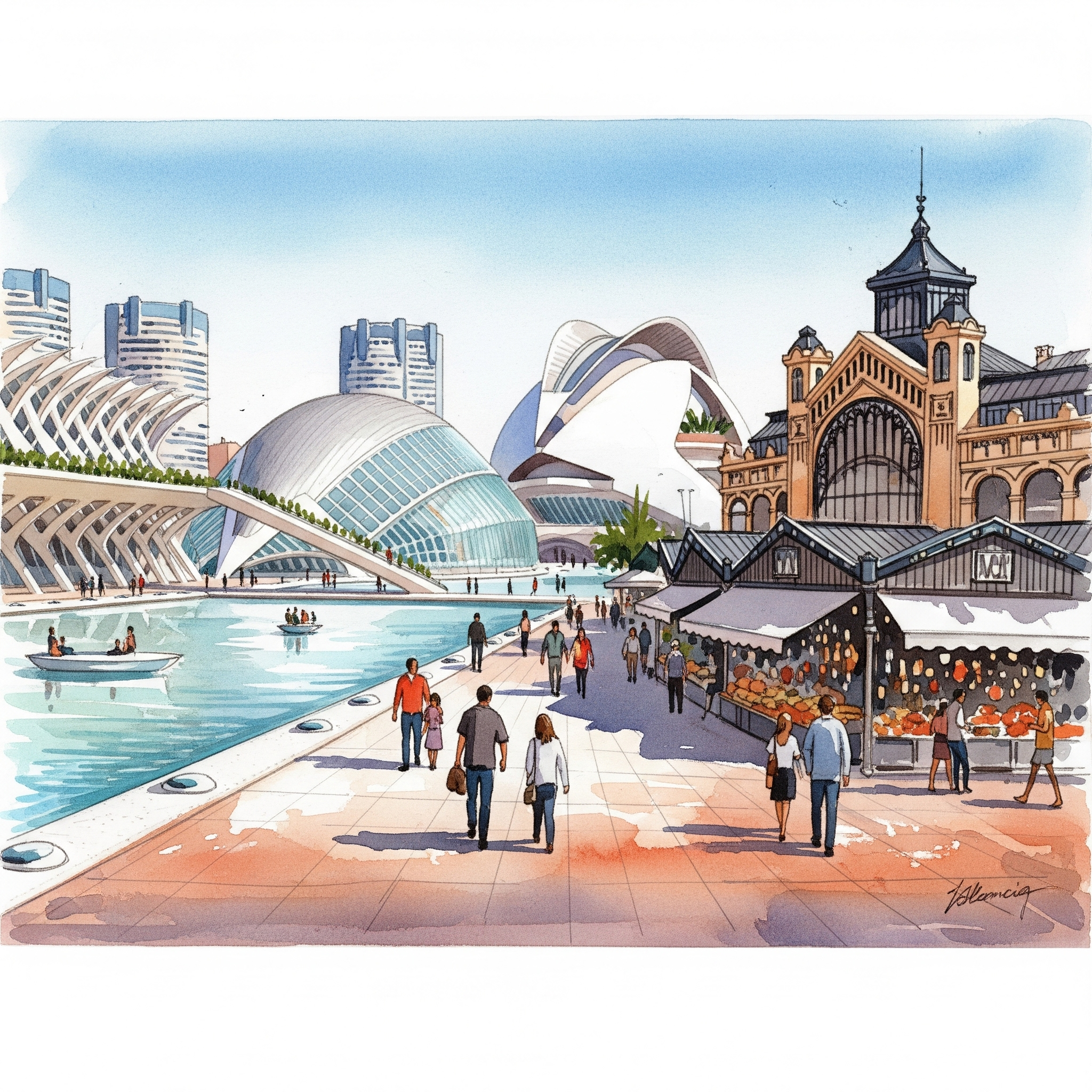
The Valencian Community is the essence of the Levantine Mediterranean, a land bathed in the sun and marked by the imprint of ancient cultures. Its capital, Valencia, is a city that perfectly combines the futuristic avant-garde of the City of Arts and Sciences with the tradition of its historic center and the animation of its Fallas. The region is a tapestry of contrasts: from the endless fine sand beaches and bustling tourist destinations of the Costa Blanca like Benidorm, to the quiet inland towns and rugged mountains of Castellón. It is the birthplace of paella, a place where the orange blossom aroma of its orange groves mixes with the roar of gunpowder at its festivals. Visiting the Valencian Community is immersing yourself in a happy, bright and deeply Mediterranean culture.
Descubre las ciudades más fascinantes de Valencian Community

Valencia estará disponible próximamente con información completa y detallada.

Alicante estará disponible próximamente con información completa y detallada.
Castellón de la Plana estará disponible próximamente con información completa y detallada.

Elche estará disponible próximamente con información completa y detallada.

Benidorm estará disponible próximamente con información completa y detallada.
The festivals in the Valencian Community are synonymous with fire, gunpowder, music and street art. They are spectacular celebrations that involve the entire population.
From March 15 to 19.
World Heritage Site. One of the most spectacular parties in the world. Gigantic satirical papier-mâché monuments ('fallas') fill the streets. Every day at 2:00 p.m. the 'mascletà' (a gunpowder earthquake) is celebrated and everything culminates in the 'Cremà', the burning of the monuments.
From June 20 to 24.
The great festival of Alicante, sister of the Fallas. Monuments of papier-mâché ('bonfires') are built that are also burned on the night of San Juan. The 'mascletàs' and fireworks on the beach are impressive.
April (Alcoy) and July (Villajoyosa).
The most widespread festival in the province of Alicante. Spectacular parades that recreate the battles between Moors and Christians. In Villajoyosa the 'Desembarco' stands out, a naval battle on the beach at dawn.
Last Wednesday in August.
The most famous tomato 'war' in the world. Thousands of people from all over the planet throw tons of ripe tomatoes at each other in a festive and peaceful hour-long battle.
July.
One of the most important indie, pop, rock and electronic music festivals in Europe, which attracts great international bands and thousands of 'fibers' to the coast of Castellón.
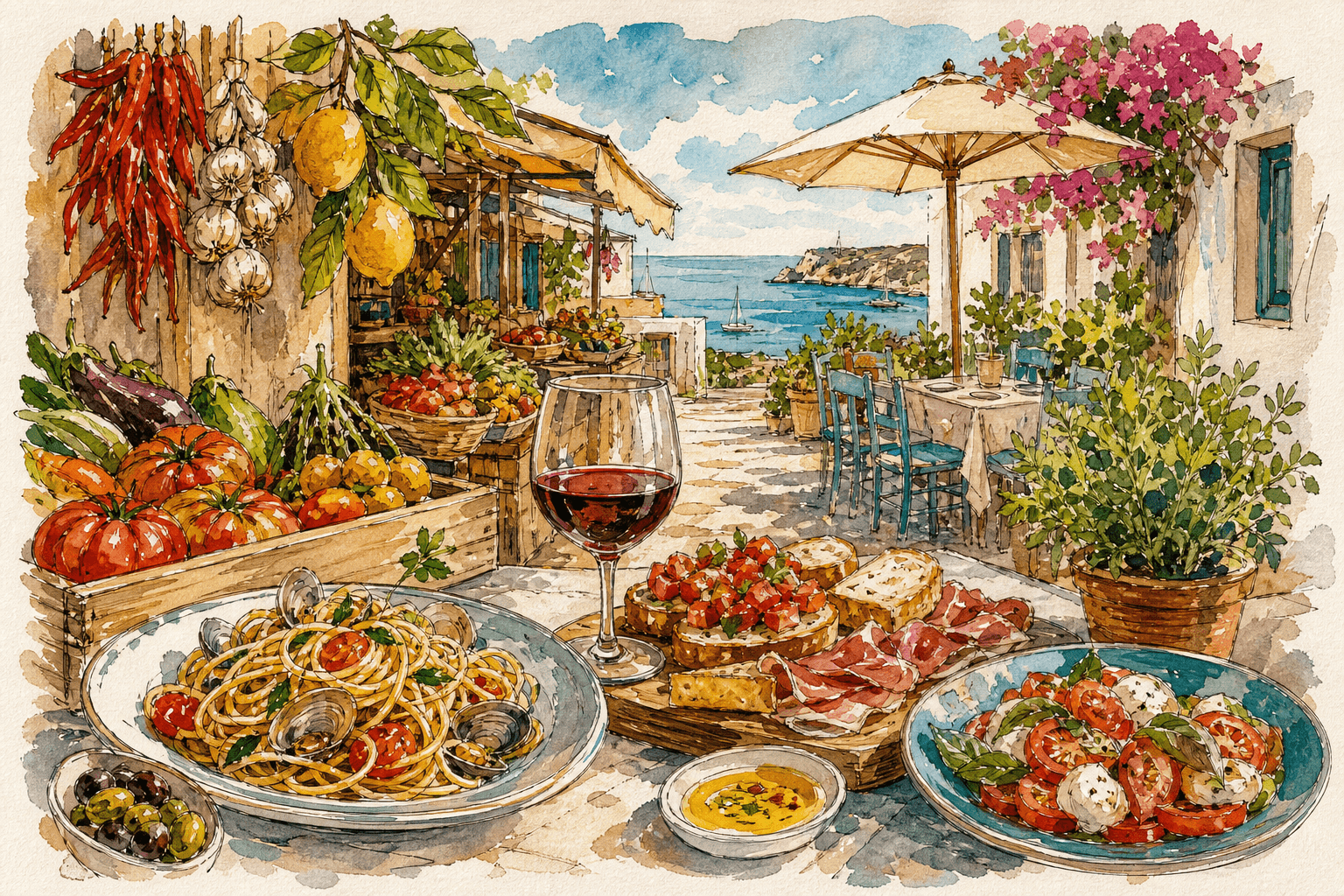
Valencian cuisine is the maximum expression of the Mediterranean diet. It is the birthplace of rice in Spain, with an infinite number of recipes that go beyond paella, and its fertile garden provides vegetables and fruits of exceptional quality.
The authentic and original recipe. A dry rice cooked in a paella over a wood fire. It has chicken, rabbit, broad green beans ('ferraura'), garrofon and, sometimes, snails. The 'socarrat' (the toasted rice at the bottom) is the most coveted part.
Two other rice gems. 'Arroz a banda' is cooked with a tasty fish broth, and is so called because traditionally the fish was served 'apart' (a banda). The 'senyoret rice' (of the young man) has the seafood already peeled, ready to eat without getting dirty.
Originally from Gandia. Similar to seafood paella, but replacing the rice with thick noodles that are browned until they stand on end. It is usually accompanied by aioli.
A typical appetizer. A salad of roasted red pepper in strips ('esgarrat' means torn), crumbled salted cod, garlic and olive oil.
A traditional stew from the Albufera area. It is made with eels, garlic, paprika and chilli, resulting in a thick and powerful sauce, ideal for dipping bread.
The local version of stew, a hearty and tasty spoon dish with legumes, vegetables, blood sausage, chorizo and meat.
The most emblematic non-alcoholic drink of the region. It is a sweet and refreshing vegetable drink, made with tiger nuts, water and sugar. It is served very cold, often accompanied by 'fartons'.
A famous and powerful cocktail created in Valencia. Combine fresh orange juice, cava, vodka and gin. It is served very cold in jugs and drunk in cocktail glasses.
A typical herbal liqueur from the Sierra de Mariola, in Alicante. It is made by macerating a selection of wild herbs in anise, which gives it an intense flavor and aroma. It can be dry or sweet.
A traditional sweet liqueur wine, made by adding alcohol to Muscat grape must to stop fermentation. The result is a sweet and aromatic drink, perfect to accompany desserts.
The refreshing drink par excellence of Valencia. Made from tiger nuts, water and sugar. It is traditionally accompanied by 'fartons', long, spongy buns perfect for dipping.
The most famous nougats in Spain. The one from Jijona (soft) is a dough of ground almonds and honey, while the one from Alicante (hard) has whole almonds. Its production is concentrated in the province of Alicante.
A homemade, spongy and very popular cake, which takes its name from the tin tray ('llanda') in which it is baked. It is often topped with sugar and cinnamon.
The typical sweet of the Fallas. Hot, fluffy fritters made with pumpkin in their dough, sold at street stalls and enjoyed with sugar or hot chocolate.
A masterpiece of Valencian civil Gothic, a symbol of the city's commercial power in the Golden Age.
The largest palm grove in Europe, an oasis landscape inherited from the Andalusian culture.
A set of prehistoric sites spread throughout the community, with paintings of exceptional value.
Intangible Cultural Heritage. A party that combines art, satire, music and gunpowder, and that involves the entire city.
Intangible Cultural Heritage. The oldest judicial institution in Europe, which meets every Thursday at the doors of the Valencia Cathedral to resolve disputes over irrigation.
Spring (March-June) is ideal, with pleasant temperatures and the explosion of big festivals such as Fallas and Bonfires. Summer is perfect for enjoying the coast, although it can be very hot and humid. Autumn is an excellent time to visit cities and enjoy gastronomy. Winter is mild, ideal for city breaks without crowds.
In summer, especially on the Costa Blanca, tourist occupancy is very high, so it is essential to book in advance. During the Fallas, Valencia is transformed and the center is practically pedestrian; Getting around by public transportation is the best option. Be careful with the sun, even outside the summer months it can be strong.
TripMatches
Find companions with the same dates and interests. Free.
Cities, day trips, and practical tips for the area

World Heritage Site. One of the most spectacular parties in the world. Gigantic satirical papier-mâché monuments ('falla

The great festival of Alicante, sister of the Fallas. Monuments of papier-mâché ('bonfires') are built that are also bur

The most widespread festival in the province of Alicante. Spectacular parades that recreate the battles between Moors an

The most famous tomato 'war' in the world. Thousands of people from all over the planet throw tons of ripe tomatoes at e

One of the most important indie, pop, rock and electronic music festivals in Europe, which attracts great international

92
88
84Key stops for your route through the area
Sibling areas to compare or combine
Coasts, cities, and areas to extend the trip
RankingTop Spanish cities by overall TripMatches score.
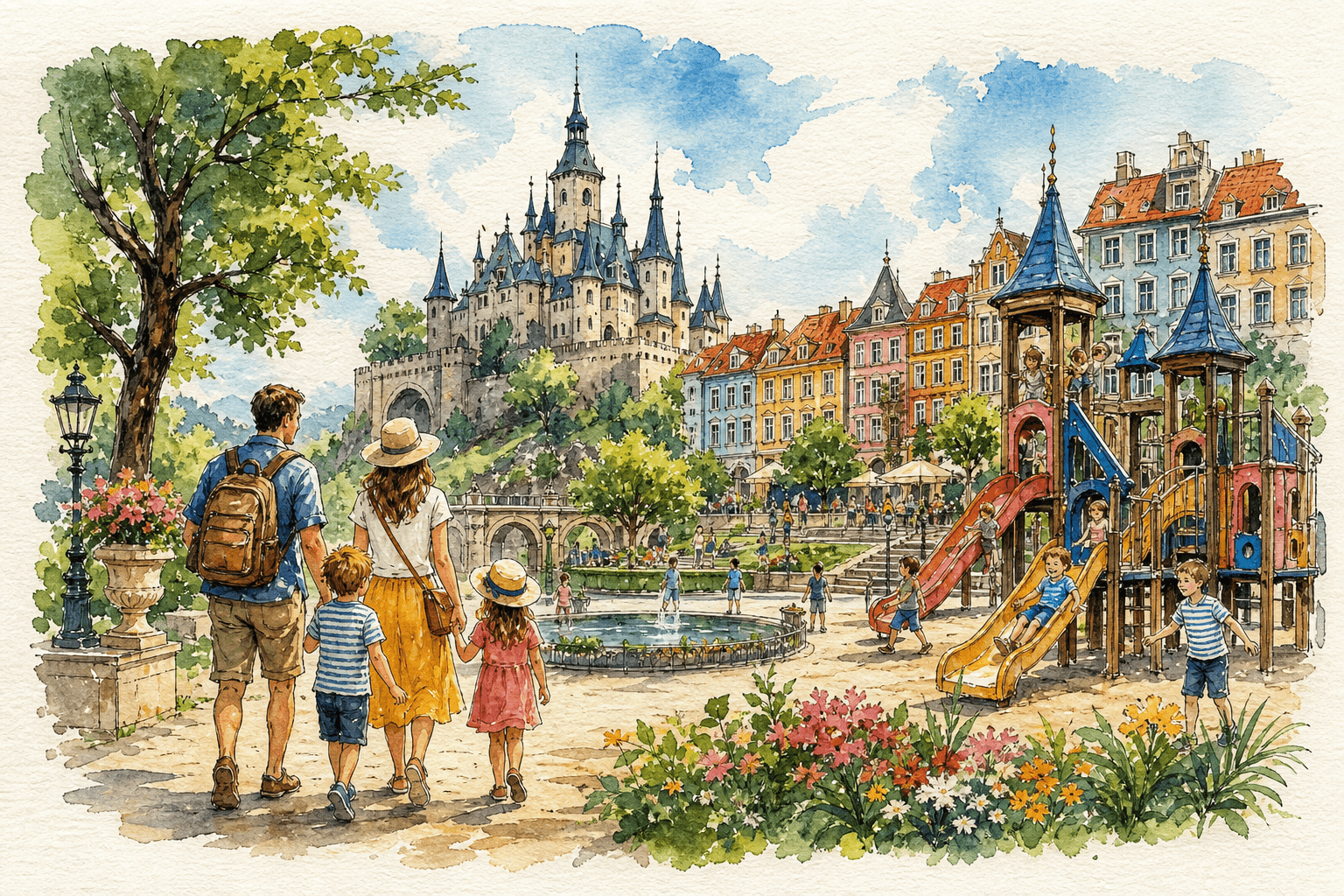
RankingRanked by TripMatches family-friendly score: safety, pace, and kid-friendly activities.
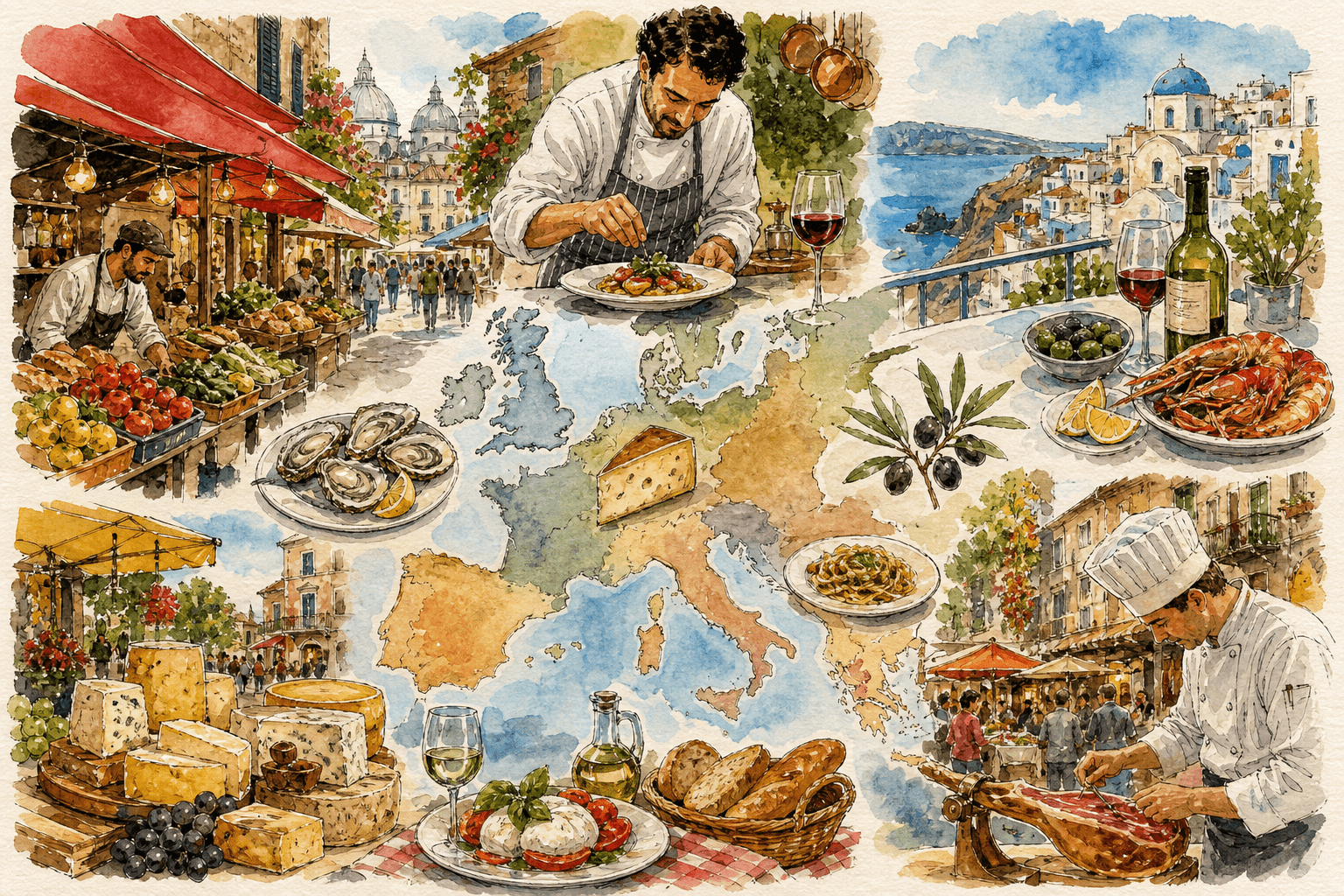
RankingCities with the strongest food scenes by TripMatches scores.
RankingDestinations with the highest TripMatches safety scores.
Travel type
Travel typeRegister to unlock Match Finder, saved destinations, and trip plans for Valencian Community.
We refresh this guide with geographic and community data so you can discover with confidence.
Start planning your perfect trip to this amazing region