Preparing the experience...
The Balearic Islands are a dream archipelago in the heart of the Mediterranean, where each island has a different soul. Mallorca, the largest, is a miniature continent that combines the majesty of the Tramuntana Mountains with family-friendly beaches and a capital, Palma, full of life and history. Menorca, the Biosphere Reserve, is a haven of peace with virgin coves and a protected rural landscape. Ibiza is the world epicenter of electronic music and nightlife, but it also hides charming towns and a bohemian interior. And Formentera, the little sister, is Europe's Caribbean paradise, accessible only by sea, with white sand beaches and unreal blue waters. The Balearic Islands are a destination of contrasts, where you can find everything from the most exclusive party to the most absolute silence.
Descubre las ciudades más fascinantes de Balearic Islands

Palma estará disponible próximamente con información completa y detallada.
Ibiza Town estará disponible próximamente con información completa y detallada.
Mahón estará disponible próximamente con información completa y detallada.
Ciutadella estará disponible próximamente con información completa y detallada.
The festivals in the Balearic Islands combine ancient traditions, especially linked to horses and fire, with the most modern and famous festivals on the planet.
June 23 and 24.
The most emblematic festival of the Balearic Islands. The Menorcan breed horses and their riders ('caixers') are the protagonists, entering the town square and jumping through the crowd ('jaleo'). An explosion of tradition and emotion.
May/June (Openings) and September/October (Closings).
The most famous clubs in the world (Ushuaïa, Hï Ibiza, Pacha, Amnesia) mark the beginning and end of the summer season with legendary parties that attract the best DJs and thousands of people from all over the globe.
May (Sóller) and August (Pollença).
Spectacular mock battles that commemorate the historical fights against the Saracen pirates. The streets are filled with people dressed in period clothing, the sound of blunderbusses and an incredible festive atmosphere.
Eve of Sant Joan (June 23) and Sant Antoni (January 16).
A magical night in many towns, especially in Mallorca. Bonfires are lit and the 'correfocs' with their 'dimonis' (devils) take to the streets in a spectacle of fire, music and dance.
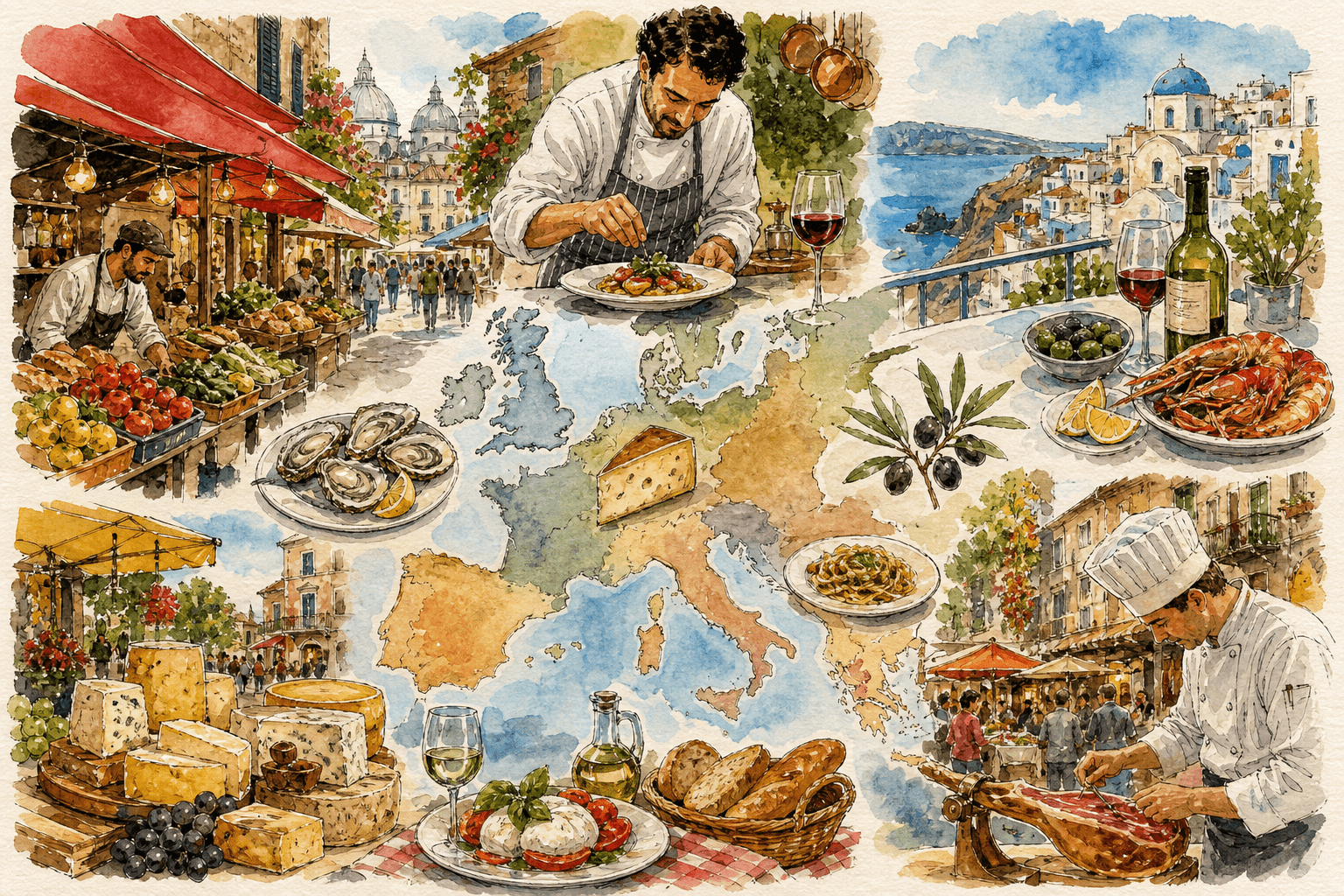
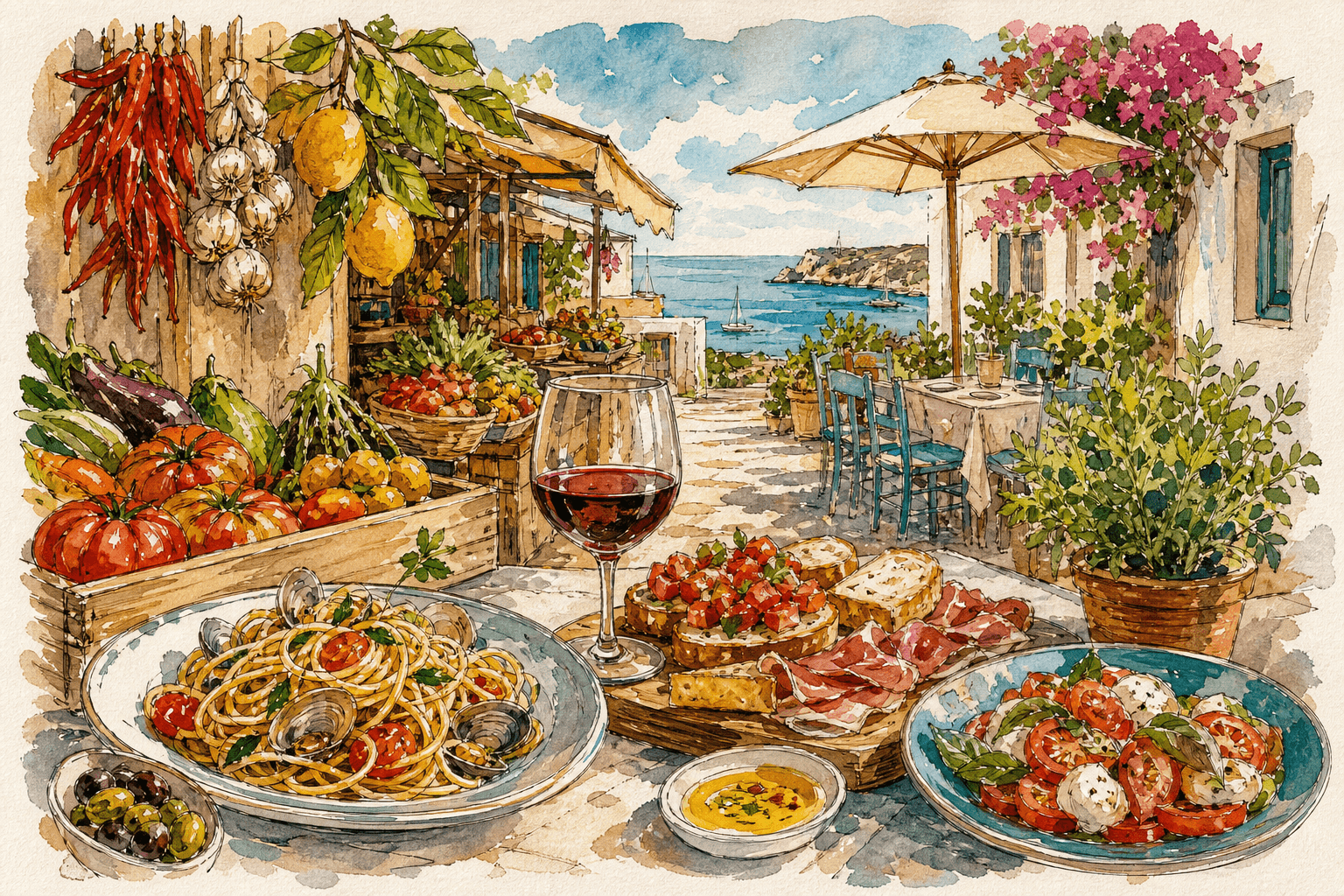
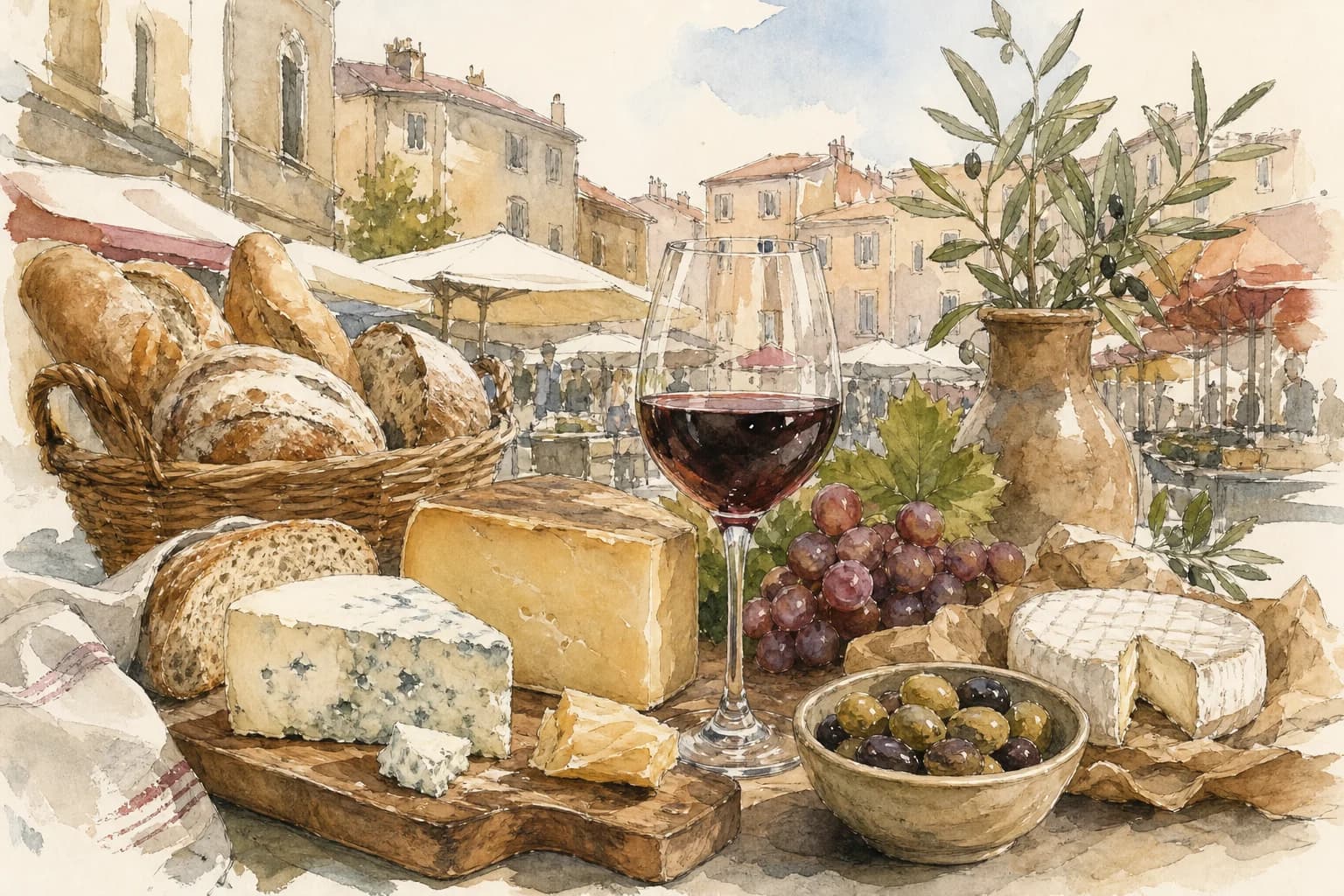
Balearic cuisine is the essence of the Mediterranean. It is a product cuisine, marked by seasonality, with simple but tasty recipes that take advantage of the best of the garden, the countryside and, of course, the sea.
A raw cured pork sausage, seasoned with paprika, which gives it its characteristic red color. It is consumed spread on bread, fried or as an ingredient in many dishes.
The luxury dish of Menorca. A soupy and flavorful lobster stew, traditionally served in a clay pot. An authentic seafaring delicacy.
A traditional and filling dish. A frying of meat (usually lamb) and offal, with potatoes, red peppers and fennel. A dish with a lot of history.
The Mallorcan version of ratatouille or ratatouille. A vegetarian dish made of layers of fried potato, eggplant and red pepper, all covered with tomato sauce.
Literally 'dirty rice'. A soupy and spicy rice made with game meat, mushrooms and seasonal vegetables. An interior dish, tasty and powerful.
The most authentic dish in Ibiza. It is served in two parts: first the fish (usually rock) boiled with potatoes and covered with a soft aioli, and then the banda rice cooked with the fish broth.
The emblematic liquor of Ibiza, made from the distillation of various aromatic plants and herbs such as anise, thyme and rosemary. It is taken cold as a digestive after meals.
The drink par excellence of the Menorcan festivities. It is a refreshing and simple mix of local gin (Gin Xoriguer) with lemonade, served very cold. Essential in the Sant Joan celebrations.
A dark and dense liquor with a characteristic bitter and sweet flavor. It is made with cinchona and gentian and is usually taken as an aperitif, alone or with a siphon, to whet your appetite.
The islands have several designations of origin, producing quality red and white wines from local varieties such as Manto Negro or Moll. The Binissalem wineries in Mallorca are the most recognized.
Another traditional liquor from Ibiza, made with the flowers and leaves of thyme. It is sweeter and more aromatic than herbs, and is consumed as a digestive.
An artisanal gin from Mahón (Menorca) with Designation of Origin. It is distilled in copper stills with a traditional method and is the base of the famous Pomada.
The most iconic sweet in Mallorca. A sweet, fermented, flaky pastry baked in a spiral shape. It can be 'plain' (without filling) or filled with angel hair, cream or sobrasada.
An Ibizan dessert. Similar to a pudding, it is made with the ensaimadas from the previous day, milk, eggs, sugar and cinnamon.
Small sweets from Menorca in the shape of a five-petal flower, made with butter, sugar and egg yolk. They melt in your mouth.
Some spongy and light buns made with boiled potatoes instead of flour, typical of the town of Valldemossa. Ideal for a snack with hot chocolate.
A spectacular landscape where nature and human action have coexisted in harmony for centuries, with cultivation terraces, water management systems and dry stone towns.
A double recognition that includes the fortified enclosure of Dalt Vila, the Punic necropolis of Puig des Molins, the Phoenician town of Sa Caleta and the Posidonia Oceanica meadows, vital for the marine ecosystem.
The entire island was declared a Biosphere Reserve for its exceptional balance between human activities and the conservation of a unique natural and landscape heritage.
Intangible Cultural Heritage. A Gregorian chant of medieval origin that is performed in the churches of Mallorca during the Midnight Mass on Christmas Eve. A solemn and overwhelming moment.
Late spring (May-June) and end of summer (September) are the best times, with perfect temperatures, fewer crowds and the sea at a comfortable temperature. July and August are peak season, ideal for those looking for maximum entertainment, but with higher prices. Autumn and winter are perfect for hiking, cycling and enjoying the islands in absolute calm and at much lower prices.
During the summer, it is essential to book accommodation, rental cars and even restaurants well in advance, especially in Ibiza and Formentera. The roads in the Sierra de Tramuntana are narrow and with many curves, drive with caution. In Ibiza, the cost of tickets to clubs and drinks can be very high. Find out before. An 'Ecotasa' or sustainable tourism tax is applied per night and person in the accommodation.
TripMatches
Find companions with the same dates and interests. Free.
Cities, day trips, and practical tips for the area

The most emblematic festival of the Balearic Islands. The Menorcan breed horses and their riders ('caixers') are the pro

The most famous clubs in the world (Ushuaïa, Hï Ibiza, Pacha, Amnesia) mark the beginning and end of the summer season w

Spectacular mock battles that commemorate the historical fights against the Saracen pirates. The streets are filled with

A magical night in many towns, especially in Mallorca. Bonfires are lit and the 'correfocs' with their 'dimonis' (devils

90
82
80
75Key stops for your route through the area
Sibling areas to compare or combine
Coasts, cities, and areas to extend the trip
RankingTop Spanish cities by overall TripMatches score.
RankingRanked by TripMatches family-friendly score: safety, pace, and kid-friendly activities.
RankingDestinations with the highest TripMatches safety scores.
RankingCities with the strongest food scenes by TripMatches scores.
RankingCities with the best affordability scores for budget-friendly trips.
Travel type
Travel type
Travel typeRegister to unlock Match Finder, saved destinations, and trip plans for Balearic Islands.
We refresh this guide with geographic and community data so you can discover with confidence.
Start planning your perfect trip to this amazing region